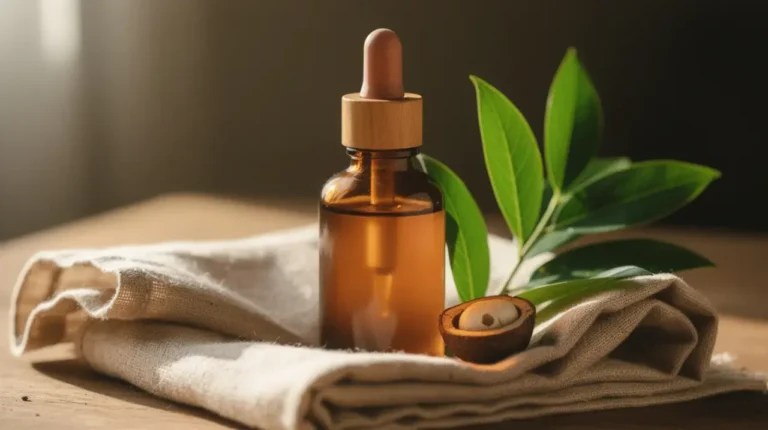
Tremella mushroom skincare benefits: a Balinese counterpoint
Tremella mushroom skincare benefits have become one of the most-searched topics in clean beauty, and for good reason. The white fungus, also called snow mushroom or silver ear, holds an impressive amount of water in its cell walls and has been used in Chinese herbal medicine for centuries. But the way the ingredient is being marketed often skips two important questions: what does your skin actually need to stay hydrated and resilient, and what other botanicals already do the same work, sometimes with deeper tradition and a far lighter footprint?
This is not a takedown of tremella. The science is real, and so is the long tradition behind it. But it is a quiet counterpoint, written from a Balinese workshop where we have spent thirty-five years working with wild-harvested aloe, kukui, illipe, and coconut. The same molecular work tremella does, water-binding, barrier support, antioxidant defense, happens in plants that grow within walking distance of our makers. This guide will explain what tremella truly offers, where the hyaluronic acid comparison breaks down, why sourcing matters more than novelty, and how to think about layering hydrators in a routine that works without flying ingredients halfway around the world.
What tremella mushroom actually does for skin
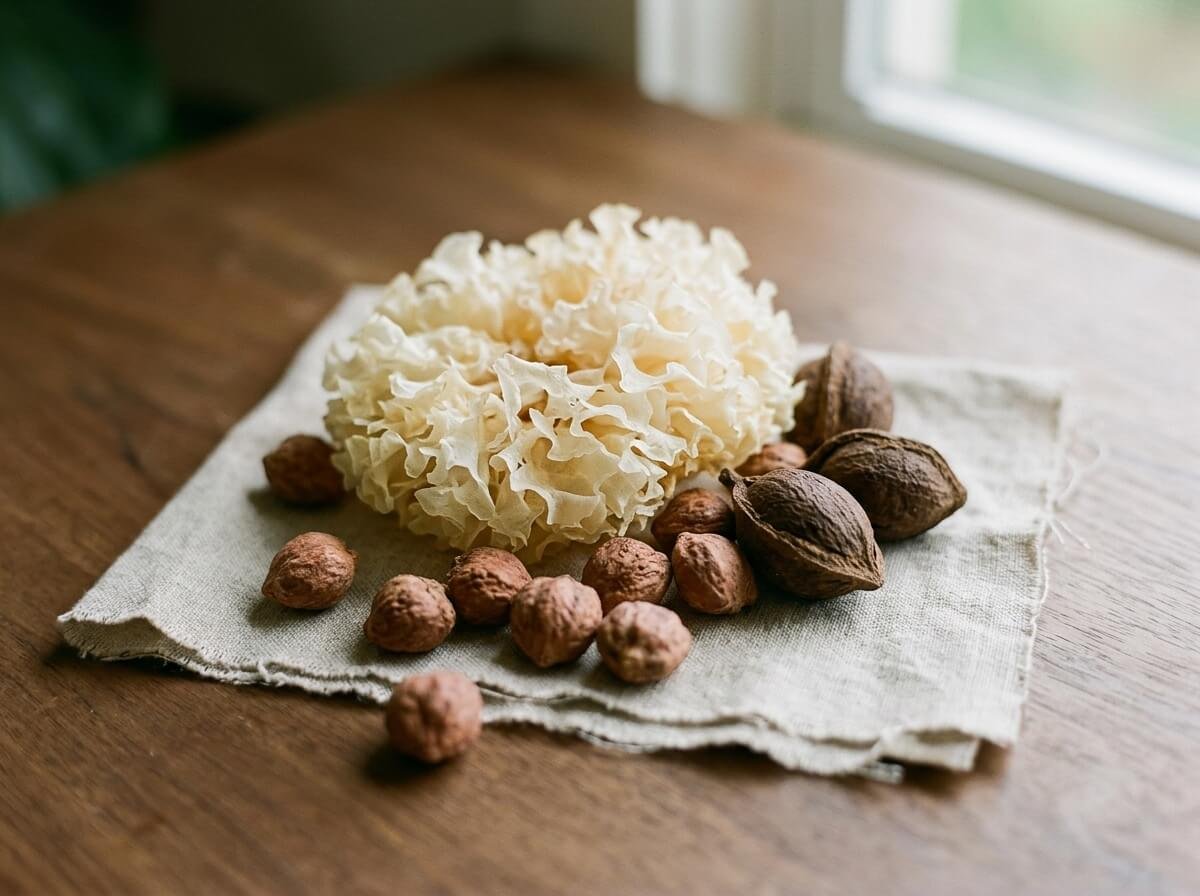
Tremella fuciformis is a gelatinous white fungus that grows on tropical hardwoods. Inside its cells are long-chain polysaccharides, sugar molecules linked together in chains that hold water with remarkable efficiency. A 2023 review in the Journal of Cosmetic Dermatology summarized the topical research and confirmed three reasonable claims: tremella polysaccharides bind water, they support the skin’s antioxidant systems through SOD-like activity, and they help reduce transepidermal water loss when included in a stable formula.
That last point is the real story. The marketing line that tremella holds 500 times its weight in water is technically accurate in a lab dish but misleading on the skin. What actually matters is whether a humectant can hold water in the upper layers of your stratum corneum without pulling moisture from deeper tissue when the air is dry. Tremella does this well. So does aloe vera. So does sodium hyaluronate. So do the polysaccharides in panthenol and beta-glucan.
The antioxidant side is more interesting. Tremella contains compounds that mimic superoxide dismutase, an enzyme your skin already produces to neutralize free radicals. This is meaningful in chronically inflamed or sun-damaged skin. But it is also worth noting that turmeric, sea buckthorn, and several Balinese botanicals offer overlapping antioxidant pathways. Our turmeric in natural skincare guide walks through the curcuminoid story for anyone who wants to compare antioxidant traditions side by side.
So tremella works. It is genuinely effective at what it claims to do. The question is whether it is the only path, or even the best path, for the specific skin in front of you. It is also worth being clear about what tremella does not do. It is not an exfoliant, so it will not address dullness from build-up. It does not regulate sebum, so it will not change how often you break out. It does not replace a barrier-repair routine; if your skin is reactive after a season of retinoids or harsh cleansers, the polysaccharide layer will sit on top of a barrier that still needs ceramides, fatty acids, and time. Read the claims for what they actually are: gentle humectant action with a side of antioxidant support. That is a real benefit, and it is also a narrow one.
Tremella versus hyaluronic acid, and where the comparison breaks down
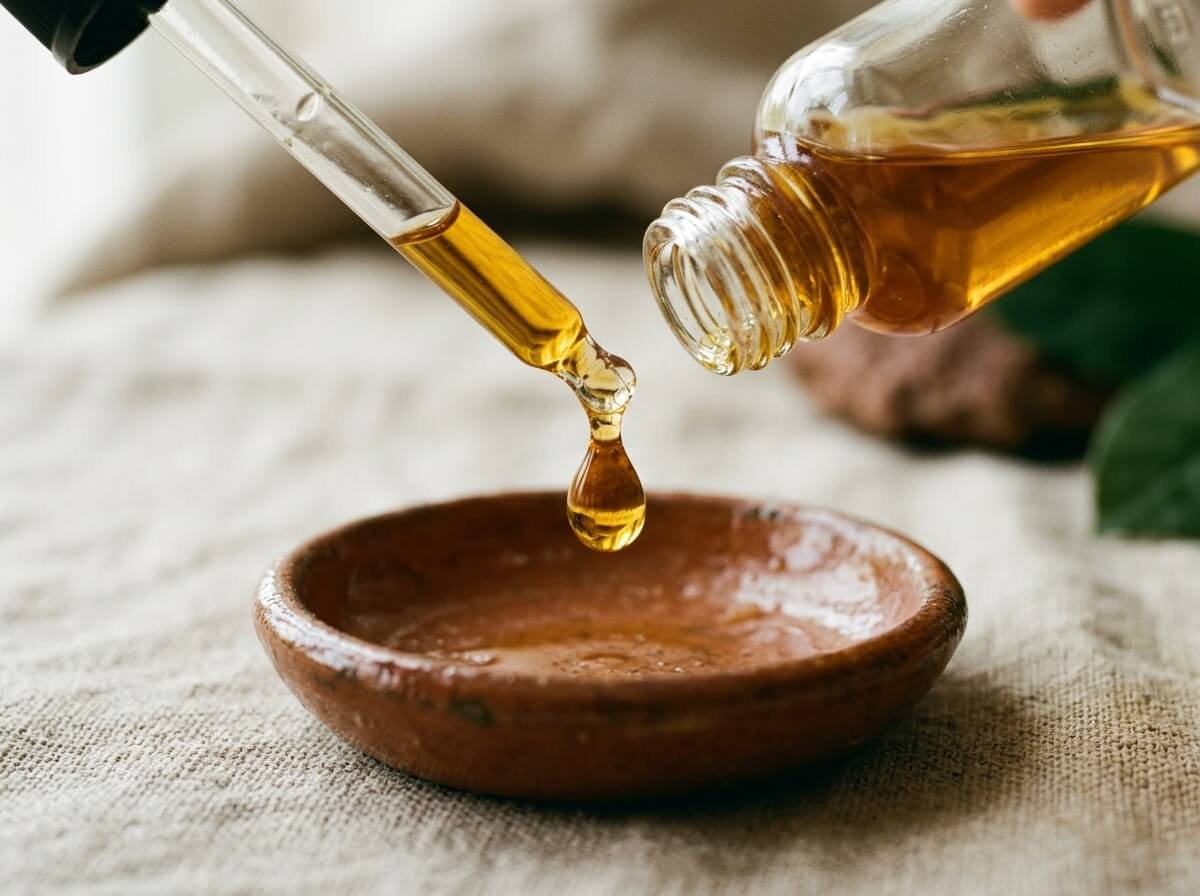
The most-repeated claim in tremella marketing is that its molecules are smaller than hyaluronic acid, so they penetrate the skin more easily. The molecular weight figures cited are usually accurate, in the range of two hundred kilodaltons for tremella polysaccharides compared to over a million for high-molecular-weight hyaluronic acid. On paper, that is a real difference.
In practice, the picture is more complicated. Modern hyaluronic acid serums use multiple molecular weights in one formula, including low-molecular-weight fragments below ten kilodaltons that absorb readily. Tremella polysaccharides do penetrate, but how deeply they travel depends on the carrier system, the pH of the formula, and the condition of your skin barrier. Penetration is not a yes-or-no question. It is a range, and that range overlaps significantly with what a well-formulated humectant blend can achieve.
The second comparison is about origin. Hyaluronic acid in modern skincare is fermented from bacteria, usually streptococcus zooepidemicus, in industrial bioreactors. Tremella polysaccharides are extracted from cultivated mushrooms, almost always grown indoors on sterile substrate in commercial farms in China, Taiwan, and now parts of the United States. Neither is wild or rare. Neither is harvested by hand from an ancient forest. Both are produced in scaled industrial systems, and both end up in a clear bottle on a clean-beauty shelf with the same kind of premium pricing.
What we want to add to the comparison is a third option. Plants. Specifically, plants that produce their own polysaccharides and grow under tropical sunlight where they have always grown. Aloe vera is the obvious example, and we will come back to it. But there are several others worth knowing.
The honest sourcing question that tremella marketing skips
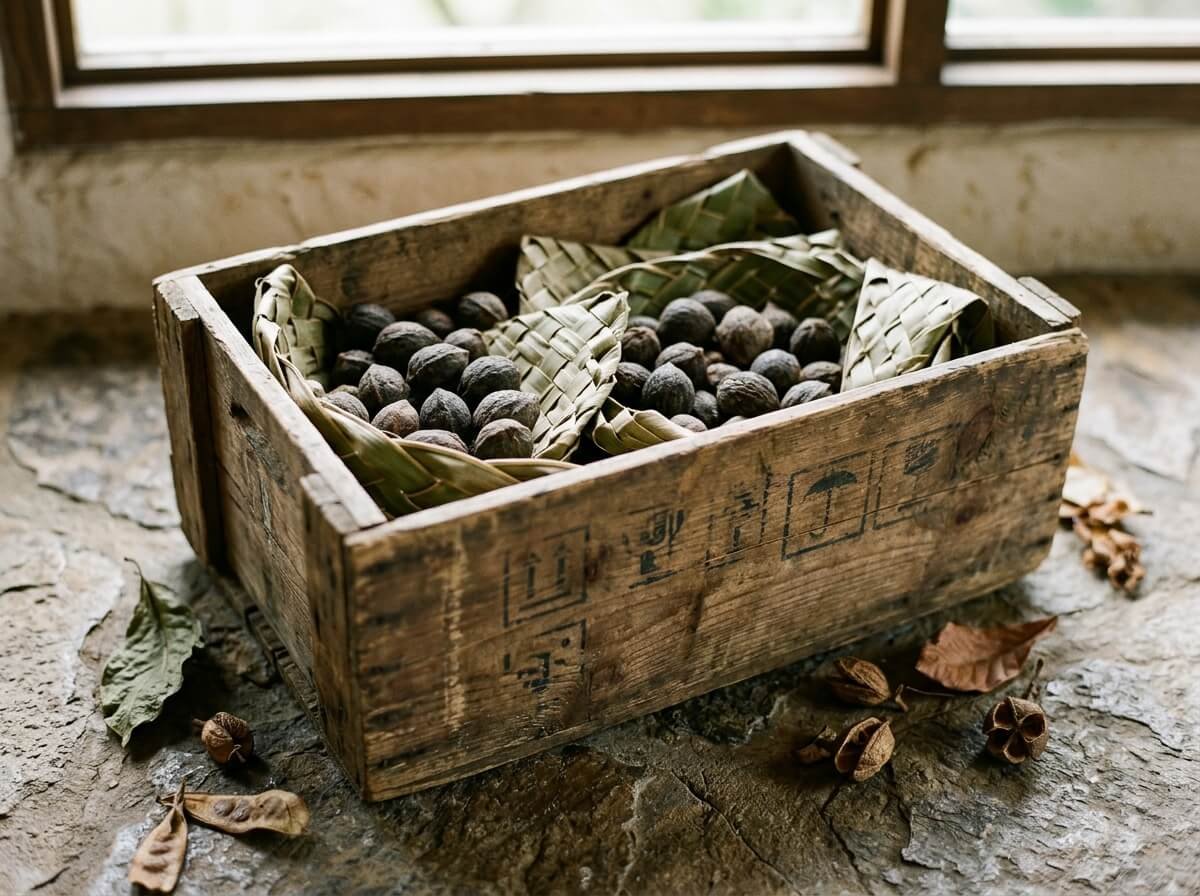
If you read tremella product pages closely, you will notice something missing. Almost no brand will tell you which farm grew the mushroom, what country it was cultivated in, what substrate it was grown on, or how it was transported to the formulator. The standard line is sustainably sourced, which is not a verifiable claim. Sustainability is a measurable thing. Distance traveled, water used, energy consumed, and labor conditions are all numbers that can be reported. Sustainably sourced without those numbers is a phrase, not a fact.
Most commercial tremella in Western clean beauty is cultivated in mainland China, harvested, dried, milled, extracted into a fine polysaccharide powder, shipped to a formulation lab in Europe or North America, blended into a serum, packaged, and shipped again to retail or direct-to-consumer warehouses. The supply chain stretches across at least three continents before the bottle reaches your bathroom shelf. That distance carries a real carbon cost, and that cost is rarely listed next to the ingredient claim.
None of this means tremella is bad for the planet. It does mean the “sustainable” framing deserves scrutiny. Our position, as a small workshop in Ubud, is that the most genuinely sustainable ingredient is often the one that already grows where your formulator works. Coconut oil for us is pressed from groves a short drive from our blending tables. Kukui and illipe come from rainforest-edge communities in Kalimantan through our Forestwise partnership, where harvesting income directly protects the standing forest. Aloe is cultivated by neighbors. These are not perfect supply chains, but the numbers are visible and short.
If a clean-beauty brand cannot tell you where the tremella was grown and how it traveled, the ingredient is doing one job for your skin and another job for the brand’s marketing. Knowing the difference is what conscious skincare actually looks like. We explore the wider framing in our guide to what clean beauty really means, which goes deeper into the labels and the truths behind them.
There is a quieter version of this question worth asking, too. When a single ingredient becomes the centerpiece of a product line, supply chains tend to consolidate. Cultivation expands to meet demand, often through monoculture, often on land that previously supported more diverse ecosystems. Soybeans, palm oil, and quinoa all carry cautionary stories of well-intentioned demand reshaping landscapes in ways the original communities never wanted. Tremella has not reached that scale, and may not. But the pattern of consumer enthusiasm running ahead of supply transparency is one we have seen before, and it is worth holding lightly when the next miracle ingredient arrives.
Balinese botanicals that do the same molecular work
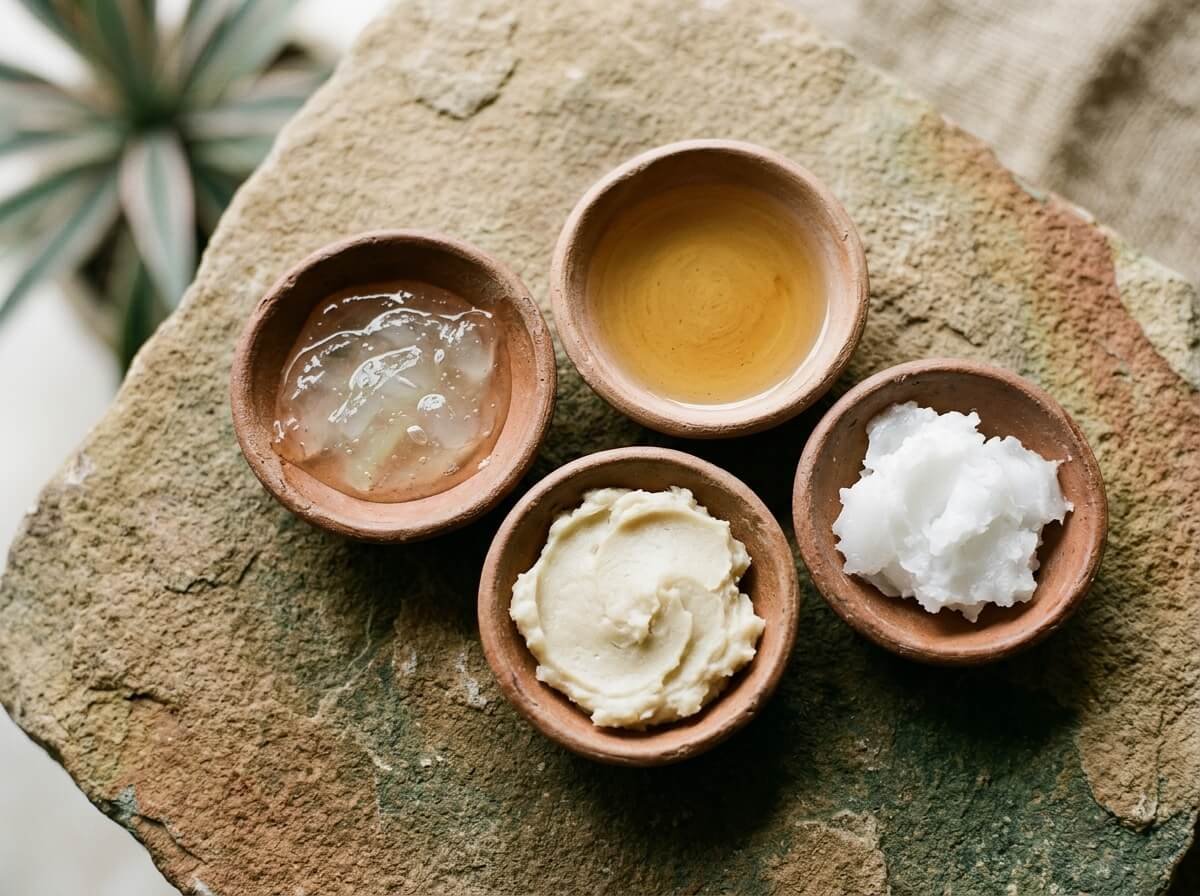
This is where the alternative story begins. Four wild-harvested or sustainably grown botanicals from the Indonesian archipelago do the same molecular work tremella claims, often through complementary pathways. They are not exotic novelty ingredients. They are common in Balinese kitchens and pharmacopeia, used for generations, and they appear in the products on our shelves today.
Aloe vera, the humectant tradition
Aloe vera contains acemannan and other long-chain polysaccharides that bind water in the upper layers of skin, much like tremella. It also brings amino acids, salicylic acid in trace amounts, and a mild anti-inflammatory profile that tremella does not match. Fresh-cut aloe gel from a plant grown in your own garden does the same humectant work as a tremella serum, often at a fraction of the cost. Our Aloe Vera Gel is pressed and stabilized from leaves grown nearby in Bali, with no synthetic fragrance and no skin-irritating denatured alcohol.
Kukui nut oil, the barrier-fluid emollient
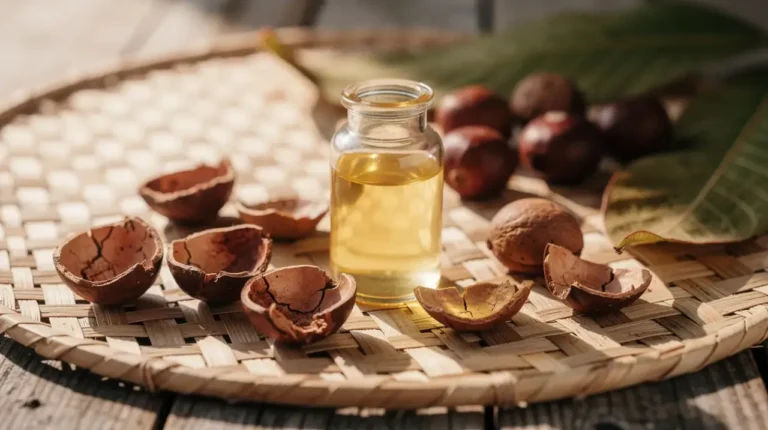
Kukui oil is roughly forty percent linoleic acid, the fatty acid your skin barrier needs to keep itself flexible and resilient. Where tremella adds water, kukui keeps the water in by sealing the lipid layer between corneocytes. It is also rich in alpha-linolenic acid and tocopherols, both of which calm reactive skin. The candlenut tree is sacred in Hawaiian and Indonesian tradition, and the wild trees in Kalimantan still drop nuts that our partners gather without disturbing the canopy. Our kukui oil deep-dive covers the harvest story and the formulation chemistry in more detail.
Illipe butter, the ceramide-mimicking occlusive
Illipe butter, pressed from the seeds of Shorea stenoptera, has a fatty-acid profile remarkably similar to cocoa butter but with a higher melting point and a longer-chain composition that behaves like a ceramide-mimic on the skin. It seals barrier moisture for hours, smooths dry patches, and brings the protective occlusion that water-binding humectants alone cannot deliver. Our illipe butter daily ingredient note explains the Forestwise partnership that brings it from rainforest-edge communities in Kalimantan to our blending tables in Ubud. The same illipe shows up in our Pure Energy Body Butter, which is the most common reach when our team wants the barrier-sealing layer that a tremella serum cannot deliver on its own.
Coconut oil, the versatile carrier
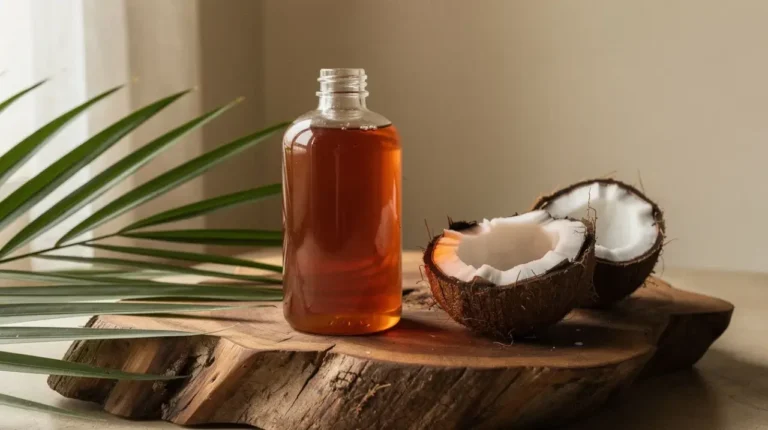
Coconut oil deserves its place not because it is glamorous, but because it works. Its medium-chain triglycerides spread thinly, glide easily, and carry other actives into the upper layers of skin. It also has lauric acid, a mild antimicrobial that supports a balanced skin microbiome. It is not a humectant, so it does not replace tremella’s water-binding role, but it completes the stack. Read our guide to coconut oil for skin for the sourcing and extraction differences that matter most.
Together, these four create a layered system: aloe binds water, kukui keeps it pliable, illipe seals it, coconut carries everything in. That is the molecular work tremella claims, distributed across plants that have done the job for generations.
The whole stack in one quiet bottle
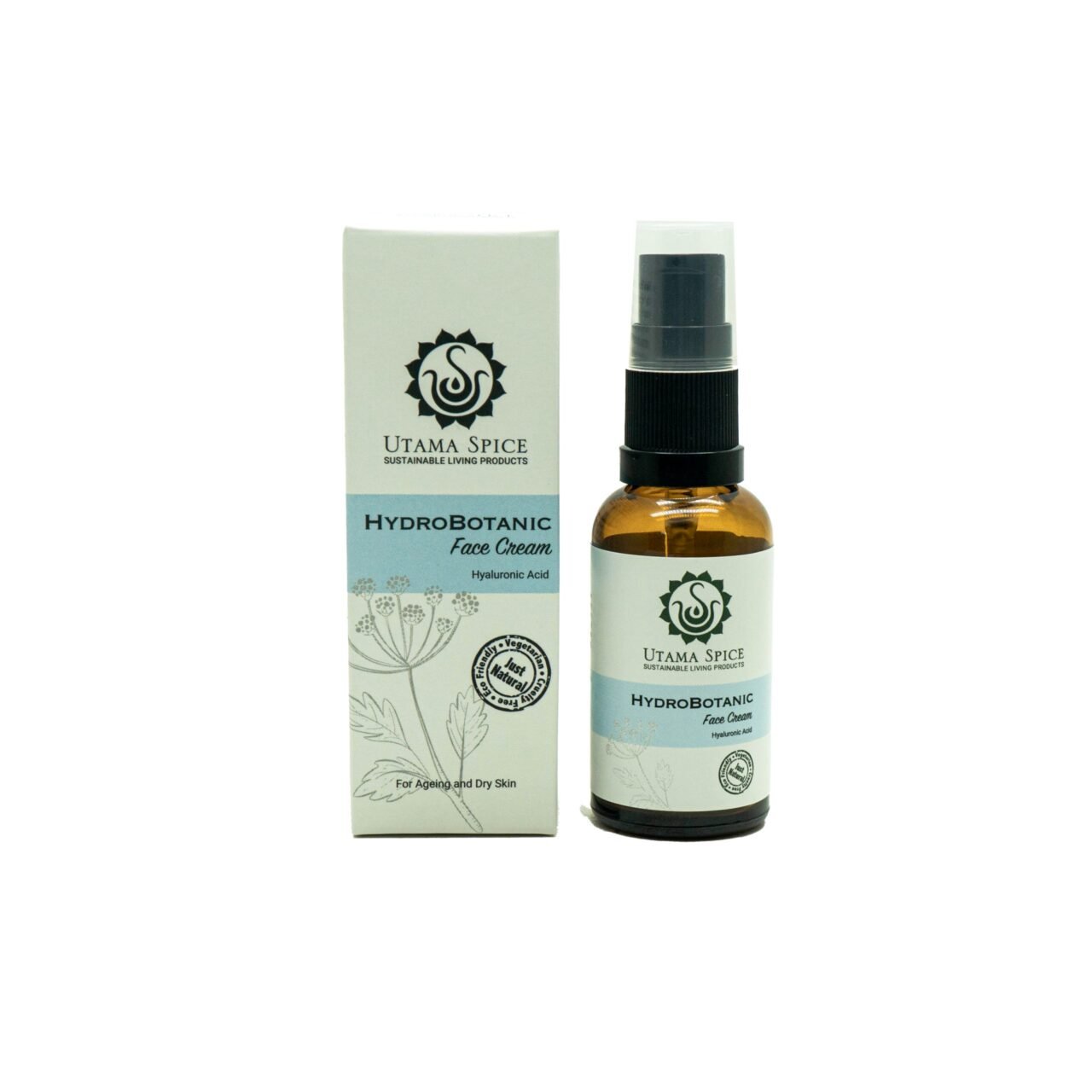
Our HydroBotanic 3-in-1 Hydrating Face Cream brings the humectant, emollient, and barrier-sealing layers together: hyaluronic acid for water-binding, ceramides for barrier repair, and a Balinese plant-oil blend for the carrier work. Hand-blended in Ubud, refill ready, and crafted to do the work tremella claims without crossing an ocean to reach your shelf.
How to think about ingredient stacking
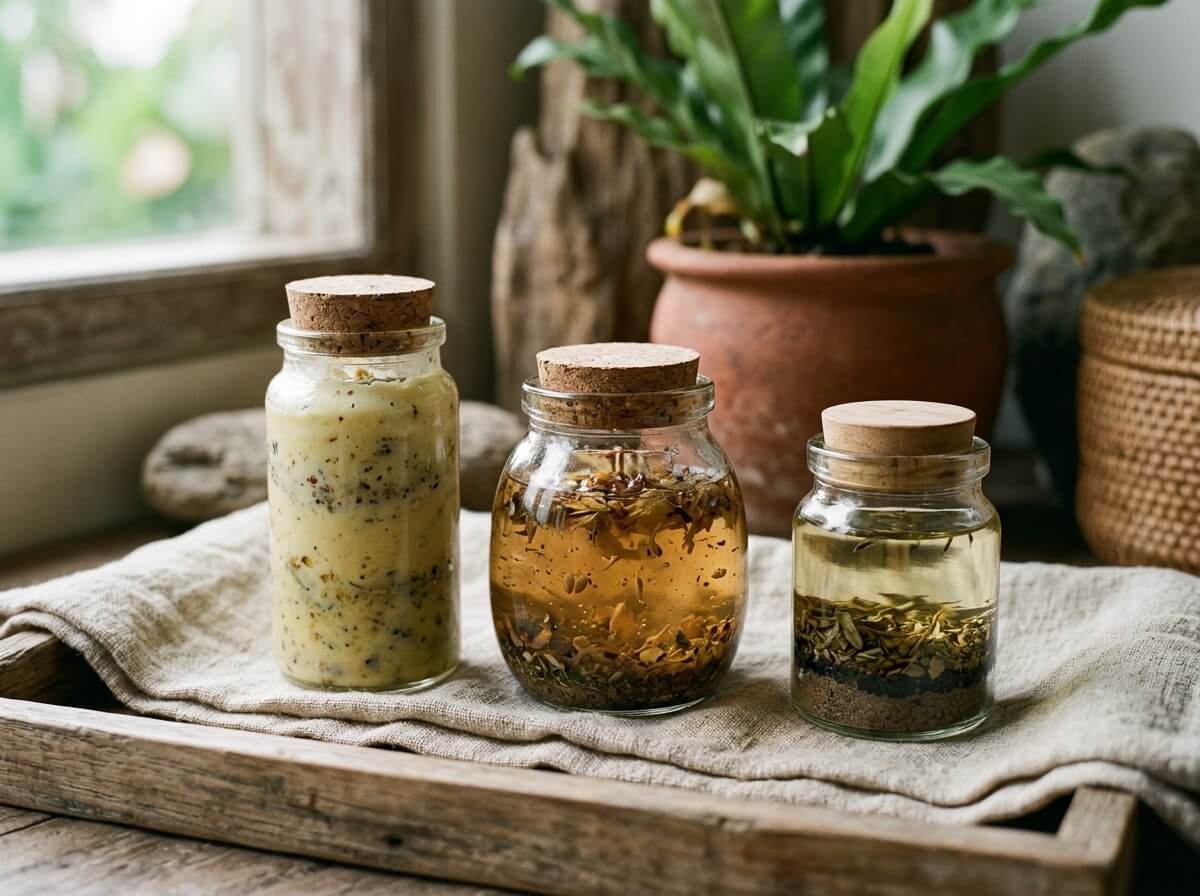
One reason tremella is having a moment is that the clean-beauty industry loves a single hero ingredient. A hero ingredient is easy to market, easy to remember, and easy to put on a label. But skin does not function on a single ingredient. It responds to a system of three layers working together: a humectant that binds water, an emollient that smooths the lipid layer, and an occlusive that slows water loss to the air.
This is not new knowledge. Dermatologists have used the humectant-emollient-occlusive framework for decades. It is also how traditional Balinese skincare has worked for centuries, before anyone called it a framework. The morning slip of aloe over damp skin is the humectant layer. The pressed kukui oil that follows is the emollient. The thin coat of illipe butter on the driest areas is the occlusive. The whole sequence takes ninety seconds and asks nothing exotic of your shelf.
If you read your serum’s ingredient list carefully, you will often see this layered logic compressed into a single bottle. A tremella serum that performs well usually contains glycerin or hyaluronic acid for additional humectant range, squalane or jojoba for emollience, and a small percentage of a heavier butter or ester for light occlusion. The tremella is one piece of the system, not the whole story. Once you start reading labels with this lens, the hero-ingredient marketing matters less and the formulation choices matter more.
Our natural skincare routine guide walks through the humectant-emollient-occlusive logic in plain language for anyone building a routine from scratch.
A grounded routine, no novelty required
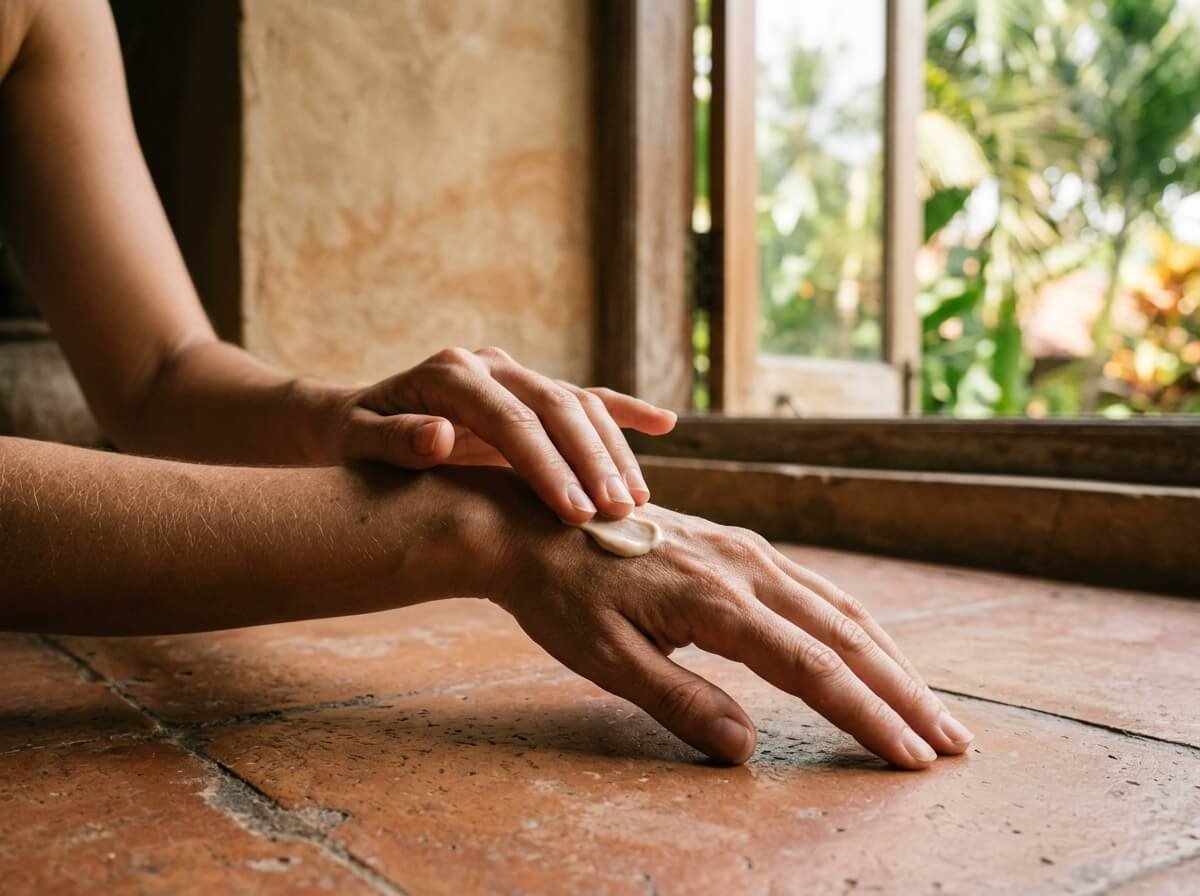
Here is a complete routine that delivers the same molecular benefits as a tremella-led regimen, built from botanicals that come from known sources and known hands. It takes under three minutes morning and evening, and it works for nearly every skin type with small adjustments.
Morning
- Cleanse with a gentle, sulfate-free formula. Damp skin holds the next step better than dry skin.
- Press a thin layer of pure aloe vera gel onto damp skin and let it absorb for thirty seconds. This is your humectant layer.
- Smooth a few drops of a light natural face oil over the aloe, focusing on cheeks and around the eyes. This is your emollient layer.
- If your skin is dry or wind-exposed, finish with a pea-sized amount of a botanical face cream on the driest areas. This is your occlusive layer.
- Mineral sunscreen if you are heading outside.
Evening
- Double cleanse if you wore sunscreen or makeup, single cleanse otherwise.
- Apply aloe to damp skin as in the morning.
- Layer a richer face serum or oil. A Balinese face serum with a kukui or jojoba base supports overnight barrier repair.
- Finish with a thin layer of illipe-based body butter or face cream on the cheeks and any patches that feel tight.
That is the whole routine. No imported novelty ingredient, no eight-hundred-dollar shelf rotation, no aspirational scarcity. Just plants doing what they have always done, in a quiet sequence that anyone can repeat. The skin barrier responds to consistency more than to novelty, and a routine you can actually maintain will always outperform a routine you abandon after a month.
If you want to deepen the routine without adding novelty, the most useful additions are usually time and texture, not new ingredients. Press, do not rub, when you apply each layer. Wait twenty to thirty seconds between steps so each layer can settle. Run a thumb gently along the jaw and the lateral cheekbones as you press; the slow, sensory motion calms the skin and the nervous system at the same time. We think of this as ritual rather than routine, and our team often says that it is the rhythm, not the bottle count, that changes a tired complexion. A tremella serum cannot do that part for you. Neither can a face cream. The ritual is the missing variable in most skincare conversations, and it is one of the few that costs nothing to add.
When tremella is worth it, and when it is not

We want to be fair to the ingredient. There are situations where a well-formulated tremella serum is a sensible choice. There are also situations where it adds nothing your existing routine cannot already do. A grounded decision framework helps.
Tremella may be worth trying when
- You react to hyaluronic acid serums, even low-molecular-weight ones, and want a different humectant chemistry.
- You have already built a solid emollient and occlusive layer in your routine and want to add a refined humectant boost.
- You are drawn to Chinese herbal traditions and want to honor that heritage in your skincare.
- The brand publishes specific sourcing details, including the country of cultivation and the distance traveled.
Tremella is unlikely to add value when
- Your skin is mostly happy with aloe, glycerin, or hyaluronic acid as a humectant.
- You have not yet established a consistent emollient or occlusive step. A barrier without those layers cannot hold the water any humectant attracts.
- The product costs three times what a comparable plant-based humectant blend costs, and the brand cannot tell you why.
- You are choosing it because clean-beauty marketing made it sound rare or magical. It is neither.
The honest truth is that no ingredient, including the four Balinese botanicals we craft with, is the answer on its own. Skin is a system, and a routine is a sequence of small acts repeated daily. What you give, you get back. The ingredients you choose to give your skin should reflect the same care you want to receive: known origin, honest formulation, and quiet effectiveness over loud novelty. That is the standard we hold ourselves to in every product we hand-blend in our Ubud workshop.
If tremella belongs in your shelf, let it earn its place. And if it does not, the plants growing within walking distance of our blending tables have been quietly doing the same work for generations. Either way, the choice is yours, and the standard you set for an ingredient becomes the standard the industry has to meet.