Aromatherapy oils for massage: a Balinese guide to botanical body oils and daily ritual
Aromatherapy oils for massage are not a trend, they are a tradition that Balinese healers, Indonesian wellness practitioners, and modern bodyworkers have refined over generations. When the right plant essence meets the right carrier oil and the right pair of hands, the body responds in ways that single-ingredient products simply cannot match. The skin softens, the breath deepens, the mind settles. This guide is for anyone who wants to understand what makes an aromatherapy massage oil genuinely effective: the botanical sourcing, the carrier-oil science, the dilution rules, and the everyday rituals that turn a bottle of oil into a meaningful practice.
We have been blending massage and body oils in Bali since 1989, so the approach in this guide is grounded in 35 years of practical formulation work and the older heritage of Indonesian botanical care that came before us. We will cover what aromatherapy massage actually is, which oils belong in a starter wardrobe, how to pair essential oils with carriers, safe dilution for adults and sensitive skin, and how to build a small home ritual that respects both the botany and your body.
What aromatherapy massage actually is, and why oils matter
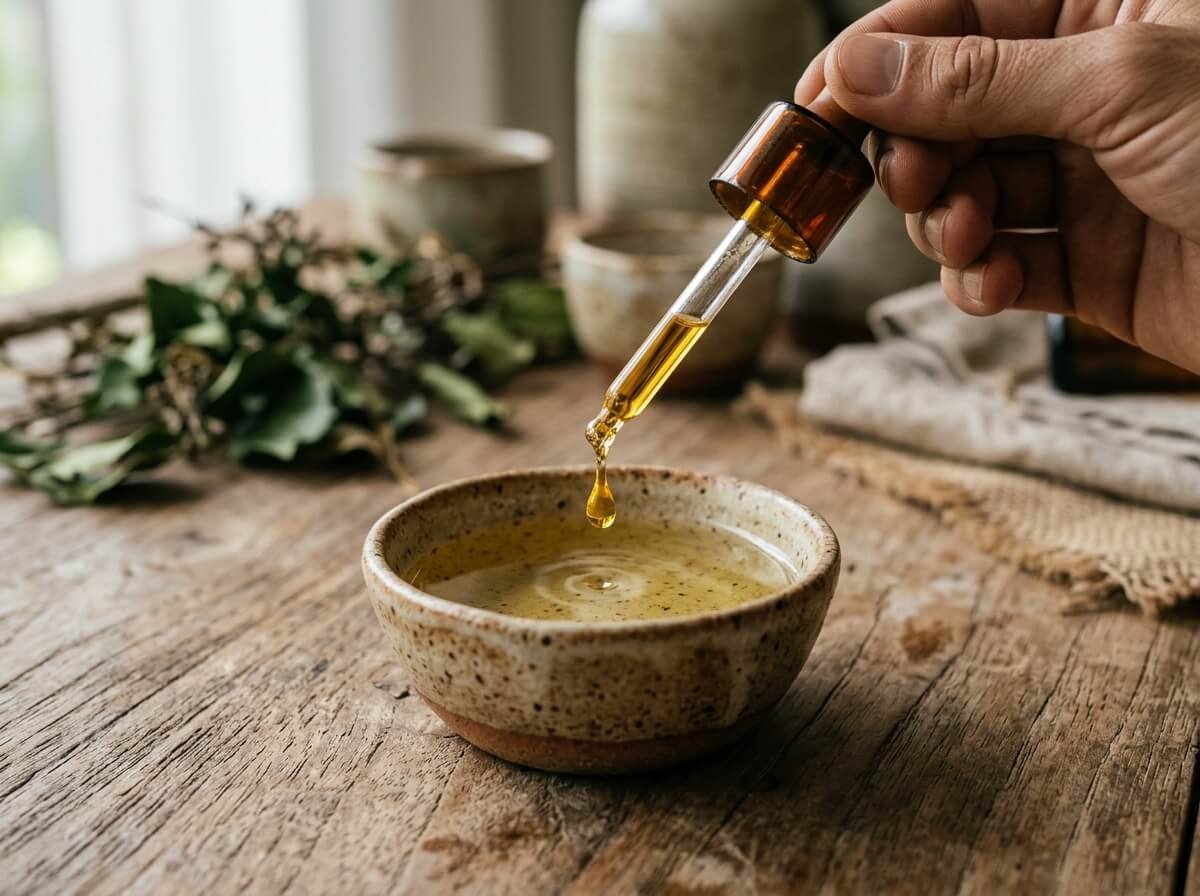
Aromatherapy massage is a manual bodywork technique that pairs touch with the targeted use of plant-derived essential oils, always diluted in a carrier oil. Two systems engage at once: the somatic system through the pressure and rhythm of the hands, and the olfactory and dermal systems through the volatile aromatic molecules of the oils. The combination is the point. A massage without aromatic oils is a good massage. A massage with the right aromatic oils, applied at the right dilution, is a layered sensory practice that influences mood, circulation, and the parasympathetic nervous system at the same time.
The science here is calmer than the marketing usually suggests. Essential oil molecules are small enough to pass through the skin barrier in tiny amounts, and inhaled aromatic compounds reach the olfactory bulb within seconds, where they interact with the limbic system, the part of the brain that processes memory and emotion. Peer-reviewed work on lavender, bergamot, and chamomile shows measurable shifts in cortisol levels and self-reported stress after aromatherapy massage sessions. The work of jamu, the ancient Indonesian practice of aromatherapy, has known this for centuries, and modern research is now describing the same effect in different language.
What this means in practice is simple. A good aromatherapy massage oil is not a luxury, it is a tool. It does two jobs at once: it allows the hands to glide and work without friction, and it delivers a small, controlled dose of aromatic molecules through skin and breath. Skip the carrier, and the essential oils are too concentrated. Skip the essential oils, and you have a perfectly nice lubricant. The blend is where the practice lives.
There is a Balinese phrase that captures the orientation: tri hita karana, the three causes of wellbeing, which describes harmony with the divine, with people, and with nature. Aromatherapy massage sits inside the third domain. Each oil is a small contract with a plant and the place it grew, and the practice of using it is a form of attention. That orientation is the reason traditional Indonesian massage was never separated from the plants it used. Touch and botany came as one thing, because the people doing the work understood that the body listens to both.
Carrier oils: the foundation every aromatherapy massage oil sits on
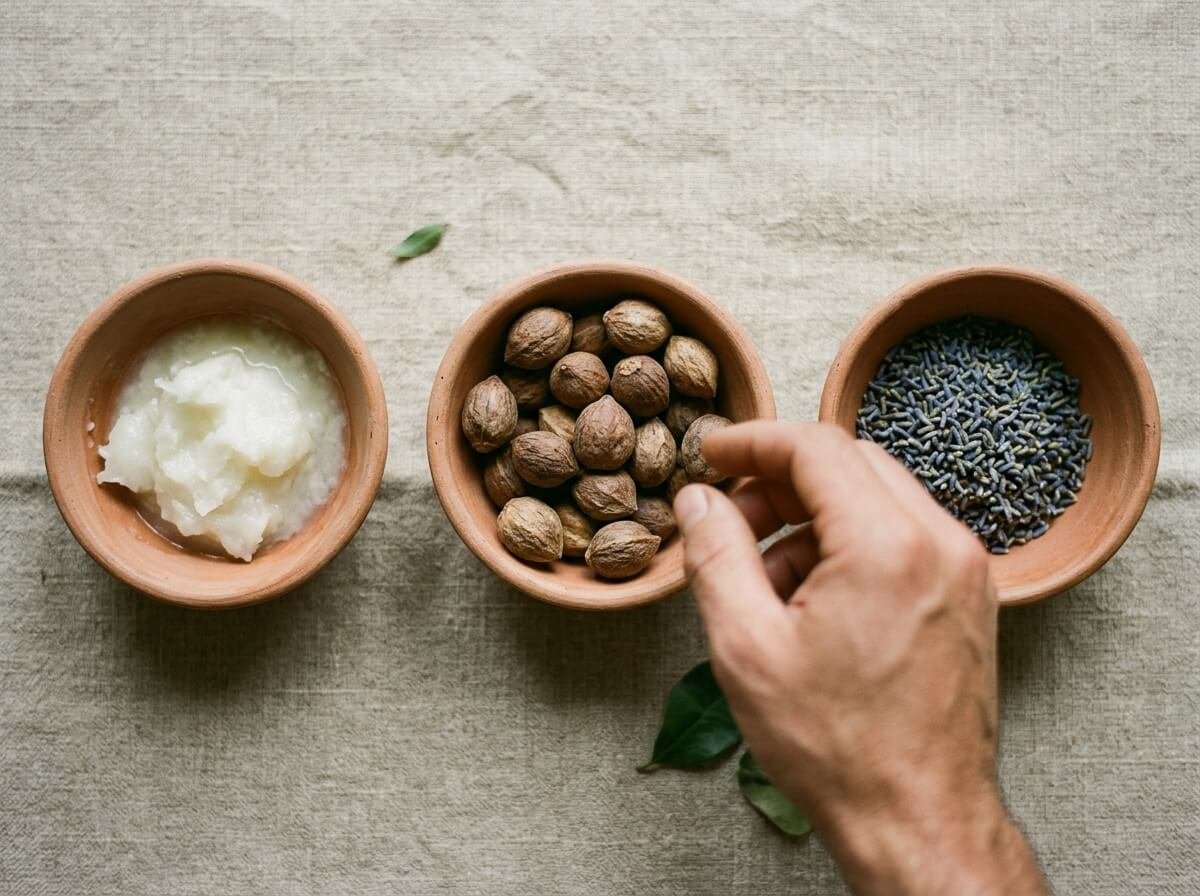
Essential oils on their own are far too strong to apply directly to skin in any meaningful quantity. They need a carrier, a neutral or semi-neutral plant oil that dilutes them, slows their evaporation, and feeds the skin its own nutritional payload. Choosing the right carrier is the first decision in any aromatherapy massage oil, and it usually matters more than the essential oils that get blended into it.
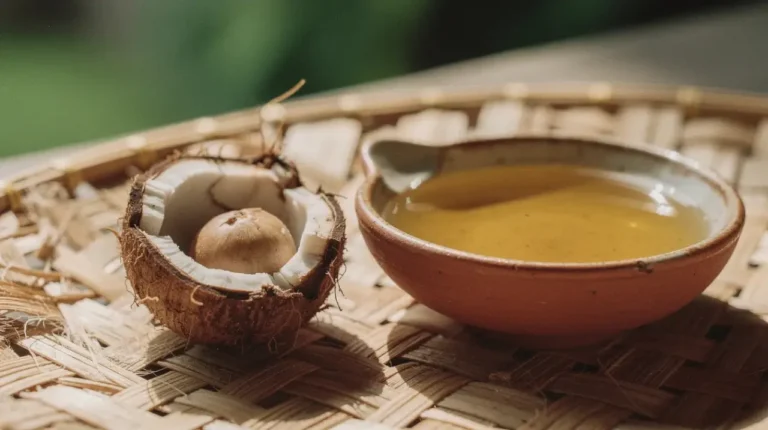
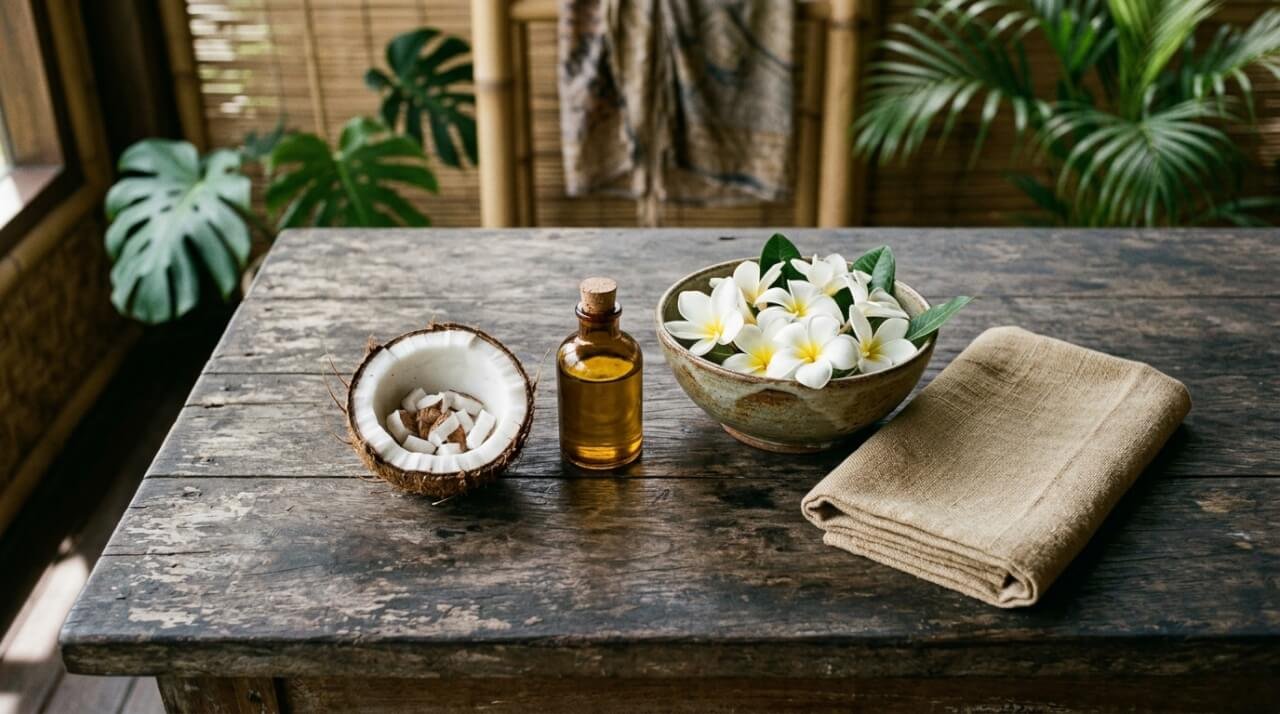
For most massage work, cold-pressed coconut oil is the foundational carrier we reach for. It is light, absorbs steadily without leaving a heavy residue, and carries a faint sweetness that complements almost every botanical scent we work with. Our Virgin Coconut Oil is pressed from Bali coconuts grown through our Aluan partnership, which means the sourcing supports both wild habitat and the local growers who maintain the groves. The same logic underpins most of our coconut body oil work, where coconut acts as both carrier and active in its own right.
Other carriers serve specific purposes. Kukui oil, which we wild-harvest with Forestwise from Pacific groves, has a lighter feel and a long history in Polynesian and Balinese skin care. We rely on it for facial work and for clients whose skin runs sensitive. Sesame oil is heavier and warming, suited to grounding evening massages and Ayurvedic-style routines. Sweet almond oil sits in the middle: balanced, gentle, easy to recommend for beginners. Jojoba is technically a liquid wax rather than an oil, which makes it close to the skin’s own sebum, slow to oxidize, and excellent for facial massage and for blends you want to keep on a shelf for months.
If you want a deeper read on how to choose between these, our guide to choosing the right carrier oil to mix with essential oils walks through the pairing logic in detail. The short version: skin type, season, and the kind of massage decide the carrier. The essential oils come second.
The starter wardrobe: ten aromatherapy oils for massage you can build a practice around
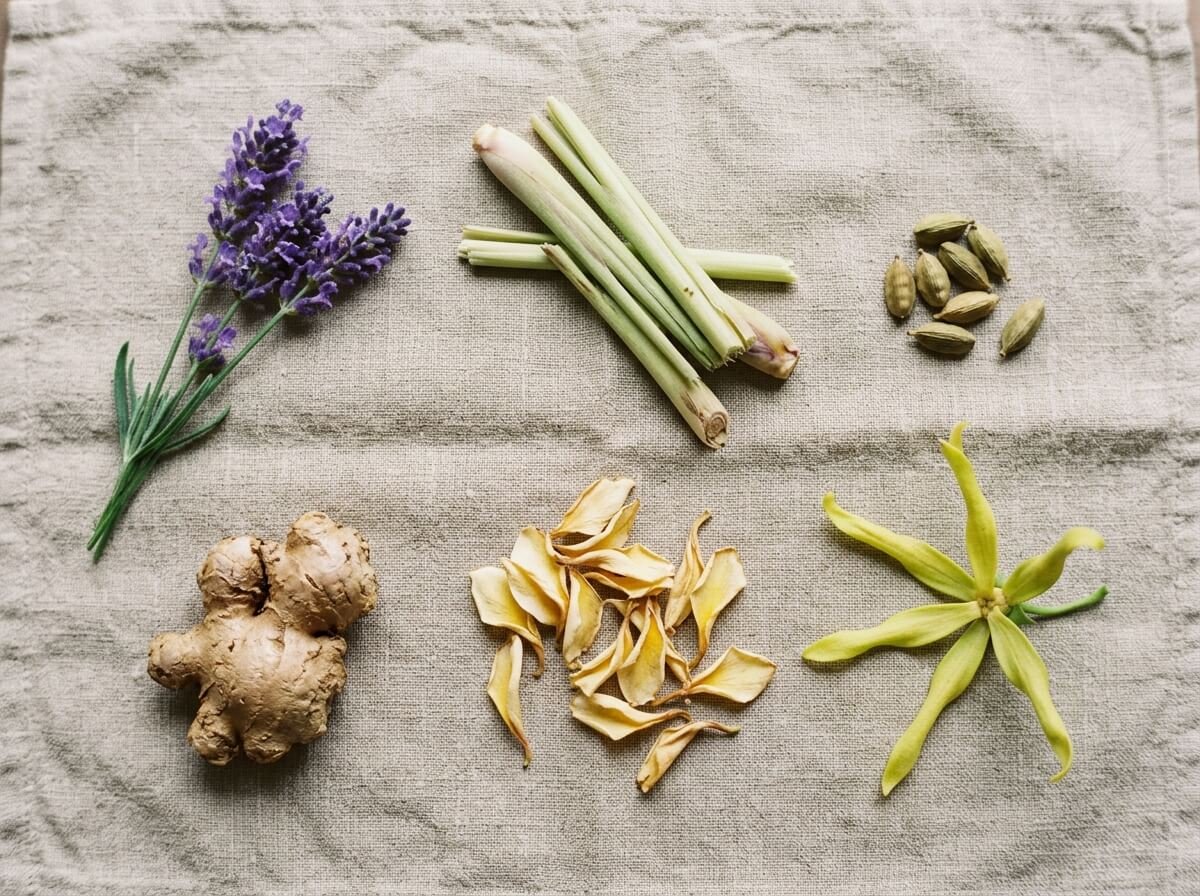
A complete massage practice does not need dozens of oils. It needs ten thoughtfully chosen ones that cover the main therapeutic categories: calming, energizing, warming, cooling, decongesting, and grounding. Build out from there only when you have reasons to.
- Lavender, the foundational calming oil. Soothes, balances, and pairs with almost everything. Begin here. Our Lavender Essential Oil is steam-distilled from carefully sourced Lavandula angustifolia.
- Ginger, warming and circulatory. The classic choice for tired muscles, cold mornings, and the warming layer of any winter blend. Our Ginger Essential Oil comes from rhizomes that Indonesian healers have used for generations.
- Lemongrass, energizing and clarifying. Gives a massage oil lift without sharpness, and supports clarity in the morning or after travel.
- Frankincense, grounding and meditative. A few drops anchor a blend, slow the breath, and add a quiet sacred quality. Read more in our piece on the far-reaching benefits of frankincense.
- Peppermint, cooling and refreshing. Used sparingly, peppermint relieves heaviness in the head and is brilliant for scalp and shoulder work.
- Eucalyptus, decongesting and clearing. The chosen oil for chest massages, recovery work, and the wet-season cold that hits Bali every February.
- Rose geranium, floral and balancing. Soft enough for facial work, warm enough for full-body. Our Rose Geranium Essential Oil is a workhorse in many of our blends.
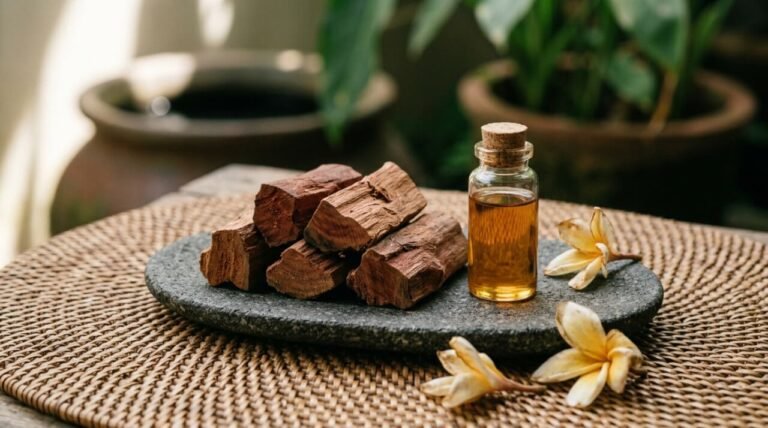
- Ylang ylang, sweet, rich, and slow to evaporate. A base note that holds a blend together. Our Ylang Ylang Essential Oil is steam-distilled from Cananga odorata flowers grown in the Indonesian archipelago.
- Cananga, the close Balinese cousin of ylang ylang, used in temple offerings and traditional ritual baths.
- Bergamot, citrus brightness with a calming undertone. Use sparingly, and avoid sun exposure for several hours after application, as it is photosensitizing.
Ten oils give you several lifetimes of possible combinations. If you would rather start with a pre-built option, our Bliss Essential Oil Blend covers the grounding and calming end of the spectrum, and is one of the easiest blends to add to a carrier for a quick massage oil at home.
How to blend: dilution ratios, technique, and the rule of synergy
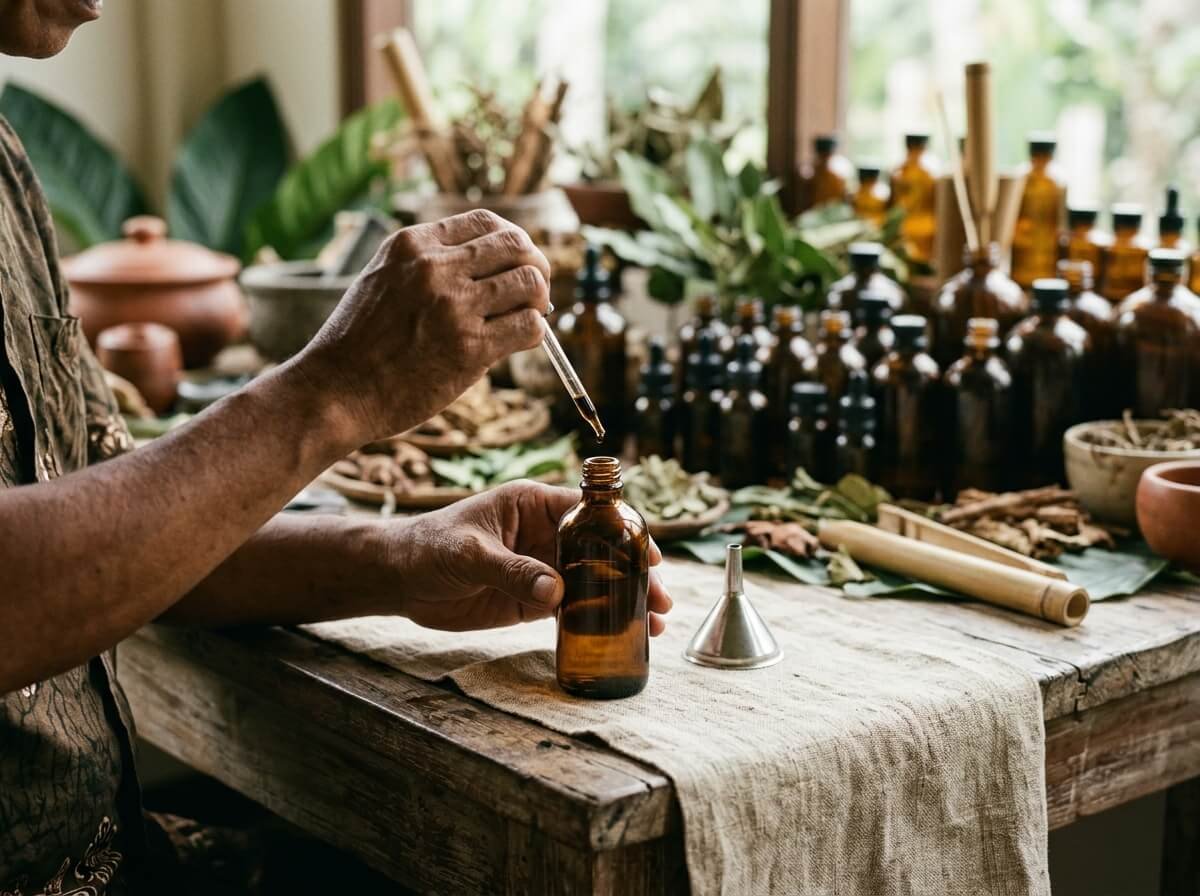
Dilution is where most home blends go wrong. People assume that more essential oil means stronger effect, but the opposite is usually true. Past a certain concentration the volatile molecules saturate the receptors, the scent becomes overwhelming, and the carrier struggles to hold the blend evenly. The body reads it as too much information and shuts down to it.
For adult full-body massage, the standard dilution is 2% to 3%, roughly 12 to 18 drops of essential oil per 30ml of carrier. For facial massage, drop to 1%, or about six drops per 30ml. For sensitive skin, pregnant clients, children over two, and elderly clients, use 0.5% to 1%, and always patch test first. For acute therapeutic work over a small area, you can go up to 5%, but only for short periods and only on adults with no relevant contraindications.

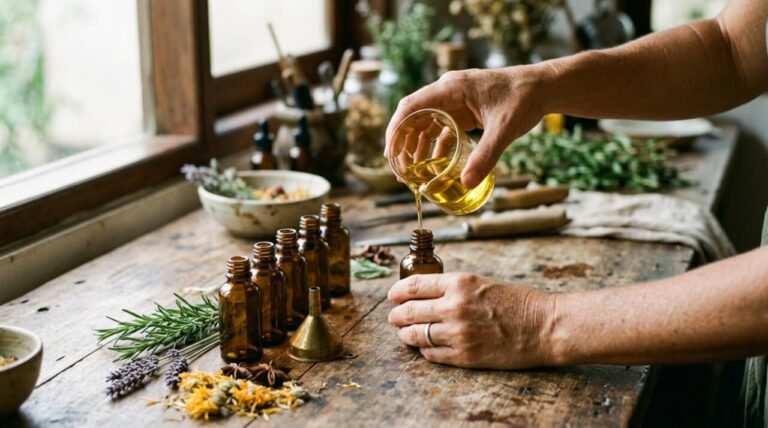
Synergy is the second principle. Two or three essential oils blended together often produce an effect greater than any of them alone. A common structure is one top note, one middle note, and one base note: a citrus or fresh oil for the opening, a herbal or floral for the heart of the scent, and a resinous or woody oil to anchor it. Lemongrass, lavender, and frankincense is a reliable beginner blend. Bergamot, rose geranium, and ylang ylang is another. Build slowly. Smell as you go.
If you want a deeper walk through the structural logic of synergy, our piece on essential oil blends and aromatherapy combinations that work covers the note theory and the science behind it in more depth. The beginner’s guide to blending essential oils covers the practical mechanics of measuring and mixing without losing track of your ratios.

Lemongrass Ginger Body Oil
A ready-to-use aromatherapy massage oil, hand-blended in Bali with energizing lemongrass and warming ginger essential oils suspended in cold-pressed coconut. Built for daily self-massage, evening rituals, and a body that has earned ten quiet minutes of care.
Safety, contraindications, and the oils to use carefully for massage
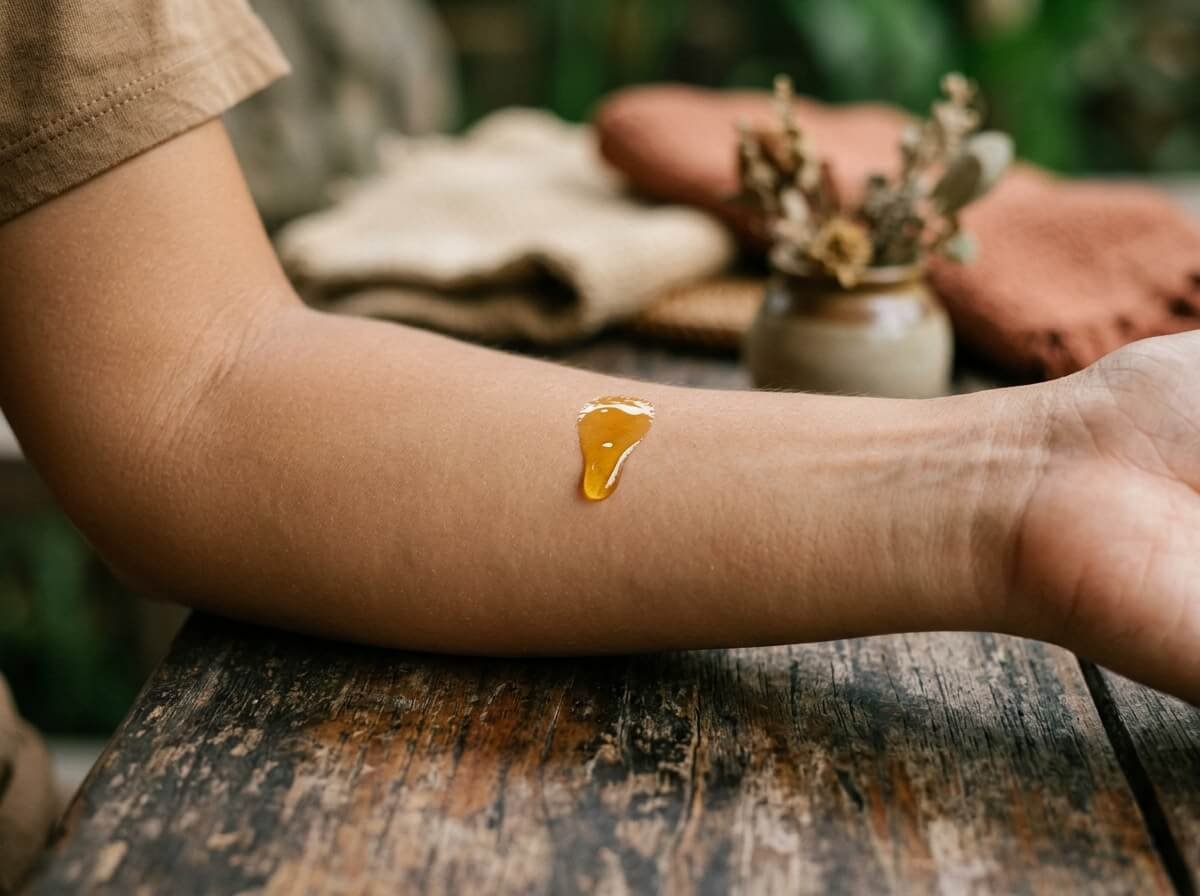
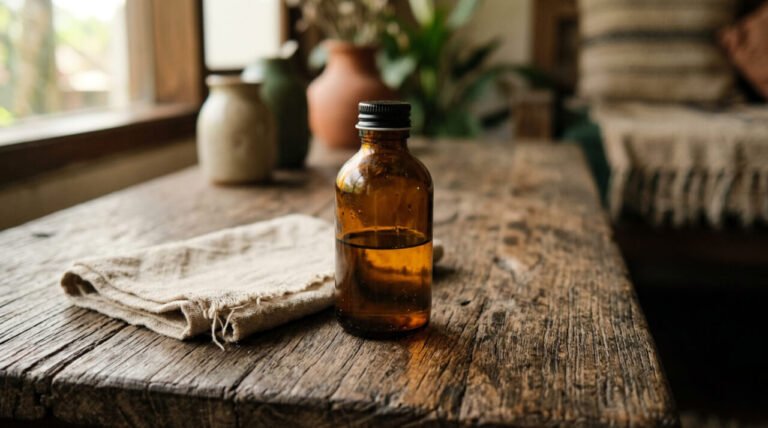
Aromatherapy massage is gentle in the right hands and on the right body, but a few rules are non-negotiable. Always dilute. Always patch test a new blend on the inner forearm and wait 24 hours before a full application. Always check contraindications when working with pregnancy, epilepsy, high blood pressure, or chronic skin conditions. The convenience of a small amber bottle hides the fact that you are working with concentrated bioactive plant chemistry, and the responsibility of doing it well sits with whoever holds the bottle.
Some oils are not suitable for massage at all, or only at low percentages. Cinnamon bark, clove, oregano, thyme, and lemongrass at high concentrations can sensitize or burn the skin. Wintergreen and birch contain methyl salicylate and are best avoided altogether by most home users. Citrus oils like bergamot, lime, and grapefruit can be photosensitizing, which means UV exposure within 12 hours of application can trigger pigmentation and irritation. Use them in evening blends rather than morning ones.
Pregnancy is its own conversation. Some essential oils are considered safe in the second and third trimesters at low dilution, including lavender, ylang ylang, and frankincense. Others, including clary sage, jasmine, peppermint, and rosemary, are generally avoided. When in doubt, ask a qualified aromatherapist, or skip the essential oil entirely and use a nourishing carrier-only oil. Our complete guide to essential oil safety covers the contraindications in detail.
Pre-blended massage oils: when sourcing matters more than the recipe
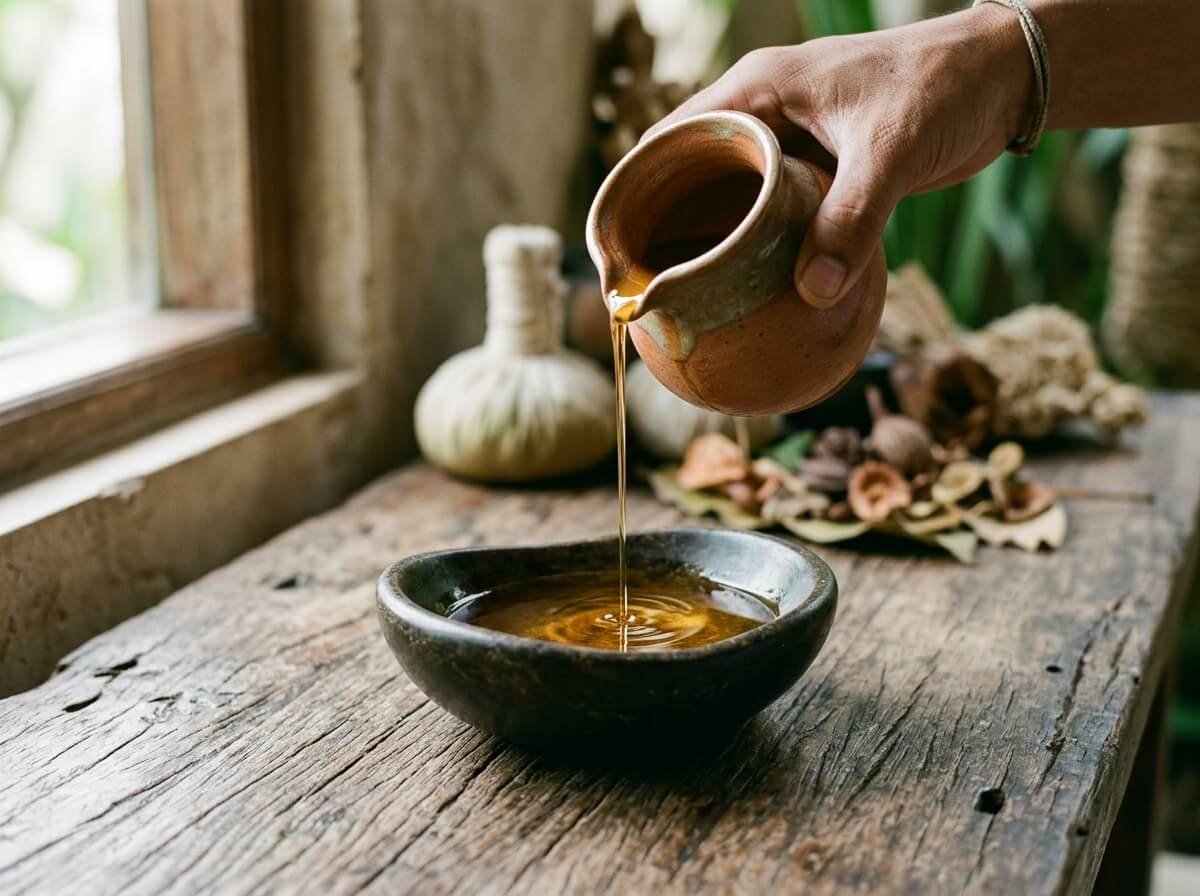
Building your own blends is rewarding, but a well-made pre-blended massage oil saves time and gives a consistent result. The difference between a good pre-blend and a mediocre one almost always comes down to sourcing. Where were the plants grown, who harvested them, what was the extraction method, how was the carrier pressed, and was the blend made in small batches or industrially.
This is the test we hold our own line to. Our Lemongrass Ginger Body Oil is the energizing entry point in the line, an aromatherapy massage oil suspended in cold-pressed coconut for daily self-care. Our Lavender Body Oil is blended with cold-pressed coconut and the same lavender we use in our essential-oil line, intended both as a daily skin nourisher and as a calming evening massage oil. Our Aphrodisia Body Oil brings cubeb, cinnamon, and patchouli together for a warmer, sensual evening blend. Our Rose Allure Body Oil pairs coconut with rose geranium for a soft, floral, hydrating massage oil that suits dry or mature skin.
If you prefer a single-ingredient option, our work on the benefits of coconut oil in natural skin care covers what plain coconut on its own can do as a massage carrier, before any essential oil is even added.
Building a home ritual: the small practice that turns oil into care
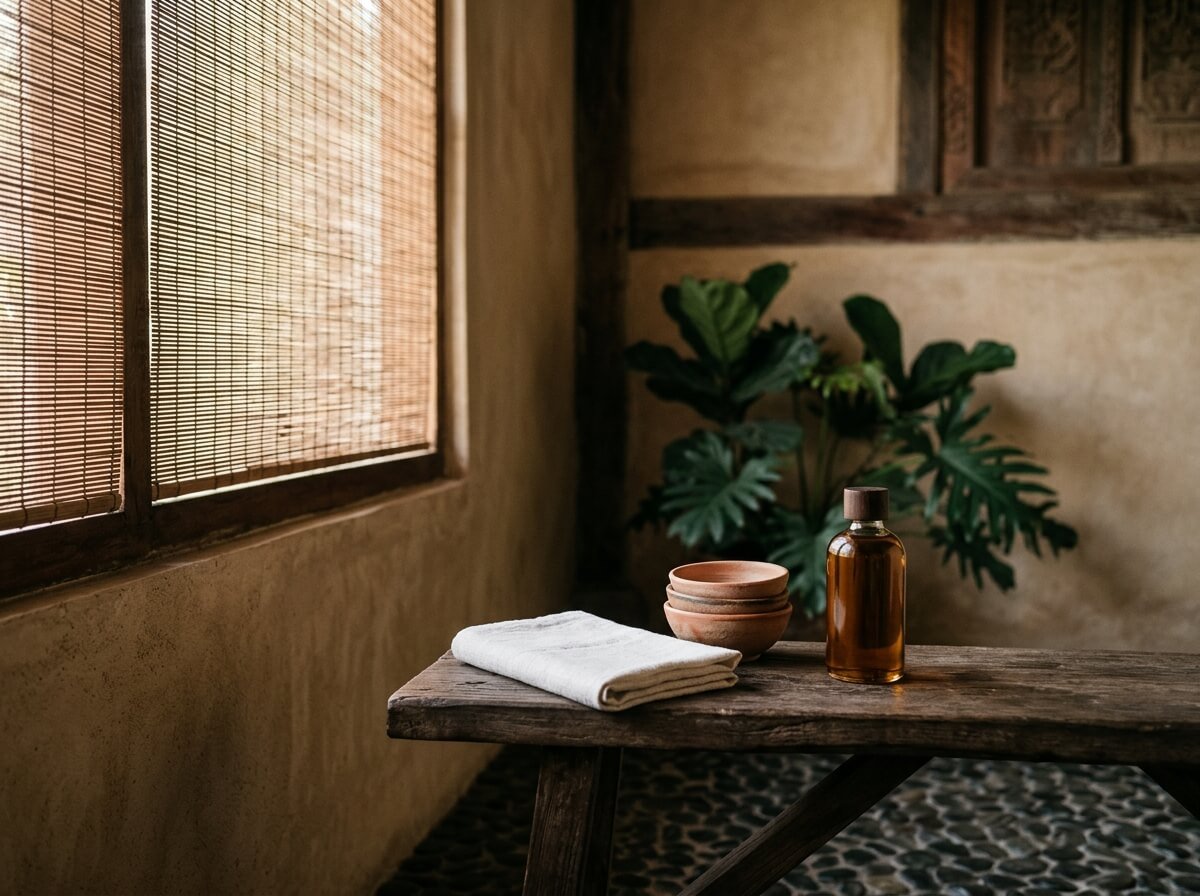
A regular massage practice does not require a spa, a partner, or an hour of free time. It requires a small amber bottle, a warm room, and ten quiet minutes. The most underrated home ritual we know is the evening self-massage: warm a tablespoon of blended oil between the palms, sit on the edge of the bed, and work the oil through the soles of the feet, the calves, the lower back, the shoulders, the back of the neck, the scalp. Ten minutes is enough.
If you have a partner who is willing to learn, swap evenings. The Balinese tradition of paired touch is one of the quiet engines of village life here, a way of caring for the body of someone you live with without needing to make an event of it. Our piece on the simple Monday scalp massage ritual walks through one of the easiest entry points: ten minutes, one carrier oil, two essential oils, and a willingness to slow down. The benefits compound over weeks rather than minutes.
For mornings, lighter blends suit the energy of the day better. A drop of peppermint and a drop of bergamot in a tablespoon of coconut oil, worked into the shoulders and the back of the neck, is a small, repeatable act of care that costs almost nothing and pays back in attention for hours. If you want to layer the practice into a broader wellness routine, our piece on pairing aromatherapy with yoga explores how essential oils support a movement practice as much as a stillness one.
A simple structure for the home practice helps it become a habit rather than a project. Pick one carrier you trust, keep it in a glass bottle on the same shelf, and keep no more than five essential oils within easy reach: a calming oil, a warming oil, a clarifying oil, a grounding oil, and one favourite floral. Blend before you sit down rather than during. Warm the blend in the palms for ten seconds, breathe in three times before the hands meet the body, and start with the longest muscles first. The order matters less than the rhythm. Two minutes on the feet, two on the calves, two on the lower back, two on the shoulders, two on the neck and scalp. Ten minutes, and the day softens at its edges.
Final thoughts: aromatherapy oils for massage as everyday practice
The instinct in most wellness marketing is to position aromatherapy massage as a luxury experience, something to book at a spa once or twice a year. The Balinese instinct is the opposite. Aromatic plant oils have always been part of daily and weekly life here, woven into temple offerings, postpartum care, evening rituals, and the simple practice of paying attention to a body that has carried you through a long day. The oils we make are designed to support that view of care, not the spa-and-special-occasion view.
Start with one carrier and three essential oils. Blend at 2%. Massage your own shoulders before bed for two weeks. Pay attention. Adjust. Build from there. Real care means the small, repeatable choices, the refillable bottle, the morning ritual, the moment of grounding before sleep. The oils are only ever a vehicle for that practice. The practice is the point.