Refillable beauty in 2026: the honest test for a real refill program
Refillable beauty had a big year. In 2026 the phrase moved from the sustainability pages of a few small brands to the front of department-store counters, business news, and packaging trade shows. Large beauty groups announced refill programs. Retailers built refill bays. Shopping lists of refillable cosmetics multiplied. If you care about what happens to an empty bottle, this is genuinely good news, and we want to say that first.
We also want to be honest about what the headline leaves out. Refillable beauty is not new, and the rules pushing brands toward it are more modest than many articles suggest. A refill option launched this year to stay on trend can be useful. It can also be a nicer-looking version of the same single-use habit. This guide is about telling the difference: what the new regulations actually require, the one question that separates a lived refill culture from a 2026 retrofit, what “refillable” can still hide, and what we count at our own refill counters in Bali (and what we do not).
Refillable beauty had a headline year in 2026, and that is worth being honest about

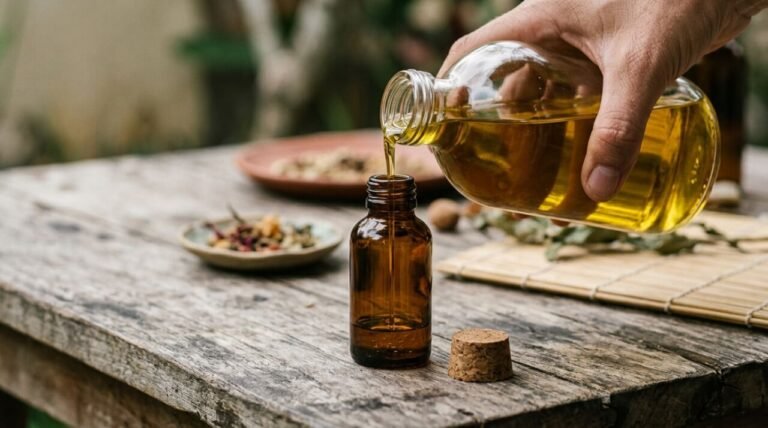
Something real shifted this year. Refill used to be a quiet practice at the edges of the market: a pump station in a co-op grocer, a glass jar at a market stall, a counter in a small shop where the same customers came back each month. In 2026 it became a category. Refillable skincare now has its own shelf in big retail, its own buying guides, and its own marketing budget.
Three forces pushed it there at once.
- Regulation. The European Union’s new packaging law began applying in August 2026, and every brand selling into Europe has had to look hard at its packaging.
- Waste fatigue. People have watched recycling promises fall short for years. Many of us now know that a recycling symbol is a material code, not a guarantee, a point we explored in recyclable was never the same as recycled.
- Design. Refill packaging finally got attractive. Heavy glass, aluminum cases, and magnetic lids made refilling feel like a premium choice rather than a compromise.
All three are good things. A large brand moving even a share of its range to refills can save more plastic in a month than a small maker saves in a decade. We are not interested in sneering at that. Scale matters.
But a headline year also brings a predictable problem. When a word starts to sell, it starts to stretch. “Refillable” now appears on products that can technically be refilled but rarely are, on refill pods that create more waste than the bottle they replace, and on programs that exist mainly so a brand can say it has one. The word is doing real work in some places and decorative work in others. Learning to read it is the useful skill, and it is simpler than it looks.
What the new rules actually say about refillable beauty (and what they do not)
Much of the 2026 coverage implies that refill is about to become mandatory for beauty brands. That is not quite true, and the difference matters for how you read a brand’s announcement.
The European packaging regulation
The EU Packaging and Packaging Waste Regulation, known as the PPWR (Regulation (EU) 2025/40), began applying on 12 August 2026. It replaces a patchwork of national rules with one law for all packaging sold in the EU. For cosmetics, the main effects are about design and materials, not refill:
- Recyclability. From 2030, packaging must meet minimum recyclability grades, and those grades tighten again later in the decade.
- Recycled content. Cosmetics count as “contact-sensitive” packaging. Plastic parts will need a minimum share of post-consumer recycled content from 2030 (10% for most plastics, 30% for PET), rising again by 2040.
- Less empty space. Grouped, transport, and e-commerce packaging will face a cap on empty space, which targets the oversized box with one small jar rattling inside.
- Clearer labels. Harmonized EU labels showing what packaging is made of are due from around 2028.
What the regulation does not do is set a refill quota for cosmetics. Its firm reuse targets apply mainly to transport packaging and some beverages. Its bring-your-own-container duty falls on takeaway food and drink sellers, starting in 2027, not on face cream or shampoo. For beauty, refill remains a voluntary model. If a brand offers one, the refillable packaging has to meet design standards, but nobody is forced to offer it at all.
Closer to home in Indonesia and Bali
Indonesia has its own direction of travel. A 2019 ministerial regulation (Permen LHK No. 75/2019) asks covered producers, retailers, and food and beverage businesses to cut the waste from their products and packaging by 30% by 2029, against a baseline of what they generate. Bali has gone further on single-use items. The province banned single-use plastic bags, polystyrene foam, and plastic straws in 2018. A 2025 governor’s circular then targeted single-use bottled water under one liter, a ban now in force across the island.
None of these rules require a refill station in a beauty shop either. They do show where things are heading: less single-use packaging, more responsibility on the producer, and more scrutiny of claims.
Why this matters when you read a press release
If a brand says it launched refills “ahead of new regulations,” that is partly true. The rules are pushing toward less packaging and better materials, and refill is one way to get there. But “the law is making us” is rarely the full story, because for cosmetics the law mostly is not. When a brand chooses refill, that choice says something about its values. When a brand waits until refill is fashionable, that also says something. Neither is a crime. Both are worth noticing.
The tell that separates a refill culture from a 2026 retrofit
Here is the simplest test we know. Ask: did this refill program exist before there was pressure to have one?
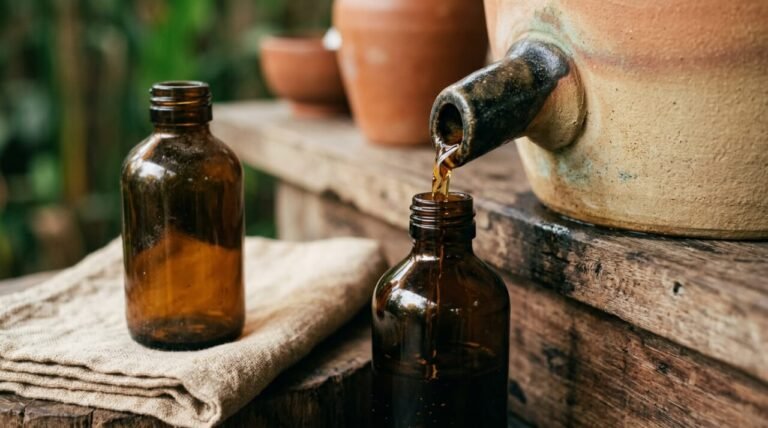
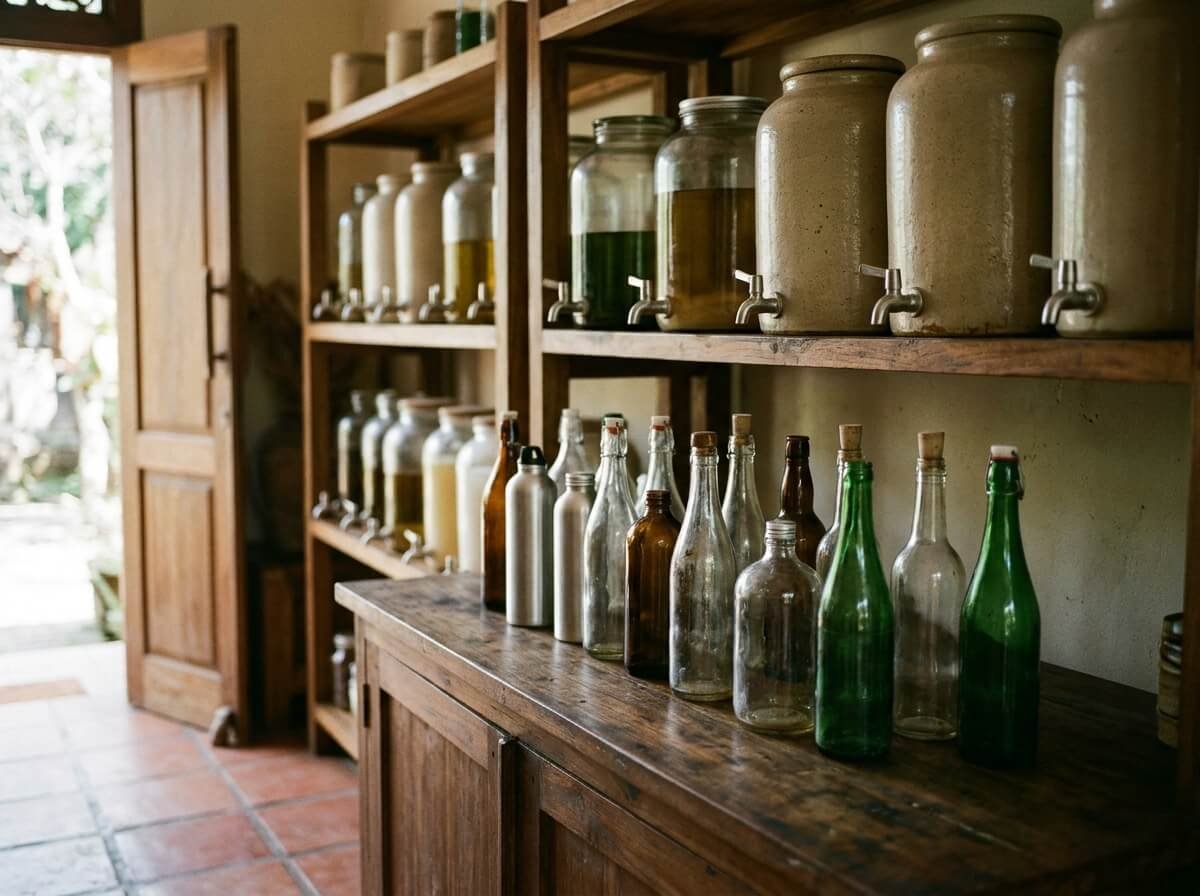
A refill culture grows from the bottom up. It starts because a maker hated throwing bottles away, or because customers kept bringing their jars back, or because refilling was simply how things were done. Refill shops in Bali work this way, and so did markets around the world for most of history, as we wrote in the refill station is older than the word for it. The packaging, pricing, and staff training all grow around the refill, not the other way round.
A retrofit grows from the top down. A product line designed for single use gets a refill format added later, often one hero product at a time. The rest of the business stays the same. This is not automatically bad. Sometimes a retrofit is the honest first step of a real change. But it tends to leave fingerprints, and they are easy to spot once you know them.
Signs of a lived refill culture
- Refill is cheaper than buying new, on purpose. If the refill costs the same or more, the brand is asking you to pay extra for virtue. We price refills below new for exactly this reason, as we explain in the refill costs less, and we meant it to.
- Refill covers the boring products. Liquid soap, dish soap, and laundry detergent refill well and get used up quickly. A program that starts with everyday staples is built for volume, not for a press photo.
- Staff know the process without a script. At a real refill counter, someone can tell you how to clean a bottle, which containers work, and what to do with a pump that has failed.
- There is a number, and it is modest. Real refill programs tend to publish small, specific figures. Big round numbers are often projections.
- The refill works with containers you already own. The most sustainable container is usually the one already in your cupboard, a point at the heart of our guide to zero waste skincare that actually refills.
Signs of a retrofit
- Refill exists for one or two premium products only.
- The refill comes in a sealed pod or pouch that only fits the brand’s own case.
- The program’s launch date matches a regulation headline or an annual report.
- You cannot find out how many refills have been sold, or what happens to returned packaging.
One sign on either list proves nothing. Several on the same side usually tell you which story you are in.
What “refillable” can still hide
Even a sincere refill program can save less than it seems. That is why the word deserves a closer look rather than automatic trust. Here are the most common gaps.
Sachets and pouches
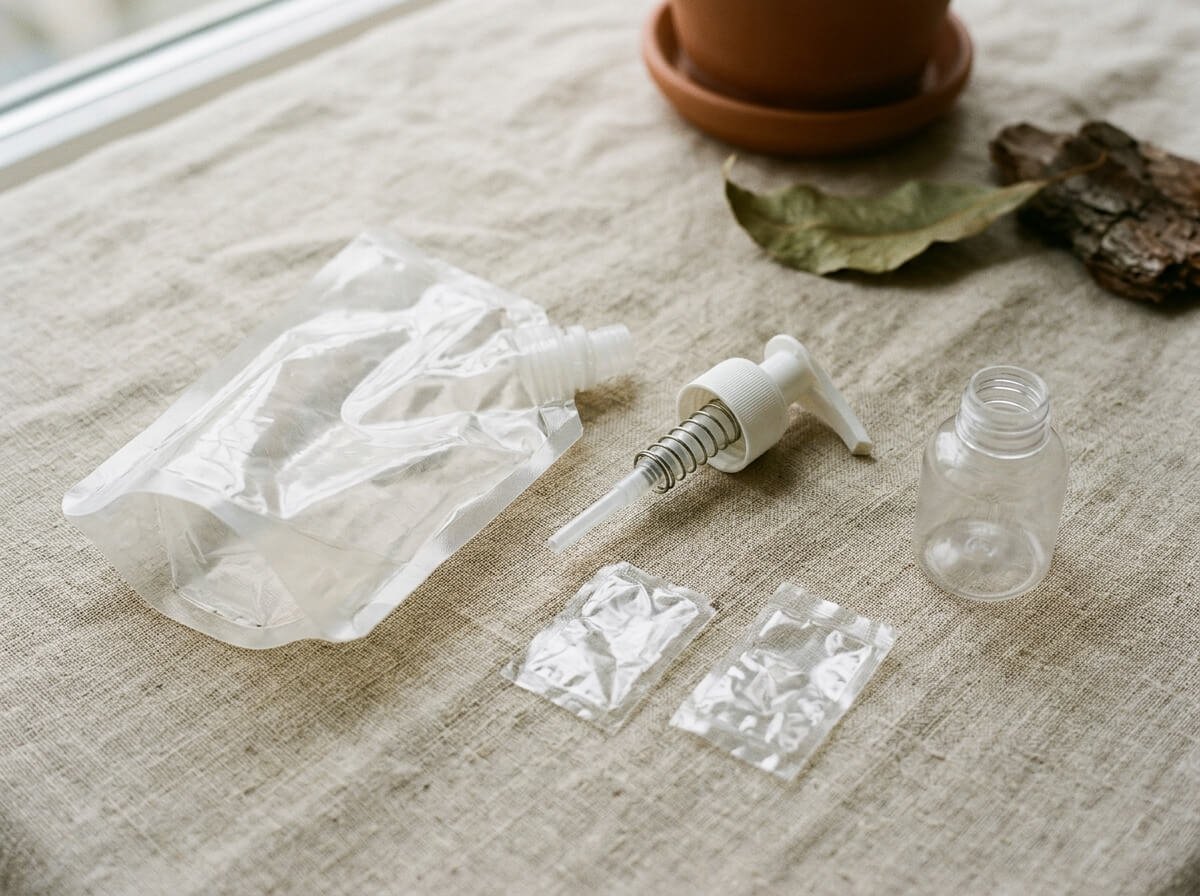
Many refillable cosmetics are refilled from a soft pouch or a small sachet. A pouch often uses far less plastic by weight than a rigid bottle, which is a genuine saving. The catch is that most pouches are made of laminated layers that standard recycling streams cannot separate. You use less material upfront and create a harder-to-handle piece of waste downstream. Sachets are the extreme case: tiny single-use packets that are almost impossible to collect, a problem anyone who has walked a beach in Bali during the rainy season knows well.
Mixed materials
A “refillable” compact may hold a refill cup made of plastic, metal, and adhesive bonded together. The outer case lasts. The insert is still single-use, and often unrecyclable. Some refill pods contain more mixed material than the simple bottle they replaced.
Refill in name only
Some products are refillable in theory and almost never refilled in practice. If a brand does not sell the refill everywhere it sells the original, or if the refill is out of stock more often than not, the refillable design is mostly decoration.
The pump and the cap
Bottles are often the easy part. Pumps contain springs, mixed plastics, and sometimes metal, and they are rarely recycled. A program that refills the bottle but quietly replaces the pump each time has solved only part of the problem. We wrote about this in the pump is the part nobody recycles.

The products that do not refill well yet
Some categories still struggle. Sunscreen, some deodorants, and products that need airless packaging to stay stable are hard to refill safely. A brand that admits this is usually more trustworthy than one that claims everything is refillable. Our note on why not everything in your bathroom can be refilled covers where we draw the line ourselves.
None of this means refillable beauty is a trick. It means the label is the start of the question, not the answer.
What our refill count measures, and what it does not
We ask brands to show their numbers, so here are ours.
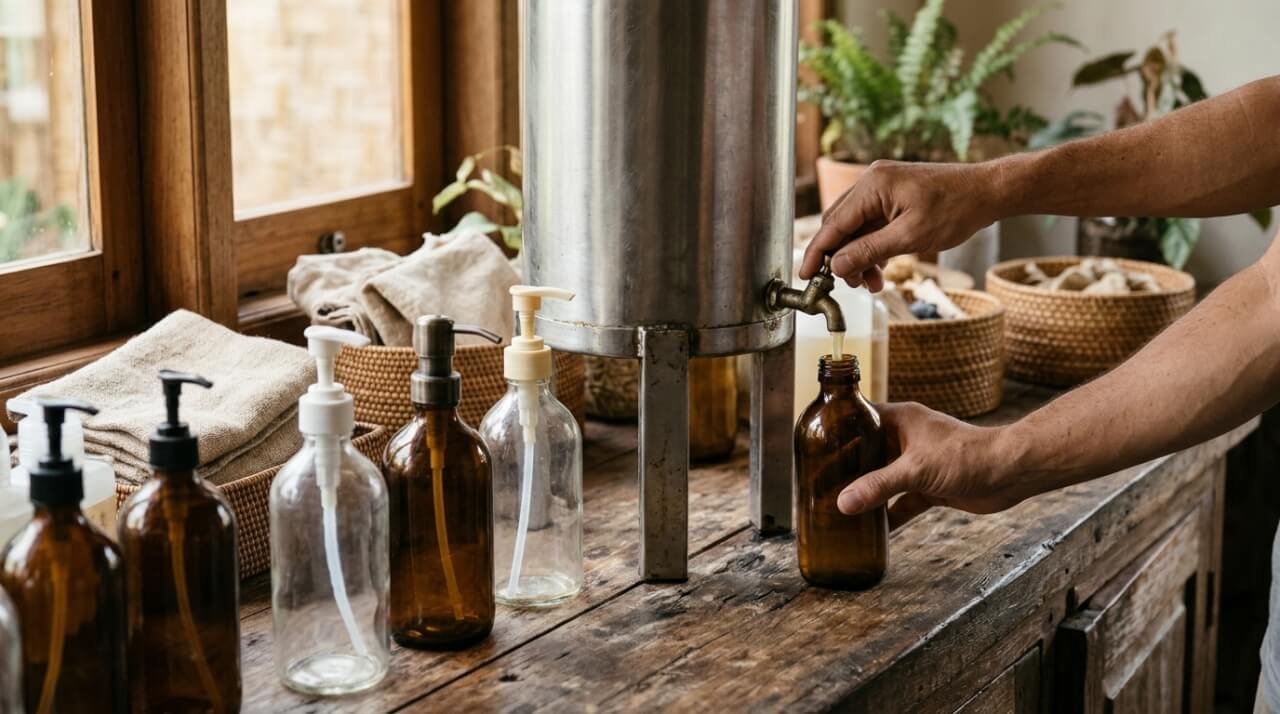
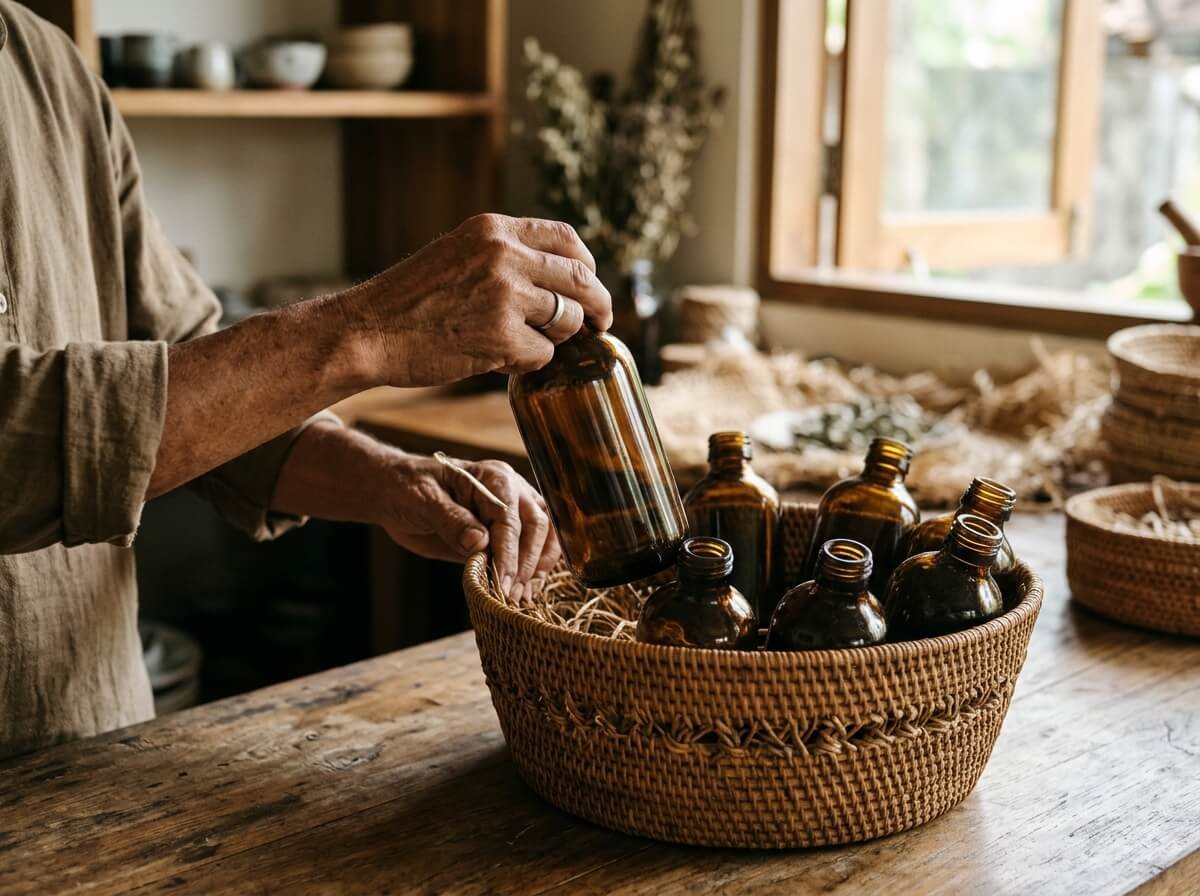
Our refill stations have been part of our shops in Bali for decades, long before refill had a category name. In 2025, our refill program saved 2,245 bottles from landfill. Each of those is a bottle that came back empty, was cleaned and filled, and left again instead of a new one being made. We wrote about that number, and about the people behind it, in two thousand two hundred and forty-five bottles, and counting.
What the number includes
- Bottles that came back through our refill program in 2025 and were filled again instead of being replaced by new ones.
- Refills made in person, where a customer hands an empty container over the counter and leaves with the same container full.
What the number does not include
Honest accounting means naming the gaps too.
- It is not a weight of plastic removed from the ocean. A typical 200 ml plastic bottle weighs roughly 15 to 25 grams, so 2,245 bottles is roughly 33 to 56 kilograms of plastic not made. That is real, and it is modest. We are not going to dress it up.
- It does not count the larger containers bulk product arrives in. Refill stations are filled from bigger vessels. Those have their own footprint, smaller per liter, but not zero.
- It does not cover most online orders. Refill stations work best in person. Most online orders still ship in new packaging, though for some products we offer larger formats such as the Begone Bug Spray 230ml Refill Can and the Begone Bug Spray 1L to cut packaging per use.
- It is not the same thing as plastic credits. Through our partnership with Seven Clean Seas, we fund the removal of plastic equivalent to what we produce. That is a separate commitment, explained in our note on the Seven Clean Seas partnership. We keep the two figures apart on purpose, because blending them would make both look bigger than they are.
Why we publish a small number
A small, specific number is harder to fake than a large, vague one. It also keeps us honest with ourselves. If next year’s count is lower, we will have to explain why. That is the point. A refill program you can measure is one you can improve, and one you can be held to.
If you would like to bring an empty bottle to one of our counters, our Lavender Liquid Soap is the kind of everyday staple our refill culture was built around: you use it daily, it empties steadily, and the bottle is sturdy enough to come back again and again.
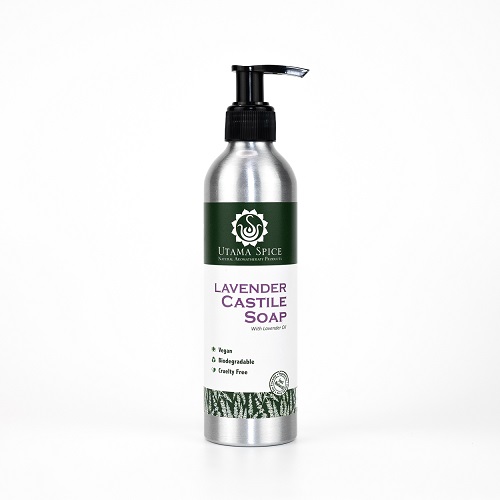
A soap made to come back
Our Lavender Liquid Soap is hand-blended in Bali from coconut oil and lavender essential oil, for daily hand and body washing. It is the kind of everyday staple our refill culture grew around: used daily, emptied steadily, and poured into the same bottle again.
If a brand is new to refillable beauty, ask these questions instead
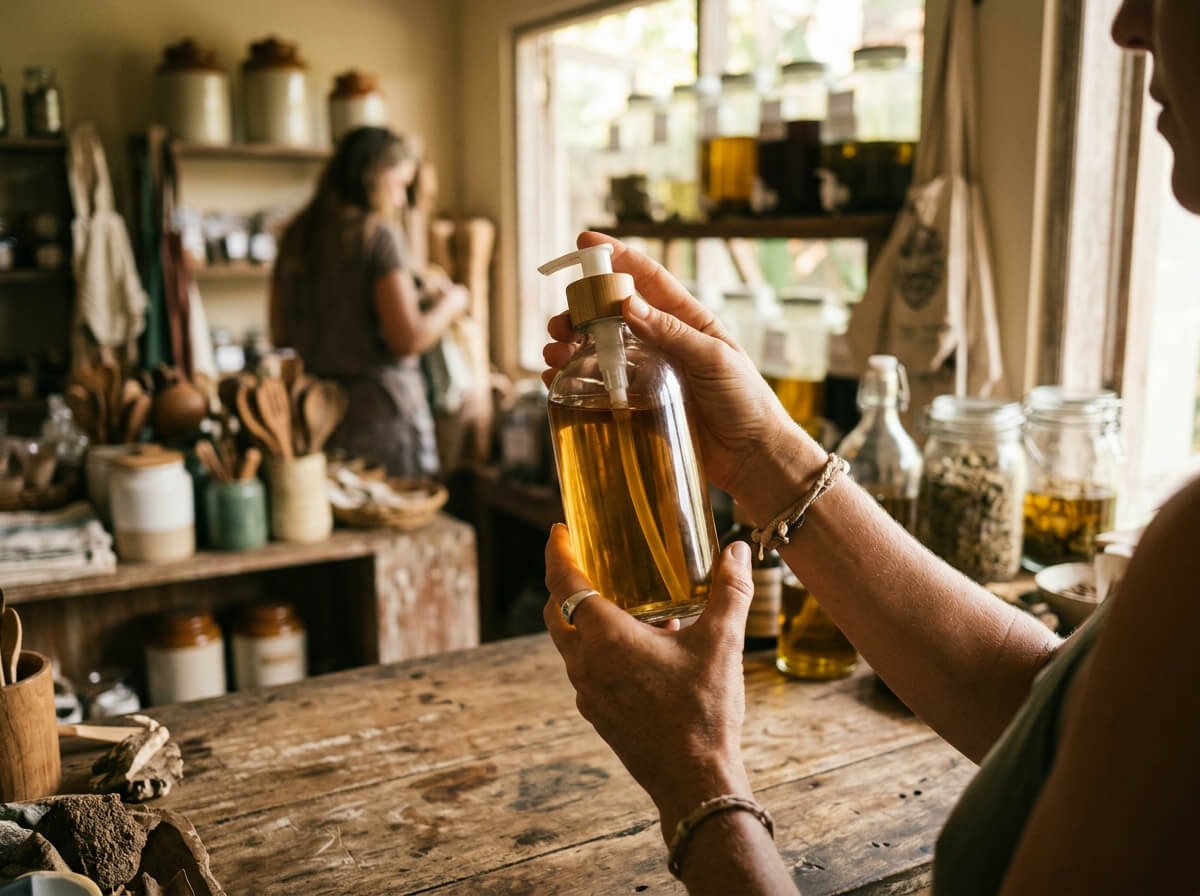
A brand that launched refills in 2026 is not automatically less sincere than one that started decades ago. Every refill culture began somewhere, and today’s retrofit might be next decade’s habit. So instead of judging a program by its age alone, ask questions that reveal whether it is built to last. Our longer guide to choosing a real refill program for body care goes deeper on formats; these are the quick checks.
Five questions worth asking
- Is the refill cheaper than the original, and by how much? A meaningful discount means the brand has built refill into its pricing, not added it as a premium extra.
- What does the refill come in? A pouch, a pod, a can, a bulk container, or nothing at all (your own bottle at a counter). Each has a different footprint, and the brand should be able to tell you which.
- Can the refill go back into a container you already own? Programs that only work with the brand’s proprietary case lock you in. Programs that work with any clean bottle set you free.
- Does the brand publish how many refills it sells? A number, even a small one, signals that someone is counting.
- What happens to packaging at end of life? Ask about pumps, inserts, and pouches specifically. A clear answer is a good sign. A vague one about “recyclable materials” is not, a gap we explore further in where your recycled bottle actually ends up.
What to do with the answers
You do not need full marks. Think of it as a direction of travel. A brand with two good answers and a plan for the rest is worth supporting. A brand with no answers and a glossy launch video may be telling you its refill program is a campaign rather than a commitment.
You can also start closer to home. The easiest refill habits form around the products you empty fastest: dish soap, laundry liquid, and hand soap. Our Natural Dish Soap 500ml and Natural Laundry Detergent 500 ml are the kind of everyday liquids that refill naturally, and the bottles outlast many rounds of use. For more room-by-room ideas, see our refill-first guide to a plastic free bathroom.
Frequently asked questions about refillable beauty
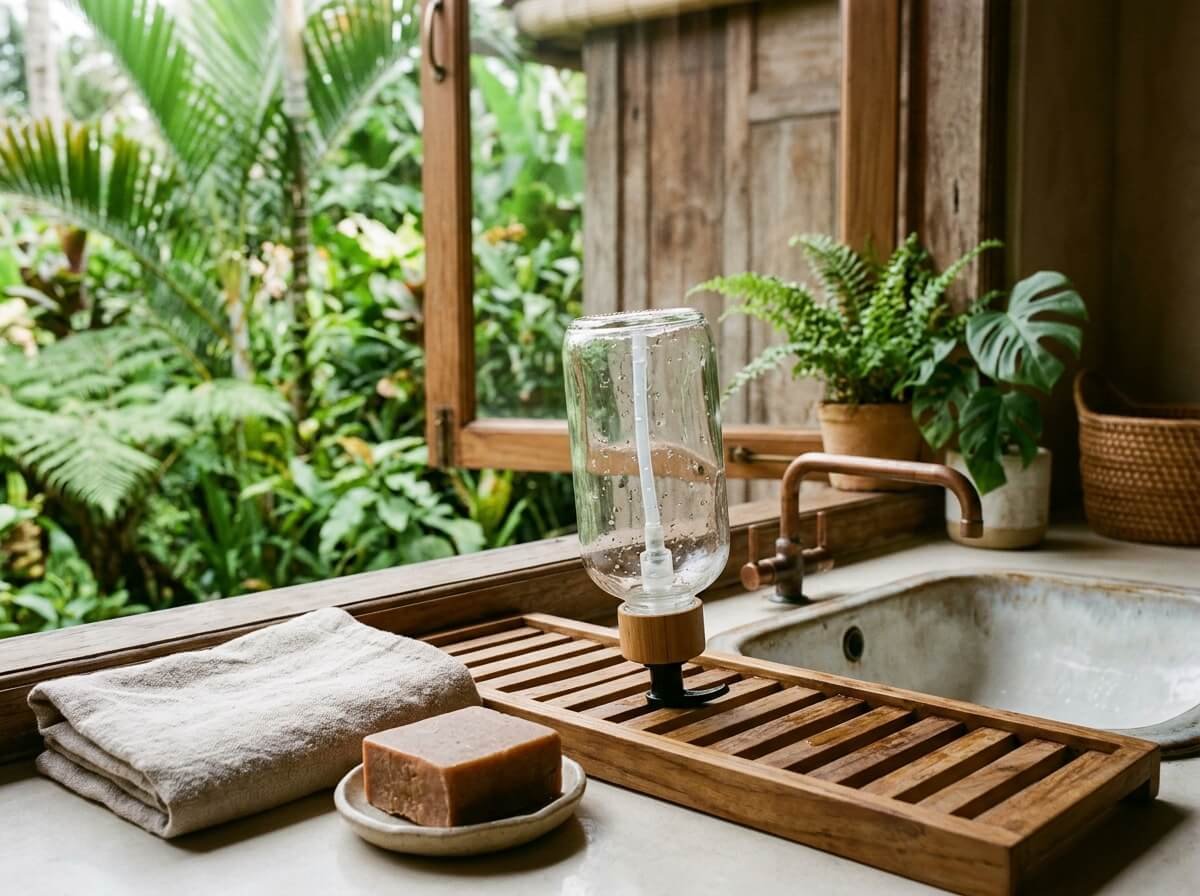
Is refillable beauty better for the environment than recycling?
Usually, yes, when the refill is actually used. Refilling keeps a container in service and avoids making a new one, while recycling spends energy breaking a container down and often fails to recover the material at all. The benefit depends on how many times a container is refilled and on what the refill itself comes in. A bottle refilled from a bulk station many times has a clear advantage. A case refilled once from a mixed-material pod may not.
Are refillable cosmetics required by law in 2026?
Not for beauty products in the EU or Indonesia. The EU’s packaging regulation, which began applying in August 2026, focuses on recyclability, recycled content, packaging size, and labeling. Its bring-your-own-container rules apply to takeaway food and drink. Refill for cosmetics remains a voluntary choice, which is why it says something about the brand that makes it.
Is it hygienic to refill skincare and soap bottles?
It can be, with care. Wash the bottle with hot soapy water, rinse well, and let it dry completely before refilling, because water left inside invites bacteria. Liquid soaps and cleaning liquids refill easily. Leave-on products, especially water-based creams, deserve more caution, and some are better bought fresh. A good refill counter will tell you which is which.
What are the easiest beauty products to refill?
Liquid hand and body soaps, shampoo, conditioner, body oils, and solid butters in jars are the simplest. Our Mint Liquid Soap and similar castile-style soaps are good first refills. Balms and butters such as our Pure Energy Body Butter come in jars that clean out easily for reuse. Sunscreen, deodorant, and airless-pump serums are harder.
How do I tell if a refillable skincare brand is greenwashing?
Look for specifics. A real program names its refill format, publishes a refill count, prices refills below new, and explains what happens to pumps and pouches. Greenwashing tends to rely on mood words and green imagery with no numbers attached. Our guide to clean beauty beyond the label uses the same habit of reading claims for evidence rather than tone.
Refill was never a trend here

In Bali, refilling did not start as a sustainability strategy. It was simply how things were bought. Oil came in the jar you carried to the market. Soap came by weight. The idea that every purchase needs its own new container is much younger than that, a habit that took hold within living memory, as we explored in zero waste is not a trend, it is how Bali always shopped.
That history shapes how we see 2026. We are glad refillable beauty is in the headlines. More refill stations, more refill formats, and more customers asking questions all move things in the right direction. We hope the brands launching refill programs this year keep them going long after the news cycle moves on.
What we would gently ask of everyone, ourselves included, is to keep the word honest. Refill is not a packaging style. It is a relationship: a customer who comes back, a container that keeps working, a counter where someone remembers your bottle. It shows up in pricing, in staff knowledge, and in small numbers counted every year. It is quieter than a launch campaign, and much harder to fake.
So the next time you see refillable beauty on a label, ask one question before anything else: was this here before it was a headline? And then, whatever the answer, bring your empty bottle back. That is where every refill culture begins.
What you give, you get back.