Natural bug repellent for skin: plant-based solutions that actually work
When warm weather arrives and outdoor adventures beckon, so do mosquitoes, gnats, and biting flies. Finding a natural bug repellent for skin that genuinely works, without relying on synthetic chemicals like DEET or permethrin, is a priority for anyone who reads ingredient labels and cares about what touches their body. The good news: plant-based science has come a long way since the days of citronella candles alone.
This guide explores the most effective botanical ingredients for repelling insects from your skin, examines the research behind each one, and offers practical advice for choosing or making formulations that offer real protection. Whether you are heading into a Balinese rice field, a Pacific Northwest trail, or your own backyard garden, understanding which plant compounds repel insects (and why) puts you in control of your outdoor comfort.
Why choose a natural bug repellent for skin

Natural bug repellents work differently. Instead of confusing an insect’s sensory receptors through synthetic chemistry, plant-based repellents use volatile organic compounds, terpenes and terpenoids, that insects have evolved to avoid. Citronellal, geraniol, eucalyptol, and linalool are among the most studied. These compounds evaporate from the skin’s surface, creating an aromatic barrier that mosquitoes and other biting insects find unpleasant.
The trade-off is duration. Most plant-based formulas protect for 30 minutes to three hours per application, compared with six to eight hours for DEET-based products. Reapplication becomes part of the ritual. For many conscious consumers, that exchange, shorter intervals for cleaner chemistry, is well worth it.
The most effective natural bug repellent ingredients backed by science
Oil of lemon eucalyptus (OLE)
Oil of lemon eucalyptus (Corymbia citriodora) is the only plant-derived ingredient the CDC recognises as effective against mosquitoes carrying diseases like Zika, West Nile, and dengue. Its active compound, para-menthane-3,8-diol (PMD), provides protection comparable to low-concentration DEET in laboratory and field studies. A 30% PMD formulation can protect for up to six hours, matching synthetic alternatives.
Citronella
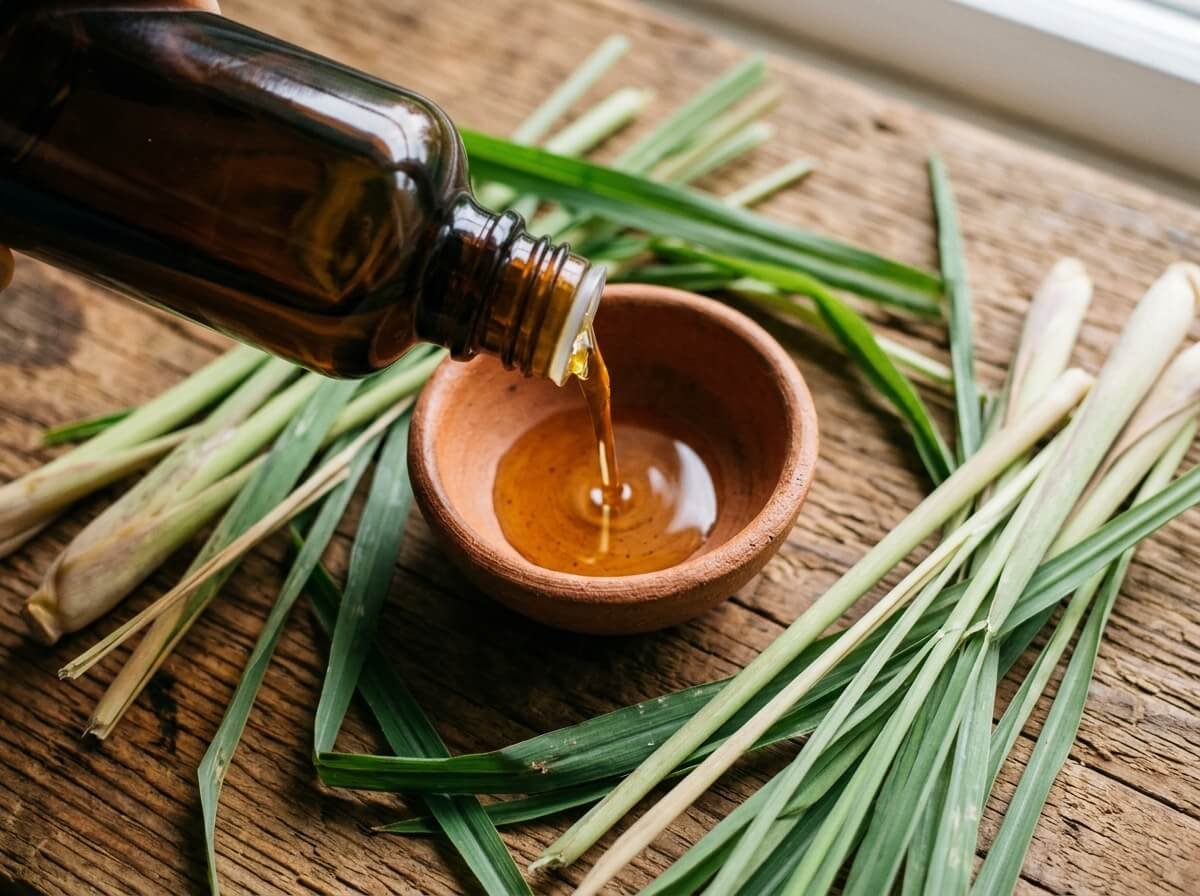
Derived from Cymbopogon nardus and C. winterianus grasses, citronella is the most widely recognised natural repellent ingredient. Research confirms it repels mosquitoes effectively for 30 minutes to two hours depending on concentration and formulation. Its limitation is volatility: citronella evaporates quickly in warm air, requiring frequent reapplication. Combining citronella with a fixative like vanillin extends its protective window significantly.
Lemongrass
Closely related to citronella, lemongrass (Cymbopogon citratus) contains high concentrations of citral and geraniol. A 2019 systematic review found lemongrass oil effective against Aedes aegypti mosquitoes at concentrations above 10%. In Bali, lemongrass grows abundantly and has been used in traditional households for generations, both as a cooking staple and an insect deterrent. Understanding the benefits of essential oils like lemongrass helps explain why these plants have been valued for centuries.
Neem
Neem (Azadirachta indica) contains azadirachtin, a compound that disrupts insect feeding and reproduction. Applied to skin, neem oil provides protection against mosquitoes for one to three hours. Its earthy, garlic-like scent is less appealing than citrus-based options, but its efficacy against a broad spectrum of insects, including mosquitoes, sandflies, and midges, makes it a valuable formulation ingredient, particularly in tropical regions.
Cedarwood
Cedarwood oil is toxic to house flies and several mosquito species. A 2022 study showed it repels multiple tick species as well. Traditional use in wardrobes to repel moths hints at its broad-spectrum insecticidal properties. For skin application, cedarwood blends well with lighter citrus oils, adding a grounding woody base note while extending repellent duration.
How to choose a natural bug repellent for skin that works

Active ingredient concentration. Look for products listing essential oil concentrations of 10% or higher. Below this threshold, most botanicals evaporate too quickly to provide meaningful protection. Oil of lemon eucalyptus products should contain at least 20% PMD for reliable mosquito repellency.
Carrier base. The carrier determines how long active ingredients stay on your skin. Alcohol-based sprays evaporate quickly but feel light. Oil-based formulas last longer but can feel heavy in humidity. Look for carriers that include fixatives like vanillin, coconut oil, or castor oil, which slow evaporation of volatile compounds.
Broad-spectrum formulation. Single-oil products rarely work as well as blends. The most effective natural repellents combine three or more active botanicals. A blend of citronella, lemongrass, and eucalyptus covers a wider range of insect species than any single ingredient alone. Our guide to essential oil blends explores how combining botanicals creates synergy beyond what individual oils achieve.
What to avoid. Steer clear of products that list “fragrance” or “parfum” as an ingredient, as these may contain synthetic compounds that contradict the purpose of choosing a natural option. Also avoid products with parabens or phthalates in the preservative system.
If you want to experience the protective power of Balinese botanicals in a ready-to-use format, our Begone Bug Spray uses an all-natural formula designed for direct skin application, with a refill system that eliminates single-use plastic bottles.
Making your own natural bug repellent for skin at home
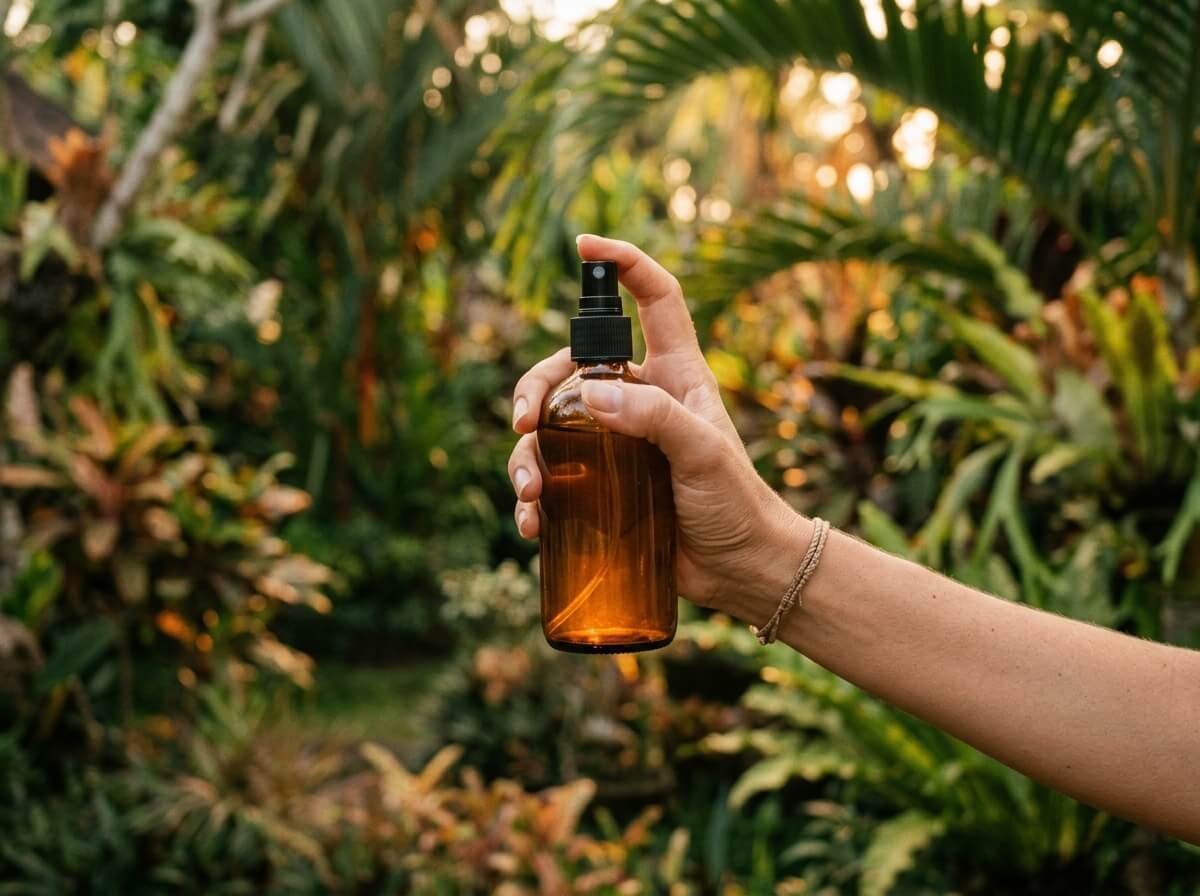
For those who prefer a hands-on approach, creating a DIY natural bug repellent is straightforward. The key principles: use a stable carrier, combine multiple active oils, and add a fixative to extend protection time.
Basic spray recipe
- 60 ml witch hazel (acts as emulsifier and mild astringent)
- 60 ml distilled water
- 15 drops citronella essential oil
- 10 drops lemongrass essential oil
- 10 drops eucalyptus essential oil
- 5 drops cedarwood essential oil
- 5 drops lavender essential oil (also soothes existing bites)
- Half a teaspoon of vegetable glycerin (fixative, helps oils adhere to skin)
Combine witch hazel and glycerin in a glass spray bottle. Add essential oils one at a time. Top with distilled water and shake vigorously before each use. Apply to exposed skin every 60 to 90 minutes. Store in a cool, dark place; the blend keeps for approximately three months before potency diminishes.
Oil-based body formula (longer lasting)
For extended outdoor sessions, an oil-based formula provides longer protection because the carrier evaporates more slowly. Mix 30 ml of virgin coconut oil with 20 drops total of your chosen essential oil blend. Coconut oil itself has mild insect-repellent properties and doubles as a moisturiser. Apply to pulse points, ankles, wrists, and the nape of the neck, areas where body heat helps disperse the aromatic compounds.
If you have explored our earlier guide on making your own natural bug spray, these upgraded recipes build on the same principles with improved fixation techniques.
Application tips for maximum protection

Apply to all exposed skin, not just arms. Mosquitoes target ankles, feet, the back of the neck, and hairline areas that people often miss. Sandflies bite lower legs almost exclusively. Cover every exposed surface evenly.

Reapply after swimming or heavy sweating. Water and perspiration wash away botanical compounds faster than synthetic ones. Set a timer on your phone for 60- to 90-minute intervals during active outdoor time.
Layer with sunscreen correctly. If using both natural sunscreen and insect repellent, apply sunscreen first. Let it absorb fully (10 to 15 minutes), then apply repellent on top. This prevents the sunscreen from diluting the repellent’s active compounds.
Choose the right time of day. Dawn and dusk are peak mosquito hours. Apply more generously during these windows. Midday in full sun, insects are less active and heat helps disperse your repellent’s volatile compounds further from the skin, creating a wider protective zone.
Complement topical protection with environmental strategies. Wearing loose, light-coloured clothing reduces exposed skin. Mosquitoes are attracted to dark colours and tight fabrics that allow them to bite through. A fan creating air movement also disrupts their ability to land. These simple layering strategies work alongside your topical natural bug repellent for skin to create comprehensive protection.
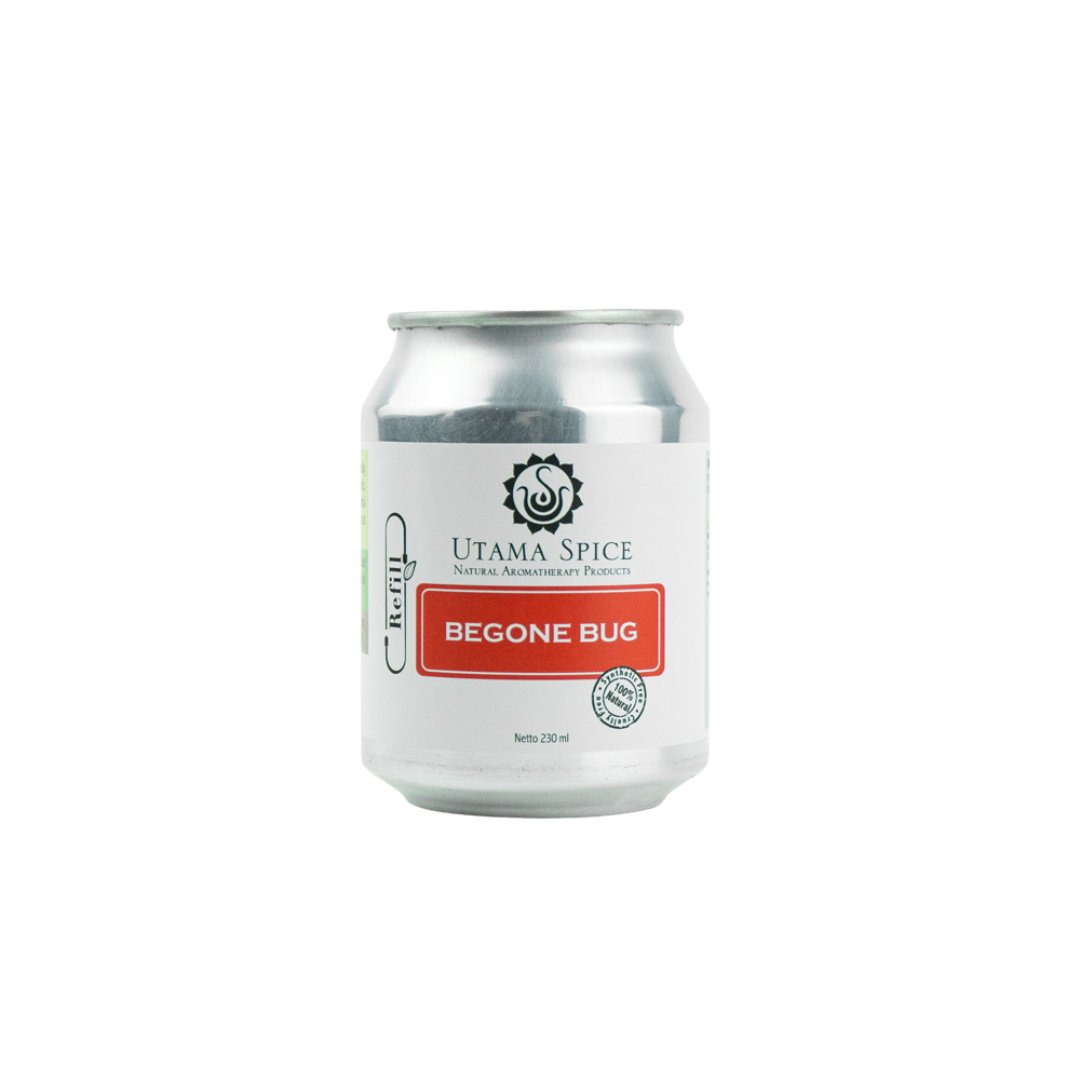
Natural protection, refill format
Our Begone Bug Spray uses an all-natural botanical formula crafted in Bali. The 230ml refill can pours into your existing spray bottle: same protection, less waste, two dollars saved every time.
Natural bug repellent for skin: safety considerations

Patch test first. Before applying any new repellent formula to large skin areas, test a small amount on the inner wrist and wait 24 hours. Some people react to specific botanicals, particularly cinnamon oil and clove oil, which can cause contact dermatitis at high concentrations.
Children under three. The CDC recommends against using oil of lemon eucalyptus products on children younger than three years. For babies and toddlers, physical barriers (mosquito nets, long sleeves, stroller covers) remain the safest approach. Mild lavender-based formulas at low concentrations are generally considered safe for children over six months, but consult your paediatrician first.
Pregnancy. Most plant-based repellents are considered safe during pregnancy, but some essential oils (pennyroyal, in particular) should be strictly avoided. Oil of lemon eucalyptus and citronella-based products are generally well-tolerated, though consulting a healthcare provider before use is always wise.
Sensitive or reactive skin. If you have eczema, rosacea, or highly reactive skin, an aloe vera gel base may be gentler than witch hazel or alcohol carriers. You can also apply repellent to clothing rather than directly to skin in sensitive areas.
Eyes and mucous membranes. Never apply essential oil-based repellents near the eyes, inside the nose, or on broken skin. Use the spray-and-spread method: mist onto hands first, then pat onto the face, avoiding the eye area entirely.
Frequently asked questions about natural bug repellent for skin
How long does natural bug repellent last on skin?
Most plant-based repellents protect for 30 minutes to three hours per application, depending on the active ingredients and their concentration. Oil of lemon eucalyptus (PMD) provides the longest protection among natural options, with some formulations lasting up to six hours. Reapplication is part of the practice.
Is natural bug repellent safe for daily use?
Yes. Properly diluted botanical repellents are safe for daily application on adult skin. Unlike DEET, which can accumulate in fatty tissue with chronic use, plant-based volatile compounds dissipate completely between applications. Choose formulas with carrier oils that also nourish the skin, such as coconut or jojoba.
What is the strongest natural insect repellent?
Oil of lemon eucalyptus (containing 30% PMD) is the strongest EPA-registered natural repellent. For non-registered options, neem oil at 20% concentration and lemongrass oil at 15% concentration also show strong efficacy in clinical studies. Combination blends outperform single ingredients.
Can I use natural bug repellent on my face?
Yes, with care. Spray onto your palms first, then pat gently onto cheeks, forehead, and chin, avoiding the delicate eye area. If you have particularly sensitive facial skin, applying repellent only to the perimeter (hairline, jawline, behind ears) creates a sufficient aromatic barrier without direct facial contact.
Do natural repellents work against ticks?
Some do. Cedarwood oil and geraniol show efficacy against ticks in laboratory settings. However, tick prevention requires more aggressive strategies than mosquito avoidance: tucking trousers into socks, wearing treated clothing, and performing full-body tick checks after outdoor time remain essential regardless of which repellent you use.
Choosing plant-based protection with confidence
The shift toward natural bug repellent for skin reflects a broader change in how we think about personal care: reading ingredient lists, questioning what we absorb through our largest organ, and preferring solutions that work with the body rather than against it. The science supports this approach. Oil of lemon eucalyptus, citronella, lemongrass, neem, and cedarwood all demonstrate measurable insect-repellent properties in controlled studies.
The best approach combines informed ingredient selection with proper application technique. Reapply at regular intervals, cover all exposed skin, and consider the context: a light citronella spray suffices for a backyard dinner, while a concentrated neem and eucalyptus oil blend suits a tropical hiking trail. If you are building a complete outdoor wellness kit, consider pairing your repellent with a gentle natural face oil for post-sun recovery, and natural incense sticks containing citronella for ambient area protection on your terrace.
Protection does not require compromise. Plant-based formulations let you spend time outdoors on your own terms, knowing that what touches your skin comes from the same source as the world you are stepping out to enjoy.