Coconut oil vs shea butter: an honest, climate-first guide
The coconut oil vs shea butter question sounds simple, and most guides answer it in one line: coconut oil for one thing, shea butter for another. The truth is more useful, and more honest. These two botanicals come from opposite climates, carry different fatty acids, and behave very differently once they meet your skin. One is a light, fast-absorbing oil pressed from a tropical palm. The other is a dense, protective butter from the West African savanna. Knowing which does what, and why, is the difference between skin that feels balanced and skin that feels either greasy or starved.
We have hand-blended botanical care in Bali since 1989, and coconut is woven through much of our line. So we will not pretend one ingredient wins every round. Instead, this guide compares them the way a formulator would: origin, chemistry, feel, and honest limits. Along the way we will name the option most comparisons quietly skip, a wild-harvested Southeast Asian butter that behaves like shea but carries a very different story. By the end, you will know exactly which to reach for, and when.
Coconut oil vs shea butter: two botanicals, two very different origins
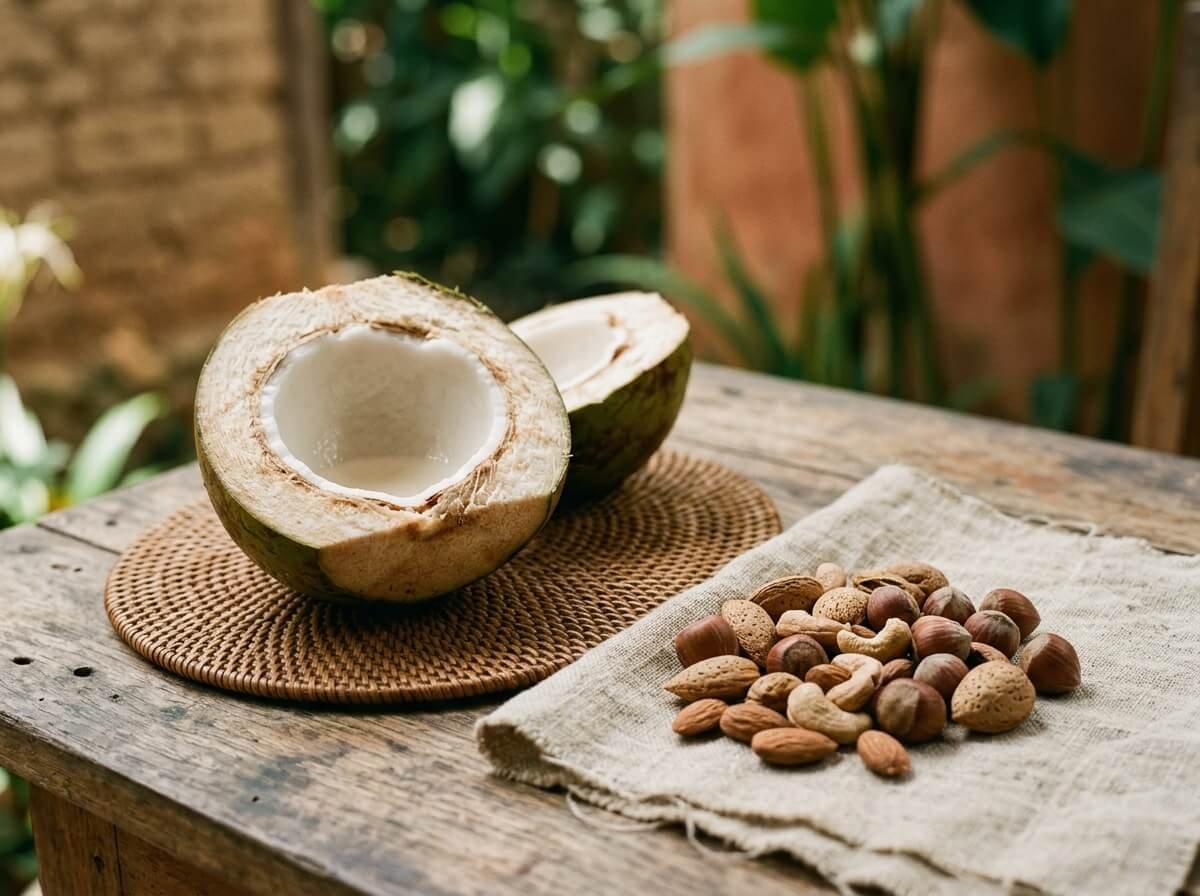
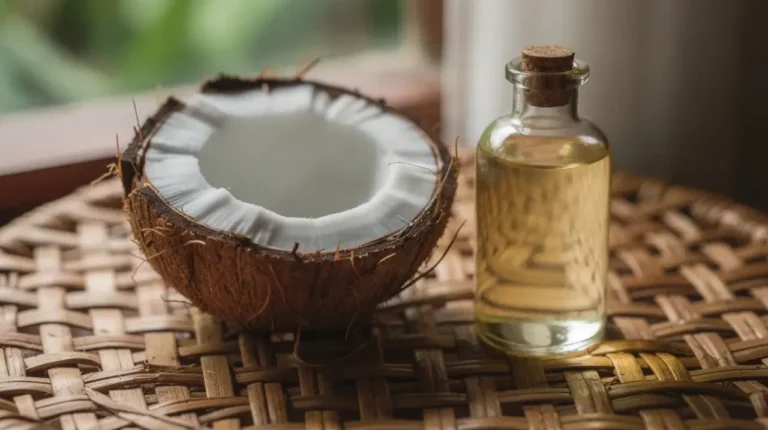
Before we compare how they feel, it helps to know where they grow, because climate shapes chemistry. Coconut oil is pressed from the dried or fresh flesh of Cocos nucifera, the coconut palm that lines tropical coastlines from Bali to the Pacific. Ours is cold-pressed from Bali coconut plantations through our Aluan partnership, a sourcing choice that supports both local livelihoods and the coastal habitats these palms belong to. Coconut oil is a true oil: liquid in tropical warmth, semi-solid below roughly 24 degrees Celsius, and quick to melt the moment it touches skin.
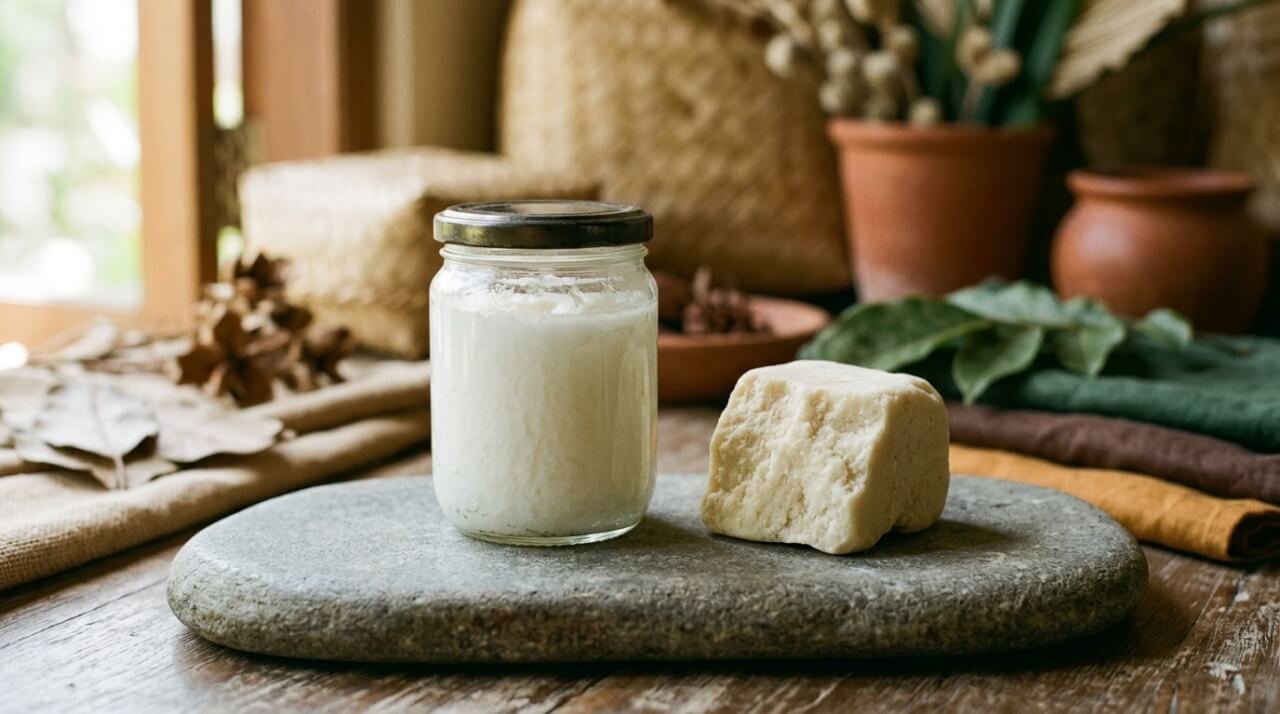
Shea butter is a different creature entirely. It is pressed from the nut of the shea tree, Vitellaria paradoxa, which grows across the dry savanna belt of West Africa. It is a butter, not an oil: firm and waxy at room temperature, melting only at skin contact. That density is not a flaw, it is the point. A tree that survives long savanna dry seasons produces a fat built to hold and protect, and that protective quality carries straight into how it works on the skin barrier. Two plants, two climates, two jobs.
This origin gap matters for anyone who cares about sourcing. Coconut travels a short, traceable path in our line. Shea, by contrast, is a global commodity, and quality ranges from raw, unrefined, and nutrient-rich to heavily bleached and deodorized. If you want to understand why provenance changes what you put on your skin, our guide to why coconut oil is good for skin walks through the same sourcing logic in more depth.
How each one works on your skin

Skincare oils and butters do two broad things: they add emollience (softening and smoothing the surface) and they add occlusion (slowing water loss from the skin). The balance between those two jobs comes down to fatty acid profile, and this is where coconut oil and shea butter diverge most.
Coconut oil is dominated by lauric acid, a medium-chain saturated fat that makes up close to half its content. Medium-chain fats are small and mobile, which is why coconut oil feels light and absorbs fast. Lauric acid also has documented antimicrobial activity, which is part of why coconut oil has such a long history in traditional care. The trade-off is that coconut oil is only a modest occlusive. It sits closer to the surface and does less to seal in deep hydration on very dry or compromised skin.
Shea butter is built from longer-chain fats, mainly stearic and oleic acids, plus an unusually high level of unsaponifiables: the vitamin-rich, non-fat fraction (including vitamin E and plant sterols) that gives shea its reputation for soothing and barrier support. Those longer chains and waxy esters make shea a stronger occlusive and a richer emollient. It does more to hold moisture in and to buffer skin against dry air. In short: coconut oil is the nimble one, shea butter is the protector. Neither is universally better; they are tuned for different needs.
- Coconut oil: light, fast-absorbing, antimicrobial, modest occlusion.
- Shea butter: rich, protective, high in soothing unsaponifiables, strong occlusion.
- Shared ground: both are plant-derived, fragrance-optional, and gentle enough for daily ritual when sourced well.
Shelf life is worth a word here too, because it shapes how you store and use each one. Coconut oil is highly saturated and slow to oxidize, so it keeps for a long time in a cool, dark cupboard without turning rancid. Raw shea is more delicate: its unsaponifiable, vitamin-rich fraction is exactly the part that fades with heat, light, and time, so it rewards cooler storage and steadier use. This is another quiet argument for meeting shea inside a well-made blend rather than a forgotten tub of raw butter, and for buying in sizes you will actually finish while the good part is still doing its work.
Coconut oil, honestly: what it does well, and where it falls short
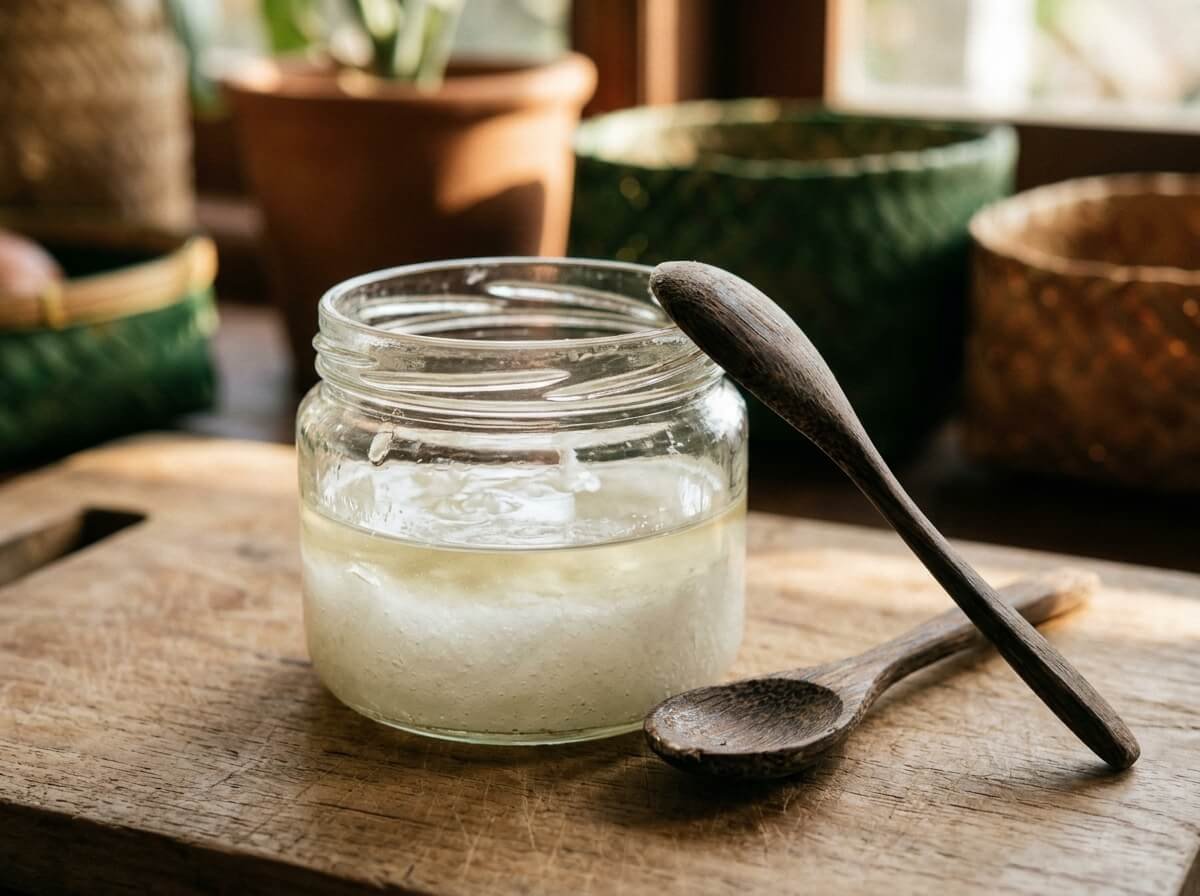
Coconut oil earns its place through versatility. It melts on contact, spreads thin, and absorbs without the heavy residue of a butter, which makes it a natural choice for body massage, for softening dry patches, and for sealing damp hair. It is a capable cleansing oil too, dissolving sunscreen and grime before you rinse. Cold-pressed, unrefined coconut oil keeps more of its aroma and its lauric-acid character than the refined kind, which is why we keep our Virgin Coconut Oil minimally processed.
Now the honest part. Coconut oil carries a comedogenic rating of around four on a scale that tops out at five, which means it can clog pores for some people, particularly on acne-prone facial skin. That does not make it bad, it makes it situational. Plenty of people use it on the face without trouble; others break out. The grounded approach is to treat the face and the body as different territories, patch test, and not assume that because a botanical is natural it suits every skin type. We compare coconut against its Pacific cousin in our look at kukui oil vs coconut oil, which is worth reading if facial breakouts are your concern, since kukui absorbs far lighter.
Coconut oil is also, on its own, a single-note ingredient. It softens and seals, but it does not deliver the fuller barrier support of a well-built butter or blend. For many people the smartest use is not raw coconut oil at all, but a formulation that pairs it with butters and botanicals that cover its blind spots. Our older field guide to the benefits of coconut oil in skincare and hair lays out where it genuinely shines.
Shea butter, honestly: rich protection, and what to check before you buy
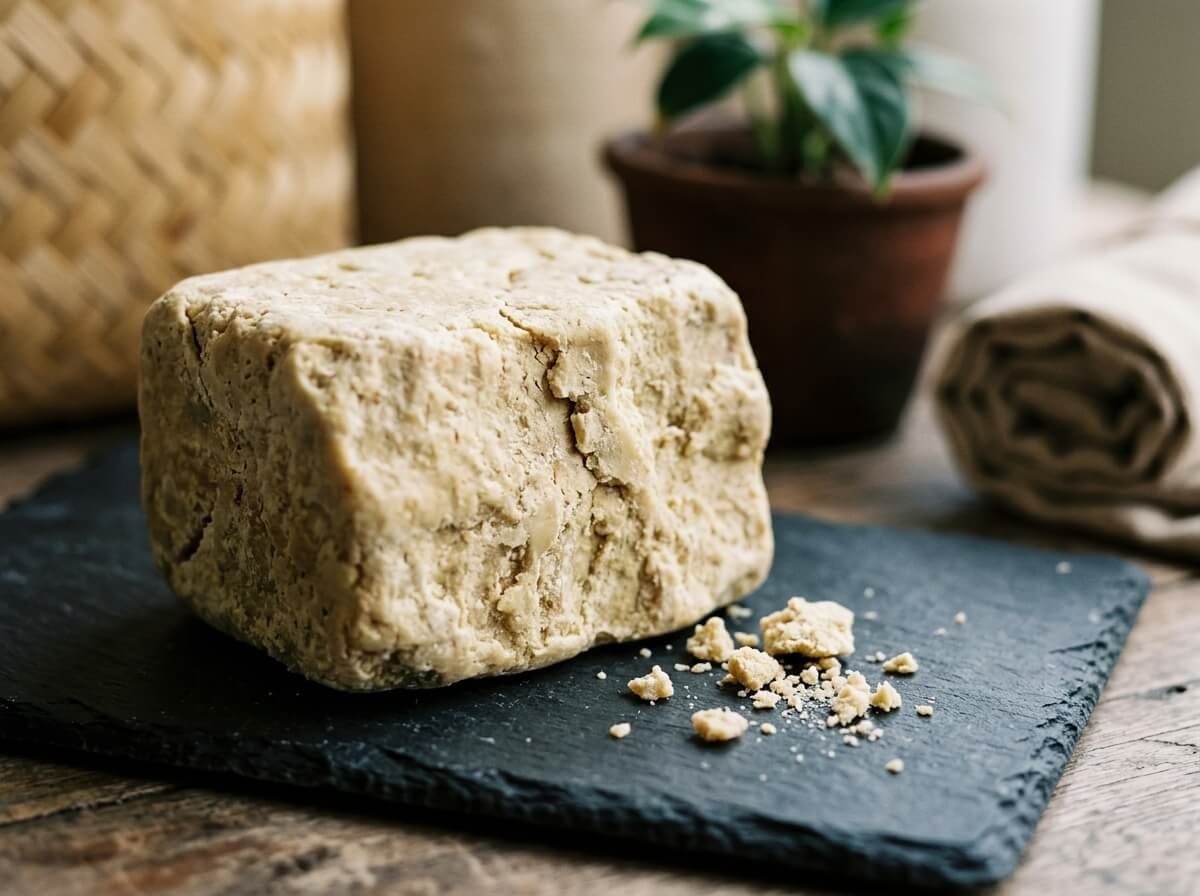
Shea butter is the one to reach for when skin is dry, wind-chapped, or simply asking for more. Its longer-chain fats and rich unsaponifiables make it deeply softening and genuinely protective, which is why it turns up in balms, hand creams, and body butters meant for hard-working skin. It has a low comedogenic rating, so it tends to sit more comfortably on the face than coconut oil does, and its soothing reputation is well earned on rough elbows, heels, and cuticles.
The honest caveat with shea is not about the butter itself, it is about what happens to it before it reaches you. Raw, unrefined shea is ivory to pale yellow, carries a soft nutty scent, and keeps its vitamin-rich fraction intact. Highly refined shea is bright white, odorless, and stripped of much of what made it worth using. When you shop, look for the words raw or unrefined, and be wary of a shea product that smells of nothing at all. A faint natural aroma is a sign the good part survived.

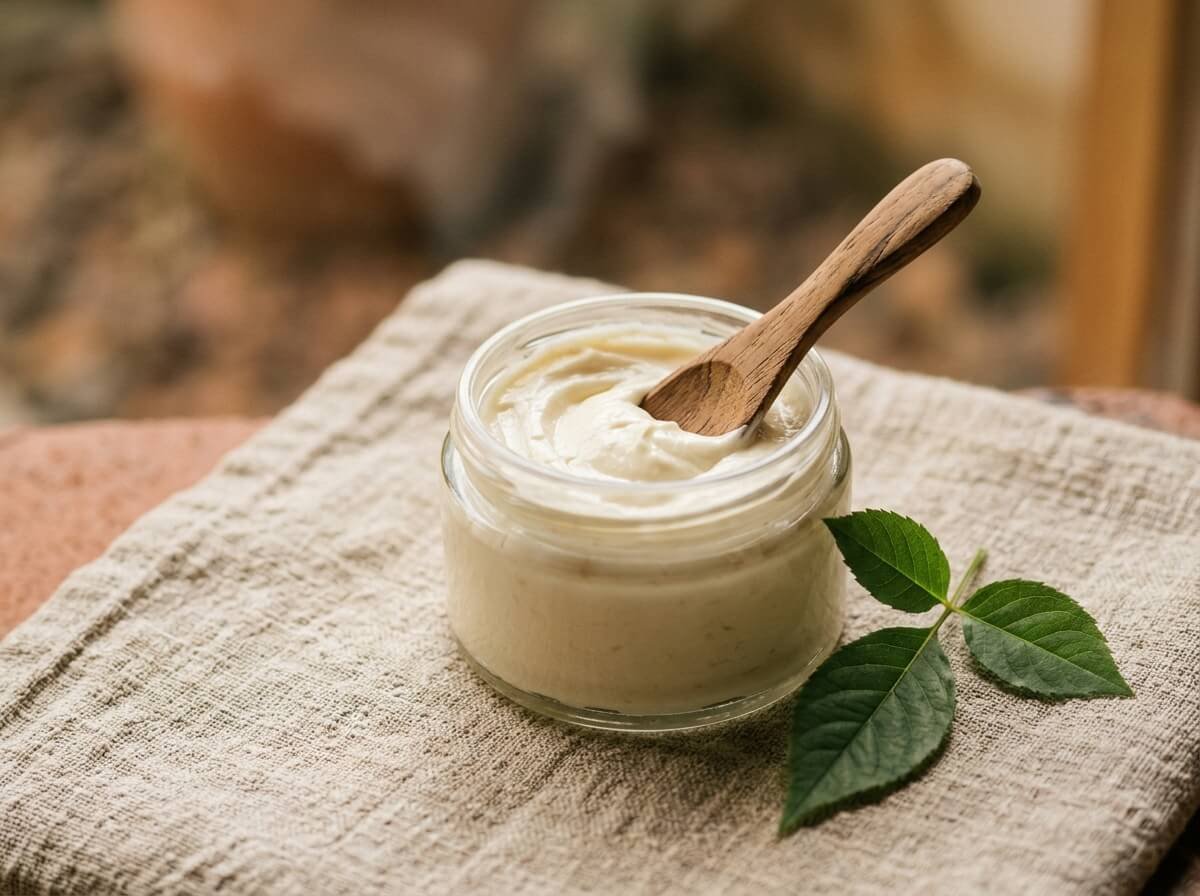
Texture is the other thing to weigh. Pure shea can feel waxy and grainy if it is not properly whipped or blended, and it takes longer to sink in than coconut oil. That is why most people meet shea not as a raw block but inside a body butter, where it is softened with lighter oils into something that spreads easily and absorbs cleanly.
Coconut oil vs shea butter for face, body, and hair
Once you know how each behaves, matching them to a job gets easy. Think in terms of what the skin or hair is asking for, not which ingredient is trendier this season. Here is the comparison at a glance before we break it down by area.
- Texture: coconut oil is a light oil that melts on contact; shea is a dense butter that needs warming and blending.
- Absorption: coconut sinks in fast; shea sits longer and protects.
- Best for oily or acne-prone skin: shea, or a lighter oil, over raw coconut.
- Best for very dry or chapped skin: shea butter, hands down.
- Hair penetration: coconut oil leads; shea seals the outside.
- Sourcing to check: coconut, look for cold-pressed and virgin; shea, look for raw and unrefined.
- Face: if you are acne-prone, lean toward shea butter or a lighter oil over raw coconut oil, and patch test first. If your skin tolerates coconut, it makes a fine overnight balm.
- Body: coconut oil for a light, fast massage on already-soft skin; shea butter (or a shea-rich body butter) for dry, rough, or weather-worn areas that need protection that lasts.
- Hair: coconut oil is one of the few oils shown to penetrate the hair shaft and reduce protein loss, which makes it excellent as a pre-wash treatment. Shea is better on the ends and scalp as a leave-in for sealing and taming frizz.
- Climate: in humid heat, the lighter coconut oil feels better. In dry cold, shea’s staying power wins.
For daily body care, a blended butter usually beats either ingredient on its own, because a good formulation gives you shea’s protection with the slip of lighter oils. Our Pure Energy Body Butter is built exactly this way, and if you are still weighing textures, our guide to body oil vs body butter unpacks which format suits which routine. For hair, a purpose-built blend like our Herbal Silk Hair Oil pairs penetrating oils with botanicals so you are not relying on coconut alone.
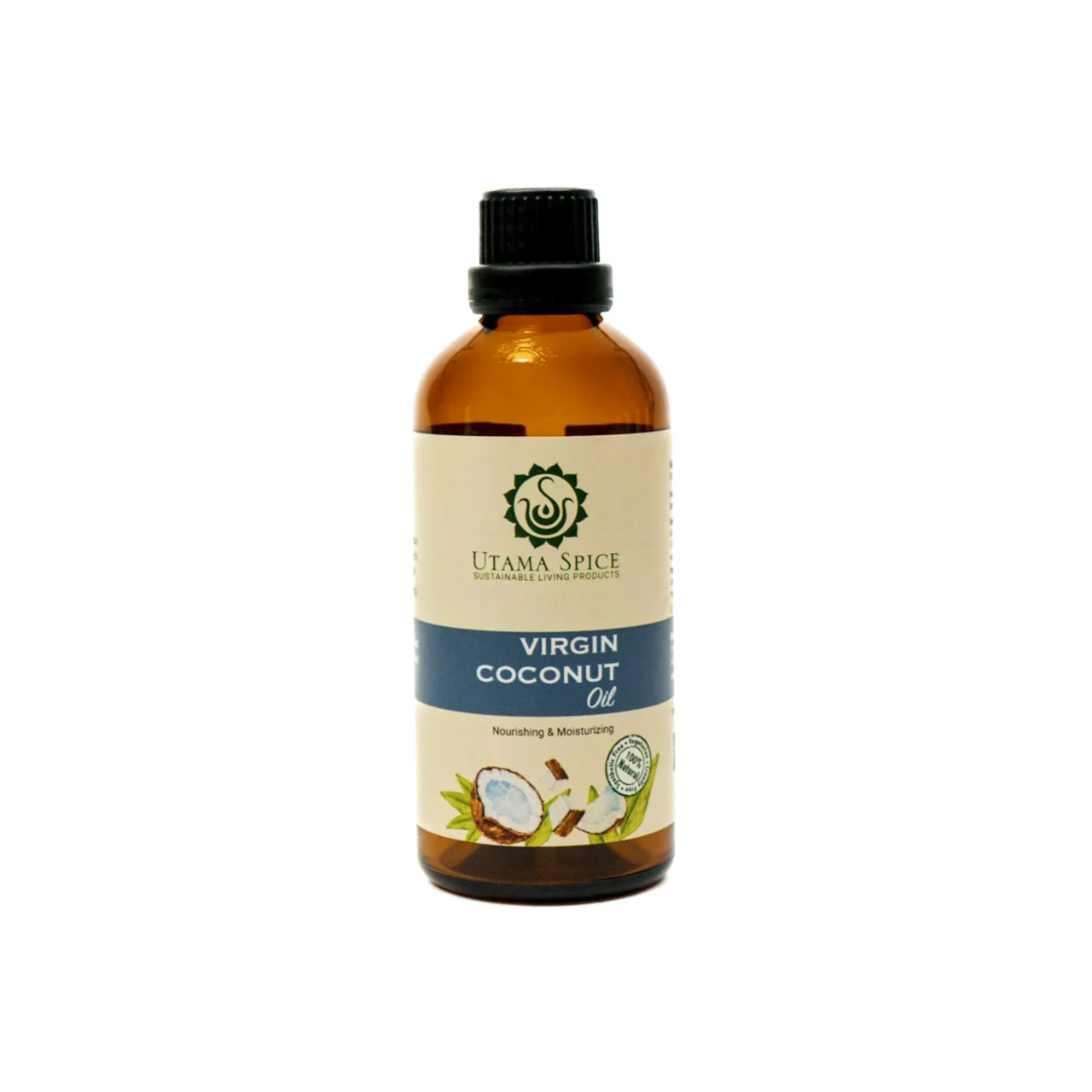
The coconut oil in this guide
Cold-pressed from Bali coconuts through our Aluan partnership and kept minimally processed, our Virgin Coconut Oil is the light, fast-absorbing half of a well-built routine. One ingredient, honestly sourced, endlessly useful.
The option most comparisons miss: wild-harvested illipe butter
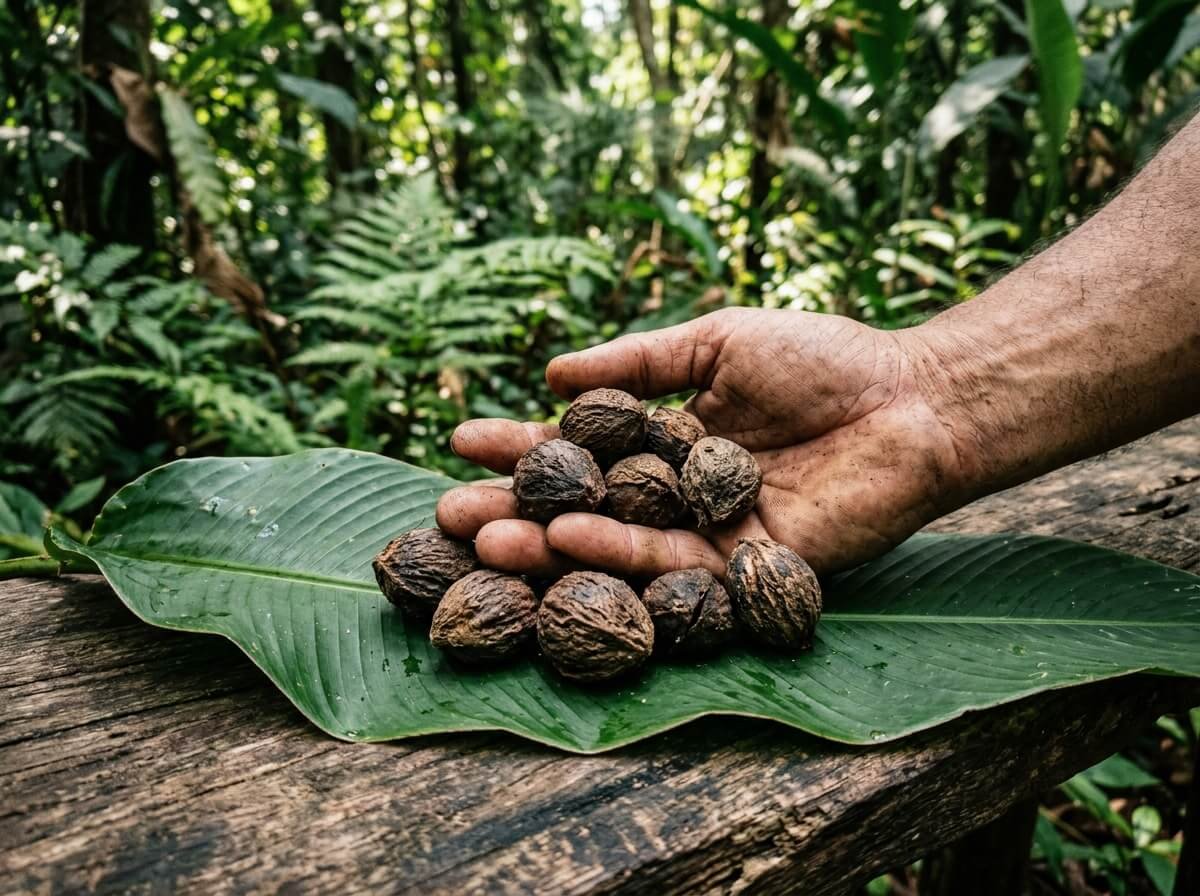
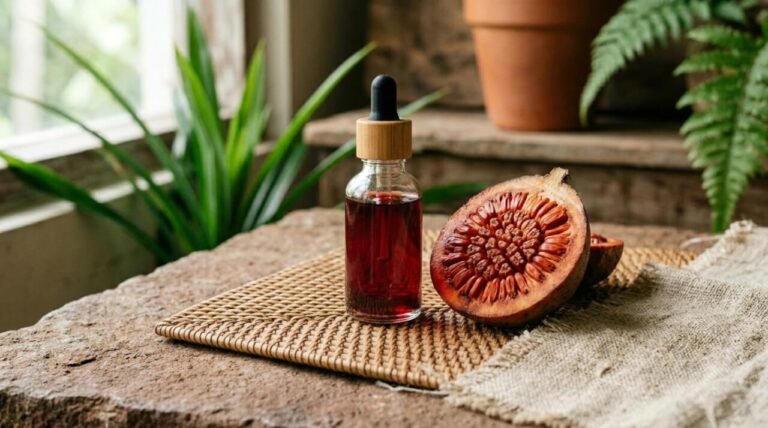
Here is what almost no coconut-versus-shea guide will tell you: there is a third butter that does much of what shea does, and it comes from Southeast Asia. Illipe butter is pressed from the nut of Shorea stenoptera, a tree wild-harvested in the rainforests of Kalimantan by families who have worked the same groves for generations. It is rich in stearic and oleic acids, much like shea, and it is prized for restoring the skin barrier and locking in moisture. In many balms it is used precisely because it holds even better than shea.
What sets illipe apart is the story behind the harvest. We source it through our Forestwise partnership, which means the butter is gathered from standing rainforest rather than cleared plantation. The nuts have value only if the forest stands, so harvesting them gives local communities a reason to protect the trees instead of felling them. That is care that works in both directions: the forest protects us, and we help protect the forest. It is the clearest answer we know to the greenwashing that crowds the natural-beauty aisle.
If you want the protective, barrier-restoring quality people love in shea, but with traceable, regenerative sourcing, illipe is worth knowing. We go deep on it in our guides to illipe butter benefits and the head-to-head illipe butter vs shea butter comparison. It will not replace coconut oil for a light massage, but as the rich, protective half of your routine, it quietly outperforms its reputation.
Coconut oil vs shea butter: frequently asked questions
Can I use coconut oil and shea butter together?
Yes, and they complement each other well. Coconut oil brings slip and fast absorption, while shea brings staying power and barrier protection. Most quality body butters already blend a firm butter with lighter oils for exactly this reason, so you get the best of both in one balanced texture rather than layering two raw ingredients yourself.
Is coconut oil or shea butter better for acne-prone skin?
Shea butter is usually the safer choice. It sits low on the comedogenic scale, while coconut oil sits high (around four out of five) and can clog pores for some people on the face. If you are acne-prone and want a plant oil, a lighter, faster-absorbing option is gentler still. Whatever you choose, patch test on your jaw for a few days before committing.
Which is better for very dry or cracked skin?
Shea butter, without much contest. Its longer-chain fats and rich unsaponifiables make it a stronger occlusive, so it holds moisture in and buffers skin against dry air far better than coconut oil can on its own. For heels, elbows, and weather-chapped hands, a shea-rich butter is the more protective ritual.
Does coconut oil really work better than shea in hair?
For penetrating the hair shaft, yes. Coconut oil is one of the few oils shown to move into the hair fiber and reduce protein loss, which makes it a strong pre-wash treatment. Shea works differently: it coats and seals the outside, so it is better as a small leave-in on dry ends and frizz. Many people use coconut before washing and a touch of shea after.
What is a good plant-based alternative to shea butter?
Wild-harvested illipe butter is the closest match. It shares shea’s stearic and oleic acid profile and its barrier-restoring feel, and it is often praised for holding even better. The difference is provenance: illipe is gathered from standing rainforest in Kalimantan, so choosing it supports forest protection rather than clearing. It is the option most coconut-versus-shea guides never mention.
Choosing with care: a simple, climate-first guide
So, coconut oil vs shea butter: there is no single winner, only the right tool for the job. Reach for coconut oil when you want light, fast absorption, a pre-wash hair treatment, or a simple body massage on skin that is already soft. Reach for shea butter, or a shea-rich butter, when skin is dry, chapped, or working hard against wind and cold. If your face breaks out easily, treat coconut oil with caution and let a lighter oil or a butter take its place.
Then look past the two obvious names. The most grounded choice is often a thoughtful blend, and the most conscious one may be a butter like wild-harvested illipe that carries its sourcing story on its sleeve. Whatever you choose, buy it raw or minimally processed, buy it refillable where you can, and let the origin matter as much as the ingredient. That is what real care looks like: not chasing the trend, but choosing with attention, for your skin and for the places these botanicals come from. What you give, you get back.