Natural antibacterial soap: what the FDA banned, what actually works, and how to read the label
Somewhere in most bathrooms sits a pump bottle that promises to kill 99.9% of germs. It feels responsible. It feels like care. Yet the most useful thing to know about natural antibacterial soap is something the label rarely says: plain soap and water already do the job, and in 2016 the US Food and Drug Administration (FDA) pulled 19 “antibacterial” chemicals from consumer hand and body washes because nobody could prove they did it better.
This guide is for anyone standing in that aisle, or reading the back of a bottle at home, and wondering what is true. We will look at what “antibacterial” really means on a soap, what the 2016 ruling changed, how soap actually cleans your skin, what botanical oils like tea tree, lemongrass, and clove can and cannot do, and how to read a label without being sold a feeling. We have been hand-blending soaps in Bali since 1989, so we will also share how we think about it in our own workshop. No fear, no theatrics. Just the mechanism, the evidence, and a calmer way to wash.
What natural antibacterial soap actually means
The phrase “antibacterial soap” sounds like a simple description. It is not. In everyday shopping it covers two very different things, and most confusion starts when they get blurred together.
Antibacterial soap: soap plus an added biocide
In the regulatory sense, an antibacterial or antiseptic soap is ordinary soap (or a synthetic detergent) with an extra active ingredient added specifically to kill or slow bacteria. For decades the most common of these were triclosan in liquid soaps and triclocarban in bars. The soap did the cleaning. The added chemical was there to make a claim.
In the United States, that claim matters. A product that says it kills germs is treated as a drug, not a cosmetic, which means its active ingredient has to be shown to be safe and effective. That detail becomes the whole story in the next section.
Natural antibacterial soap: the botanical version
When people search for natural antibacterial soap, they usually mean something gentler: a plant-oil soap scented or infused with botanicals that have a reputation for fighting microbes. Think tea tree, lemongrass, neem, clove, or cinnamon. These plants do carry compounds with real antimicrobial activity in laboratory studies. The question is how much of that activity survives a 20-second wash and a rinse, which we will come to honestly in a later section.
And the quiet third option: all soap
Here is the part that surprises people. Every true soap is, in a practical sense, a germ-removing product. Soap molecules grip oil and dirt, loosen the microbes sitting in that film, and let water carry them away. They also break apart some viruses outright. You do not need a special ingredient for soap to protect you. You need the soap, the water, and the time.
So when we talk about natural antibacterial soap on this page, we mean a well-made plant-based soap, used properly, with botanicals that add something real (scent, a gentle feel, tradition) without pretending to be a medicine. If you want the broader case for plant-oil soaps in general, our guide to the benefits of natural soaps covers it from the skin-care side.
The 2016 FDA rule: what got banned, and why
In September 2016 the FDA issued a final rule on consumer antiseptic wash products: the hand soaps and body washes you use at home with water. Manufacturers could no longer market these products if they contained any of 19 listed active ingredients, including triclosan and triclocarban. Companies had one year to reformulate or pull them from shelves.
The reason was not a scare. It was missing evidence.
The FDA had asked manufacturers to show two things: that these ingredients were safe for daily, long-term use, and that they prevented illness or the spread of infection better than plain soap and water. For the 19 ingredients, the data never arrived. The agency’s conclusion, in plain terms, was that there was no evidence these washes worked better than ordinary soap.
That is the heart of it. The ban was not mainly about proving harm. It was about the absence of any proven benefit to justify the exposure.
The concerns that made the missing evidence matter
Two open questions made regulators unwilling to wait. The first was antimicrobial resistance: the worry that constant, low-level exposure to biocides in everyday products could encourage bacteria to become tougher, including against some antibiotics. The second came from animal studies suggesting triclosan might interfere with hormone systems. Neither question was fully settled. But when a product offers no extra benefit, even an unsettled risk is hard to defend.
There is also the matter of where it all goes. Ingredients like triclosan wash down the drain, pass through treatment plants, and have been found in rivers and sediments. A daily ritual multiplied across millions of sinks is not a small thing.
What the rule did not cover
The 2016 rule was narrow. It applied to consumer wash products used with water. It did not cover alcohol hand sanitisers, hospital and healthcare antiseptics, or products used in food handling, which were dealt with separately. And three ingredients got a deferral while more data was gathered: benzalkonium chloride, benzethonium chloride, and chloroxylenol (often listed as PCMX). That is why you can still find “antibacterial” hand soaps today. They simply use a different active ingredient.
The lesson for us as shoppers is simple. “Antibacterial” on a soap label is a marketing choice, not a promise of better protection.
How soap really works: lift, break, and rinse
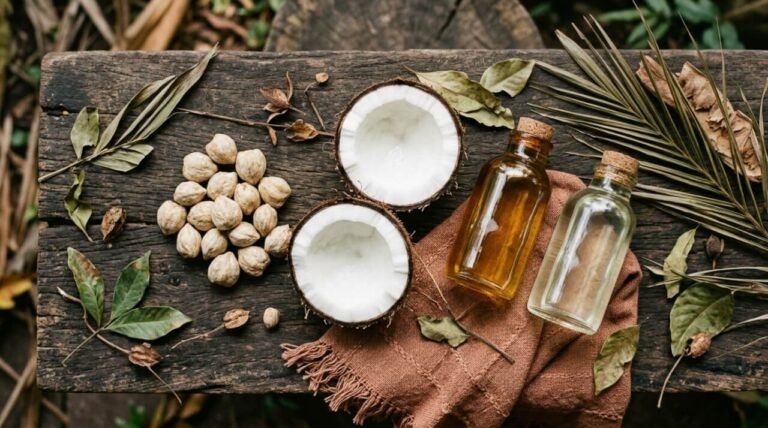
To understand why plain soap is enough, it helps to see what a soap molecule actually is. Traditional soap is made by reacting plant oils (like coconut or castor) with an alkali. Liquid soaps use potassium hydroxide, bars use sodium hydroxide. The result is a molecule with two very different ends.
One end loves water, the other loves oil
One end of each soap molecule is drawn to water. The other end is drawn to oil and grease. Our skin is coated in a thin film of natural oils, and that is exactly where dirt and microbes cling. When you lather, the oil-loving ends burrow into that film while the water-loving ends face outward. Tiny clusters called micelles form around the oil, wrapping up dirt and microbes inside.
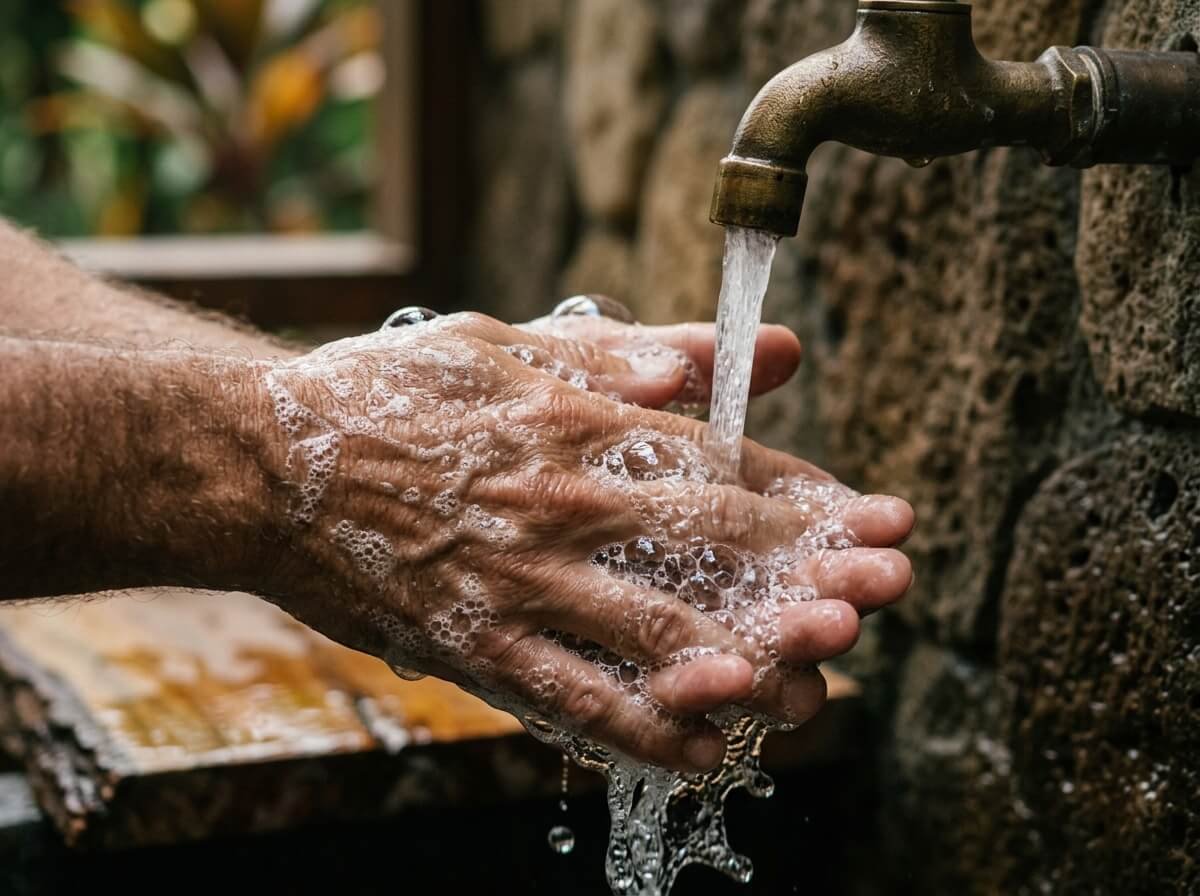
Then water does the rest. Rinse, and the micelles are carried away, along with most of what was living on the surface of your hands.
Soap does break some germs apart
Many viruses, including the coronaviruses and flu viruses, are wrapped in a fatty outer envelope. Soap molecules can pry into that envelope and break it open, which leaves the virus unable to infect cells. So while soap is mainly a lifting agent, it does destroy some germs on contact. No added biocide required.
Why technique matters more than any ingredient
Because soap works by lifting and rinsing, how you wash matters far more than what extra ingredient is in the bottle. Public health guidance is consistent here:
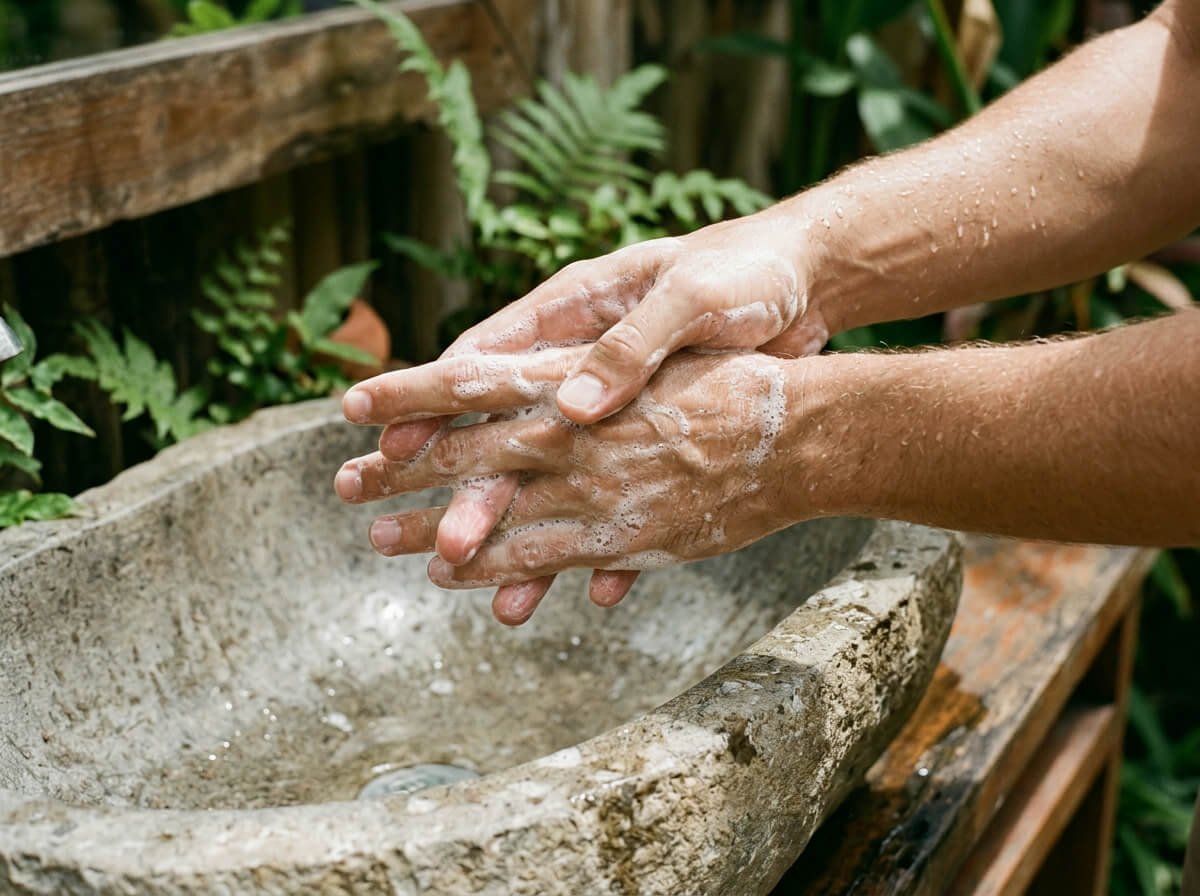
- Wet your hands with clean running water, warm or cold.
- Lather well, including the backs of hands, between fingers, around thumbs, and under nails.
- Scrub for at least 20 seconds. Humming a short song twice through is the old trick that still works.
- Rinse thoroughly under running water.
- Dry with a clean towel, or let your hands air dry.
The 20 seconds is not arbitrary. It gives the lather time to reach every surface and the micelles time to do their work. A rushed five-second wash with any “antibacterial” soap is simply a worse wash than a full 20 seconds with a plain one.
This is also why we find hand washing such a natural place for a small daily ritual. A scent you love, a texture that feels good, and a moment of pause make it easier to slow down and wash properly. It is the same quiet logic behind our approach to choosing a natural body wash: the ritual is not decoration, it is what makes the habit stick.
What naturally antibacterial botanicals really do
Now for the botanicals. This is where natural soap marketing often overreaches, and where we would rather tell you the truth than tell you a story.
The evidence is real, but mostly in the lab
Several plant oils show genuine antimicrobial activity in laboratory studies:
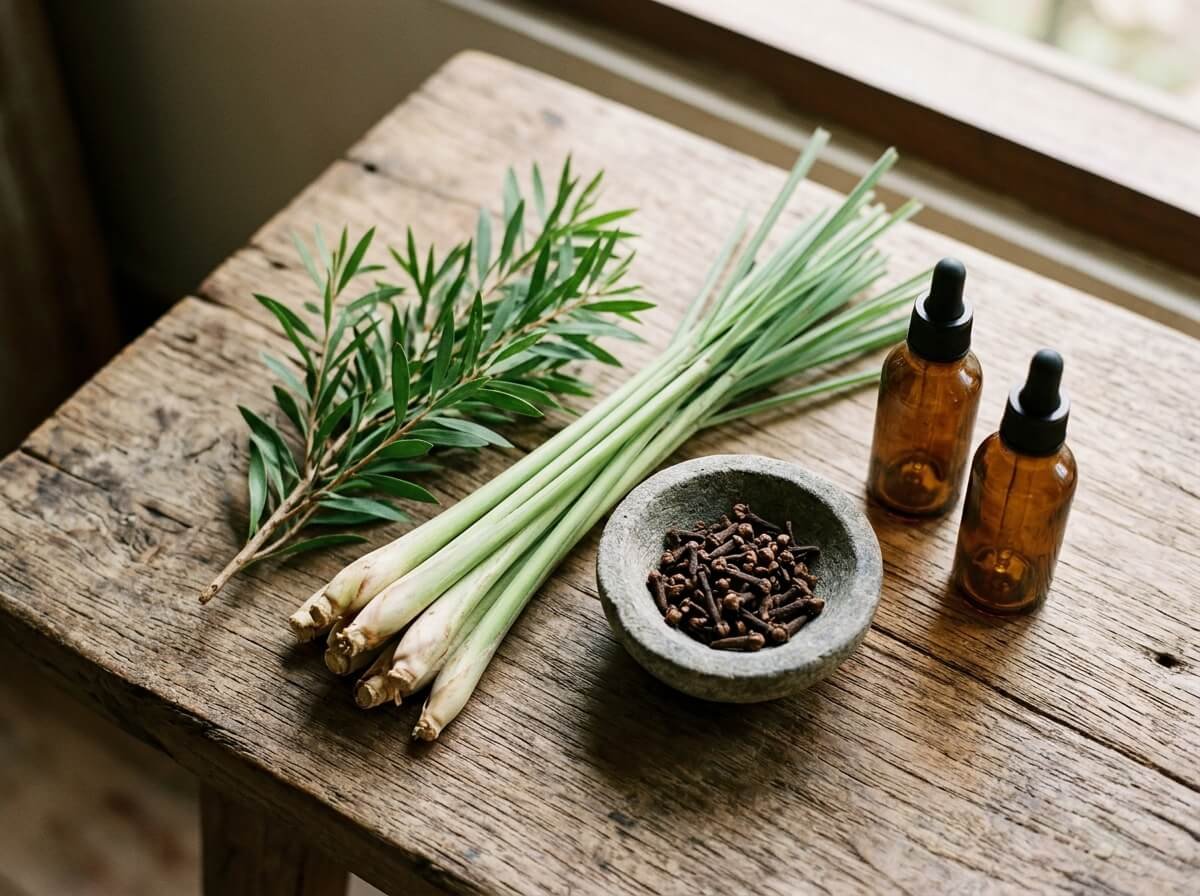
- Tea tree (Melaleuca alternifolia) owes most of its activity to a compound called terpinen-4-ol. It is one of the most studied botanical antimicrobials, and topical tea tree preparations have some clinical support for mild acne. We go deeper in our tea tree essential oil guide.
- Lemongrass carries citral, an aldehyde that inhibits a range of bacteria and fungi in lab tests. Our lemongrass essential oil guide covers the plant and its uses.
- Clove is rich in eugenol, long used in traditional oral care across the Indonesian spice islands, where the clove tree originally grew.
- Neem has deep roots in traditional skin care across South and Southeast Asia, with antimicrobial compounds in its seed oil.
- Citronella and cinnamon also show activity in lab studies, which is part of why they appear so often in traditional washes. Our citronella guide explains the plant’s wider uses.
Why lab results do not translate directly to your sink
A laboratory test usually holds bacteria in contact with a measured concentration of oil for minutes or hours. A hand wash is different. The essential oils in a rinse-off soap are present at low levels, typically a small percentage of the formula, and they touch your skin for roughly 20 seconds before you rinse them away.
So it would be dishonest to claim that a botanical soap kills more germs than plain soap in real-world hand washing. We do not make that claim, and you should be wary of anyone who does. The cleaning comes from the soap itself and from how well you wash.
What botanicals do bring
That does not make them pointless. Well-chosen botanicals bring a clean, uplifting scent that makes washing feel like care rather than a chore. Some, like gambir (a traditional Indonesian plant extract rich in tannins), have a gentle astringent feel. And they carry generations of knowledge about which plants were trusted to keep skin fresh in a hot, humid climate. That heritage deserves respect, and it deserves to be described accurately.
This is how we think about our own Antiseptic Liquid Soap. It is a coconut and castor oil soap infused with neem, gambir, clove, cinnamon, citronella, cubeb, nutmeg, and a handful of other spice-island botanicals, a blend inspired by the traditional washes of the archipelago. The name honours that lineage. The cleaning is done by honest soap chemistry. There is no triclosan, no synthetic biocide, and no promise that it outperforms a good 20-second wash. If you prefer a single, simpler note, our Lemongrass Liquid Soap and the Tea Tree Body Wash use the same plant-oil base with one clear botanical voice.

Spice-island botanicals, honest soap
Our Antiseptic Liquid Soap blends coconut and castor oil soap with neem, gambir, clove, cinnamon, and citronella, hand-made in Bali with no triclosan and no synthetic biocides. Gentle enough for faces, ready to refill.
How to read a natural antibacterial soap label in 2026
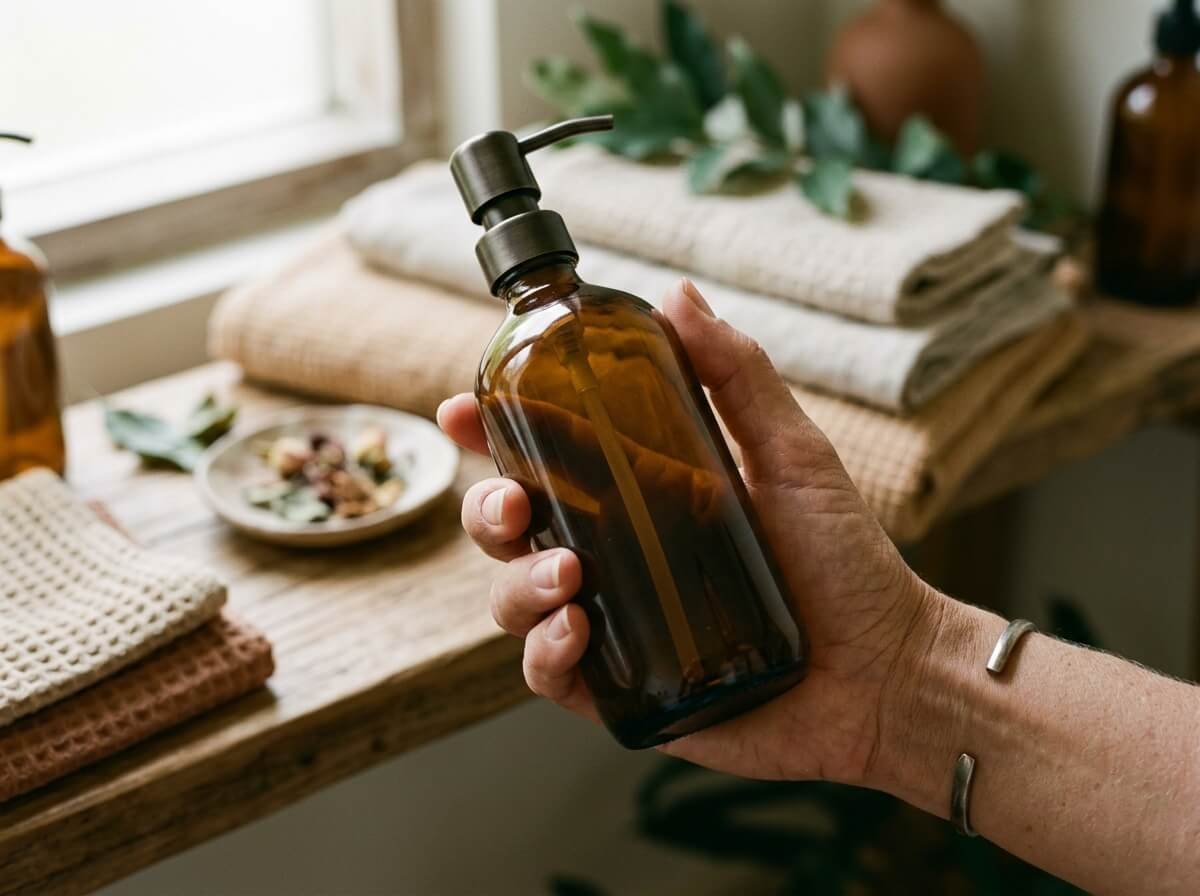
The front of a bottle sells. The back of a bottle tells. Here is how to read both with clear eyes.
Look for an “active ingredient” panel
In the US, a soap that claims to kill germs is an over-the-counter drug and must show a “Drug Facts” panel listing its active ingredient. If you see one, check what it is. Today the most likely candidates are benzalkonium chloride, benzethonium chloride, or chloroxylenol, the three ingredients that were deferred in 2016. If your goal is a simple, plant-based wash, you probably do not need any of them for everyday home use.
A true botanical soap usually has no Drug Facts panel at all. It lists ingredients the way a cosmetic does: saponified oils, water, glycerin, and botanicals, ideally with their Latin names.
Phrases worth a second look
- “Kills 99.9% of germs.” Usually based on lab tests against specific bacteria on surfaces, not on what happens on your hands in daily life.
- “Naturally antibacterial.” Often true of the plant in a lab, rarely meaningful at rinse-off levels. Fine as a description of the botanicals, misleading as a promise of protection.
- “Chemical-free.” Everything is made of chemicals, including water and lemongrass. This phrase tells you nothing.
- “Fragrance” or “parfum” in a natural soap. This single word can hide dozens of synthetic compounds. We explain the difference in essential oil vs fragrance oil.
What a good label looks like
A label you can trust is short and specific. It names the oils used to make the soap (coconut, castor, olive, and so on), names each botanical, and avoids medical promises. If the brand also explains where its ingredients come from and who makes the soap, even better. Transparency is not a nice extra. It is the clearest sign that nothing is being dressed up.
Watch for greenwashing in reverse
Some brands now market the absence of triclosan as if it were a special virtue. Since 2017 it has simply been the law for consumer washes in the US. Credit a brand for what it chooses to put in, the quality of its oils, the honesty of its claims, and how it handles packaging, not for leaving out an ingredient that was banned years ago.
Soap, hand sanitiser, or body wash: choosing the right tool
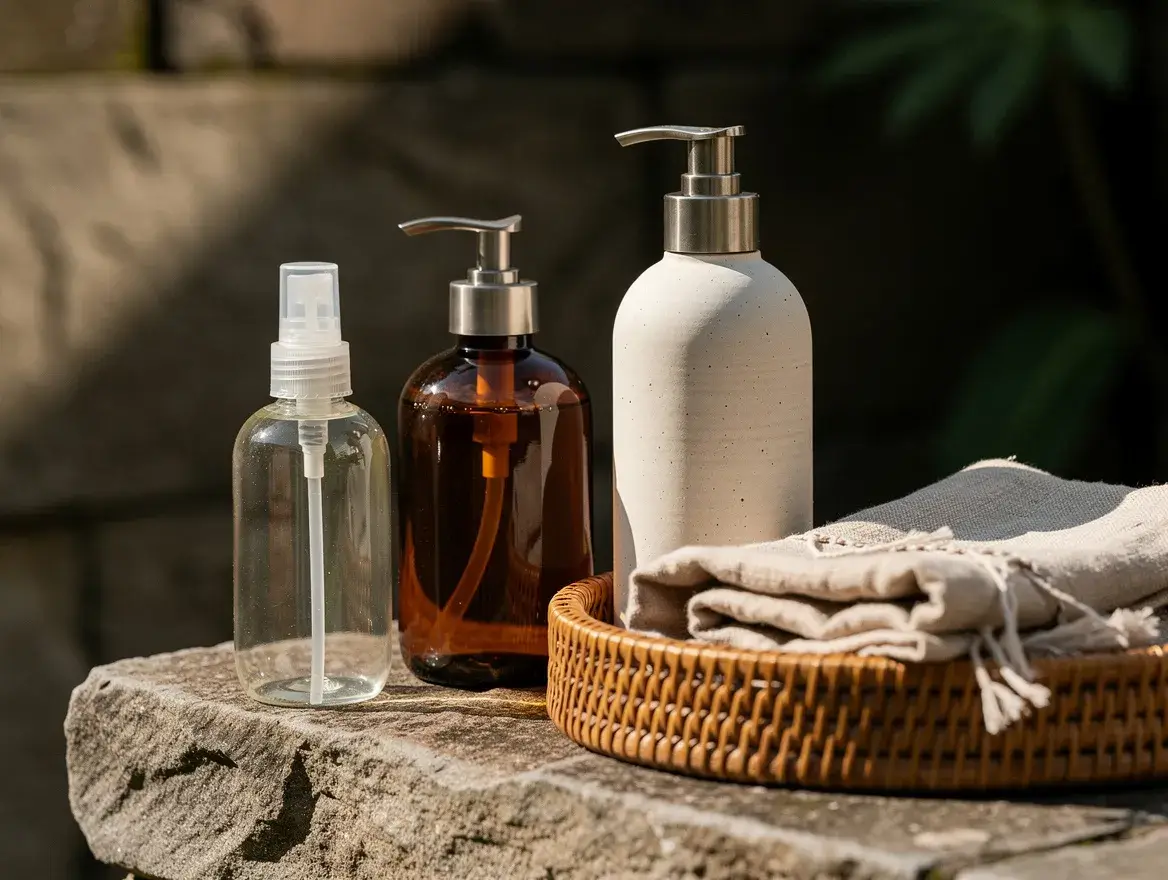
Different moments call for different tools. Here is a calm way to choose.
Soap and water: the everyday default
Whenever you can reach a sink, wash with soap and water. It removes dirt, grease, and food residue as well as microbes, which matters because sanitiser struggles on visibly dirty or oily hands. Soap and water also handle some germs that alcohol does not deal with well, such as norovirus (the classic stomach bug) and certain spore-forming bacteria. Before cooking, after the bathroom, after gardening, and after caring for someone who is unwell, soap is the right tool.
Hand sanitiser: the backup when there is no sink
Alcohol-based hand sanitiser with at least 60% alcohol is a useful backup when soap and water are not available, on a trail, in a car, or between errands. Use enough to cover all surfaces and rub until your hands are dry. It is not a replacement for washing, and frequent use can leave skin dry, so a good natural hand cream is a kind follow-up.
Body wash: gentler, everyday cleansing
For the shower, you rarely need anything “antibacterial” at all. Your skin hosts a living community of microbes that help protect its barrier, and harsh, stripping cleansers can upset that balance. A mild plant-oil body wash cleans without overdoing it. Our guide to coconut body wash explains why coconut-based soaps lather richly while staying kind to skin, and natural liquid body soap covers the wider category.
Face: keep it softer still
Facial skin is thinner and more reactive. If you are dealing with breakouts, a targeted face cleanser is better than a strong antibacterial hand soap. Our natural face wash guide walks through the options.
A note on the home
The same thinking applies around the house. Kitchens and bathrooms do not need biocide-heavy products for daily cleaning; good soap, hot water, and a little friction do most of the work. Our Natural Dish Soap and the wider natural cleaning products guide follow the same honest logic.
Natural antibacterial soap: frequently asked questions
Is all soap antibacterial?
In practice, yes. Soap does not need an added biocide to remove bacteria from your skin. It lifts oils, dirt, and microbes so water can rinse them away, and it breaks apart viruses that have a fatty envelope. “Antibacterial” on a label usually means an extra active ingredient has been added, not that the soap cleans better.
Is antibacterial soap bad for you?
For most people, an occasional antibacterial wash is not dangerous. The issue is that the extra ingredients bring no proven benefit for everyday home use, while raising open questions about resistance and environmental build-up. Plain or botanical soap used well gives you the same protection with fewer trade-offs.
Does natural soap kill germs?
Natural soap removes germs very effectively and can destroy enveloped viruses. Botanicals like tea tree and lemongrass add some antimicrobial activity, but at rinse-off levels the main work is done by the soap and your technique. Wash for at least 20 seconds and rinse well.
Is tea tree soap antibacterial?
Tea tree oil is antibacterial in lab studies, thanks mostly to terpinen-4-ol. In a soap, it adds a fresh, clean scent and a gentle supporting effect. It does not turn the soap into a medicine, and it should not replace advice from a health professional for skin infections.
Can I make my own antiseptic soap at home?
You can blend a simple liquid castile soap with a few drops of tea tree or lemongrass oil. Keep essential oils at low levels, patch test first, and avoid using strong blends on young children. We shared a traditional approach years ago in make your own antiseptic soap at home.
Is natural antibacterial soap safe for children?
A mild plant-oil soap is generally a good choice for families. Choose soaps with gentle, well-known botanicals, keep them away from eyes, and skip strong essential oil blends for babies. Our liquid soaps are formulated to be gentle enough for the whole family, including children.
Is liquid soap or bar soap better for hand washing?
Both work. Liquid soap in a pump is convenient and easier to share hygienically in busy households. Bars use less packaging. The best middle path is a liquid soap you refill rather than replace, which is why refill stations have been part of our shops from the start.
A final word
Clean has never needed to be complicated. Good soap, clean water, 20 unhurried seconds, and a towel are enough. Everything else, the scent of lemongrass, the warmth of clove, the familiar shape of a bottle you refill again and again, is there to make that moment feel like care.
If you want to take the next small step, refilling is where the real change happens. Our guides to refillable body care, refillable dish soap, and a plastic-free bathroom show how one bottle can last for years. Choose the Lavender Liquid Soap for calm evenings, the Tangerine Liquid Soap or Mint Liquid Soap for bright mornings, and keep washing well. What you give, you get back.