Essential oil diffuser humidifier: how they work, which to choose, and how to use one well
An essential oil diffuser humidifier combines two functions that belong together: dispersing botanical aromatherapy into your living space while adding gentle moisture to dry air. If you have been comparing devices and wondering whether a standalone diffuser, a standalone humidifier, or a hybrid unit makes the most sense, you are asking the right question. The answer depends on your room size, your climate, and what you want to achieve with your essential oils.
This guide covers how these devices work at a mechanical level, which type suits different needs, how to select and use essential oils safely in a diffuser humidifier, and how to keep your device running well for years. Whether you are new to aromatherapy or deepening an existing ritual, grounded information helps you choose with confidence.
What is an essential oil diffuser humidifier and how does it work
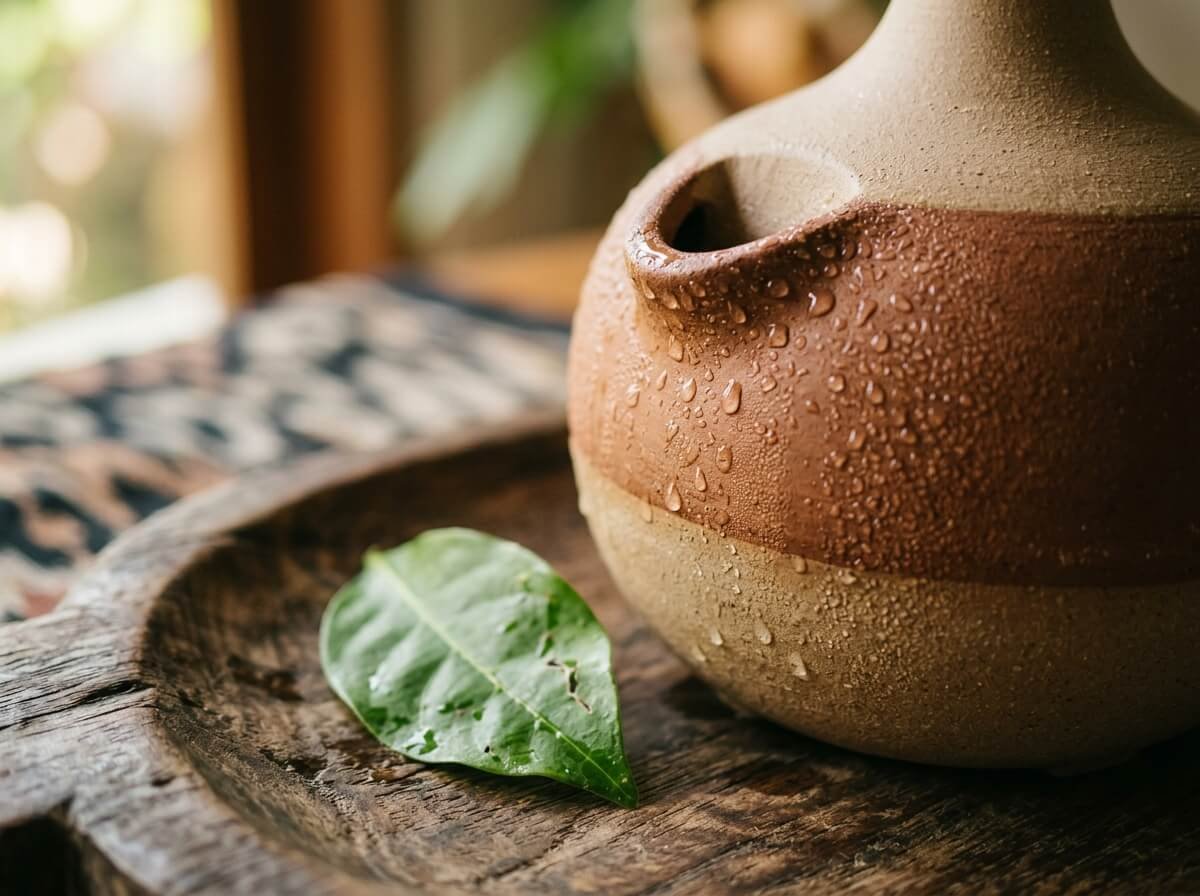
An essential oil diffuser humidifier is an ultrasonic device that uses high-frequency vibrations to break water and dissolved essential oils into a superfine mist. A small ceramic disc at the base of the water reservoir vibrates at approximately 1.7 million times per second, creating droplets so tiny they remain suspended in air as visible vapour. Unlike heat-based diffusers, this process keeps the essential oil compounds intact, preserving their therapeutic properties and aroma integrity.
The distinction between a pure diffuser and a pure humidifier matters. A dedicated aromatherapy diffuser typically holds 100 to 300 ml of water and disperses fragrance across a single room. A humidifier holds one to five litres and is designed to measurably raise ambient humidity in larger spaces. A diffuser humidifier sits between these: it adds moderate moisture (useful in air-conditioned rooms) while dispersing essential oils effectively, though it will not raise humidity as aggressively as a medical-grade humidifier.
Most ultrasonic diffuser humidifiers run on a timer (two to eight hours), feature adjustable mist output, and include an auto-shutoff when water runs low. The mechanism is inherently quiet, making these devices suited for bedrooms, meditation spaces, and workrooms where fan noise would be disruptive.
Essential oil diffuser humidifier types compared
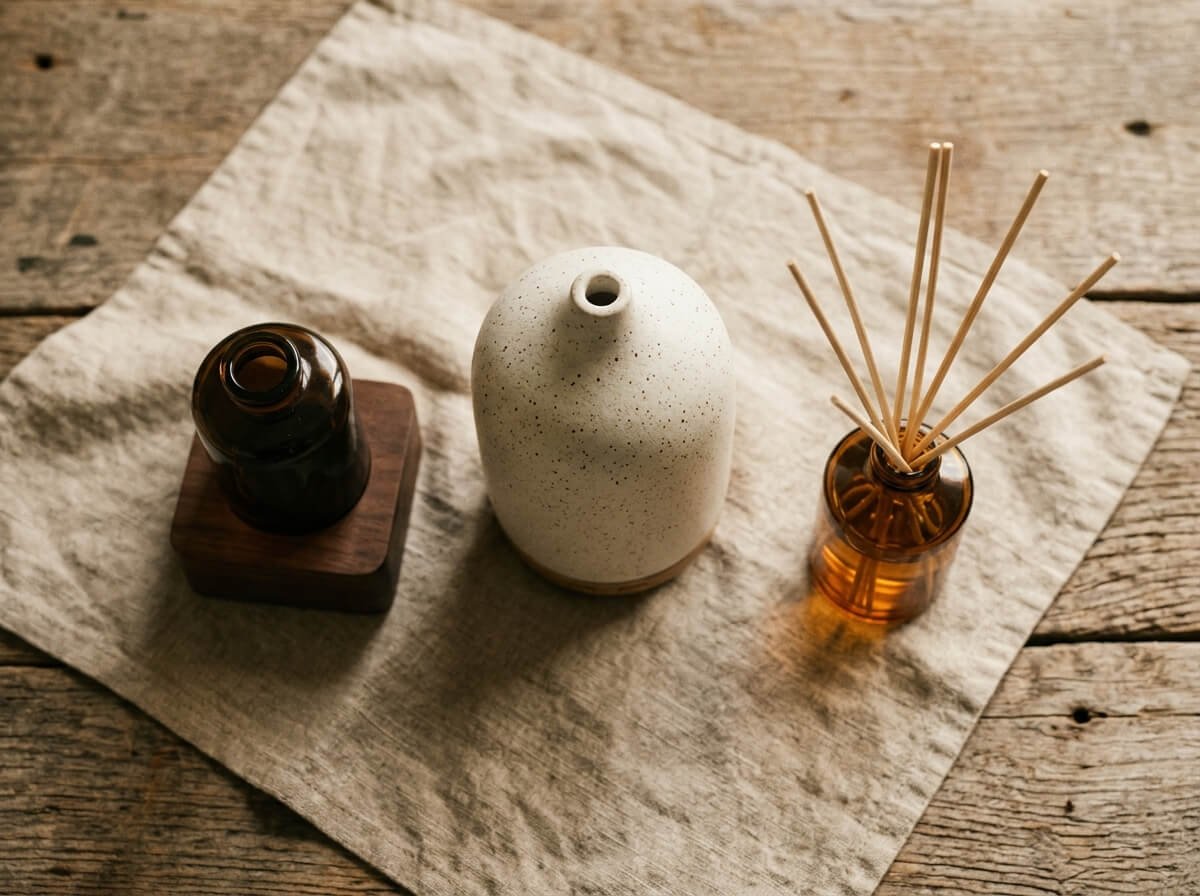
Not every device labelled “diffuser humidifier” operates the same way. Understanding the differences helps you match the device to your intention.
Ultrasonic diffuser humidifiers
The most common type. Water and essential oils sit together in the reservoir, and the ultrasonic plate disperses both. Pros: quiet, affordable, dual-function, widely available. Cons: limited tank capacity means frequent refills for true humidity control; some citrus oils may degrade plastic reservoirs over time if left standing.
Nebulizing diffusers (no water)
These atomize pure essential oil without water, producing a concentrated scent. They do not humidify at all. Best for therapeutic aromatherapy where scent intensity matters, but not suitable if you also need moisture. If you explore the broader world of essential oil benefits, nebulizers are worth knowing about, even though they sit outside the diffuser-humidifier category.
Evaporative humidifiers with oil trays
Some cool-mist evaporative humidifiers include a separate tray or pad where you add essential oils. The oil vapour enters the airstream separately from the humidified water. This protects the main reservoir from oil residue but produces a lighter scent throw.
Heat-based humidifiers (avoid for oils)
Warm-mist or steam humidifiers boil water to produce vapour. Adding essential oils to these is generally discouraged: heat degrades volatile compounds (reducing therapeutic benefit) and oil residue can clog heating elements or create a fire risk.
For most people seeking both gentle humidity and aromatherapy, an ultrasonic diffuser humidifier offers the best balance of function, safety, and value.
How to choose the right essential oil diffuser humidifier for your space
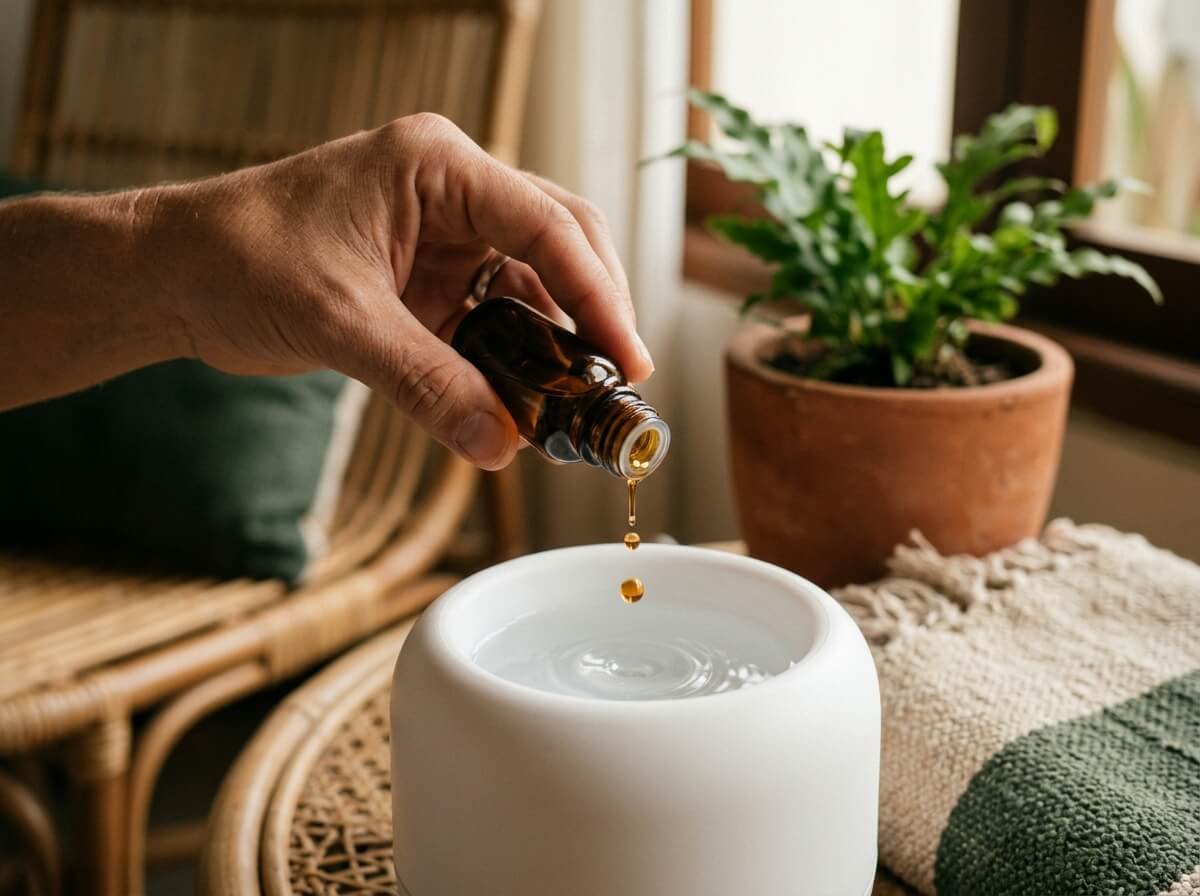
Choosing well means matching the device to your room, your routine, and your oils. Consider these factors:
Room size and tank capacity
A 100 ml tank suits a desk or bedside table (coverage: roughly 10 to 15 square metres). A 300 to 500 ml tank handles a typical bedroom or living area (20 to 40 square metres). If you want continuous overnight moisture and scent, look for a 400 ml or larger reservoir with a six-to-eight hour run time.
Material and durability
BPA-free polypropylene (PP) is the most common and oil-safe material for tanks. Ceramic and glass models look beautiful and resist essential oil degradation but cost more and break if dropped. Avoid cheap ABS plastic, which can warp or discolour from citrus oils over time.
Mist output and controls
Adjustable mist levels let you reduce output for small rooms (preventing dampness on nearby surfaces) or increase it for larger spaces. Timer settings (one, three, six hours or continuous) and intermittent mist modes (30 seconds on, 30 off) are useful features that extend oil usage and prevent over-saturation.
Noise level
Most ultrasonic models run below 30 decibels, quieter than a whisper. Check reviews for buzzing or rattling from the ceramic disc, which can indicate a low-quality oscillator. For bedrooms, silence is non-negotiable.
If you prefer passive scent diffusion without electronics for certain rooms, reed diffusers offer a maintenance-free alternative that works through capillary action alone.
Best essential oils to use in a diffuser humidifier
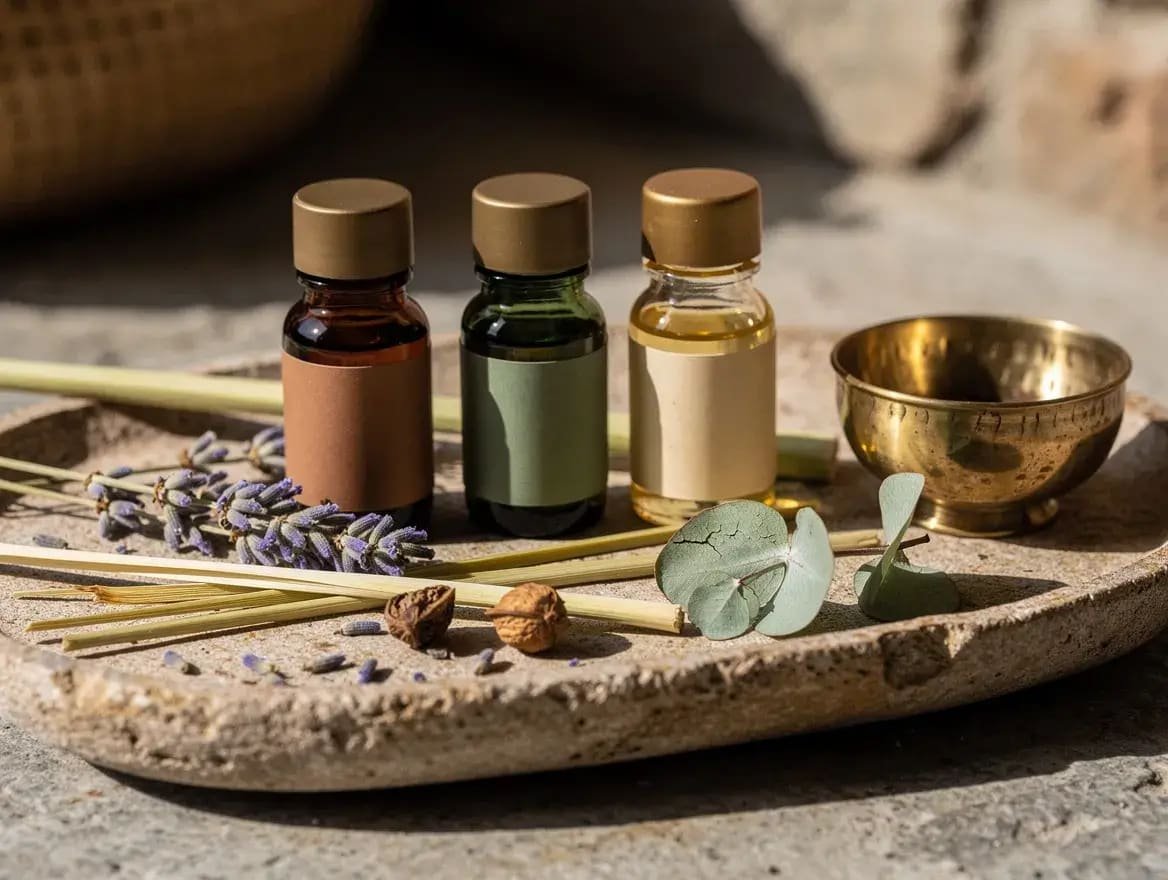
Not every essential oil performs equally in water-based diffusion. Some compounds disperse beautifully; others are too heavy or viscous to atomize well. Here are the categories that work best:
For relaxation and sleep
Lavender, ylang ylang, Roman chamomile, and sandalwood. These lighter-to-medium weight oils disperse evenly in ultrasonic mist and create a calming atmosphere. For a Balinese evening ritual, try blending lavender with ylang ylang and a drop of vetiver: the combination is grounding without being heavy.
Our Bali Night Essential Oil Blend was formulated specifically for this purpose, combining botanicals traditionally used in Balinese evening rituals with modern aromatherapy science. A few drops in your diffuser humidifier before bed creates a sanctuary of calm.
For focus and energy
Peppermint, rosemary, lemon, and eucalyptus. These high-volatility oils disperse quickly and fill a room fast. They are ideal for morning routines or workspaces. Our Kaffir Lime Essential Oil Blend uses wild-harvested Balinese kaffir lime for a citrus-forward uplift that pairs beautifully with the gentle humidity of an ultrasonic device.
For respiratory support
Eucalyptus, tea tree, peppermint, and ravintsara. The combination of added moisture and antimicrobial vapour makes a diffuser humidifier particularly effective during cold season. The humidity soothes dry airways while the essential oil compounds provide natural support.
Oils to avoid in diffuser humidifiers
Very thick or resinous oils (undiluted myrrh, benzoin, vetiver absolute) can clog ultrasonic plates. Synthetic fragrance oils (not true essential oils) often contain compounds that damage reservoir materials. Always use pure, unadulterated essential oils from transparent sources. Understanding how essential oil blends work helps you combine oils safely for your device.
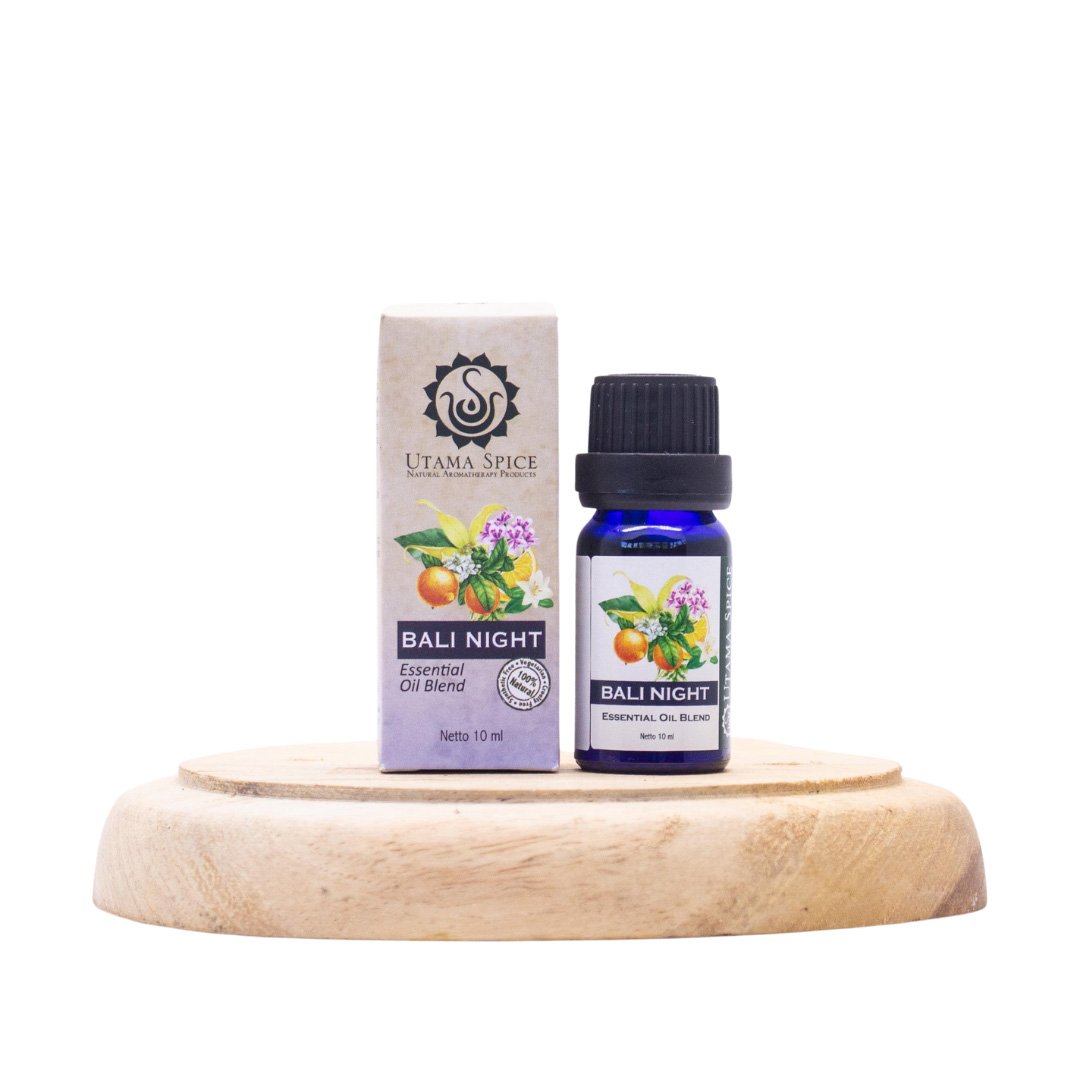
Bring Bali to your evening ritual
Our Bali Night blend combines ylang ylang, lavender, and Balinese botanicals for a grounding, sleep-ready atmosphere. Add three to five drops to your diffuser humidifier and let the evening slow down.

How to use an essential oil diffuser humidifier safely
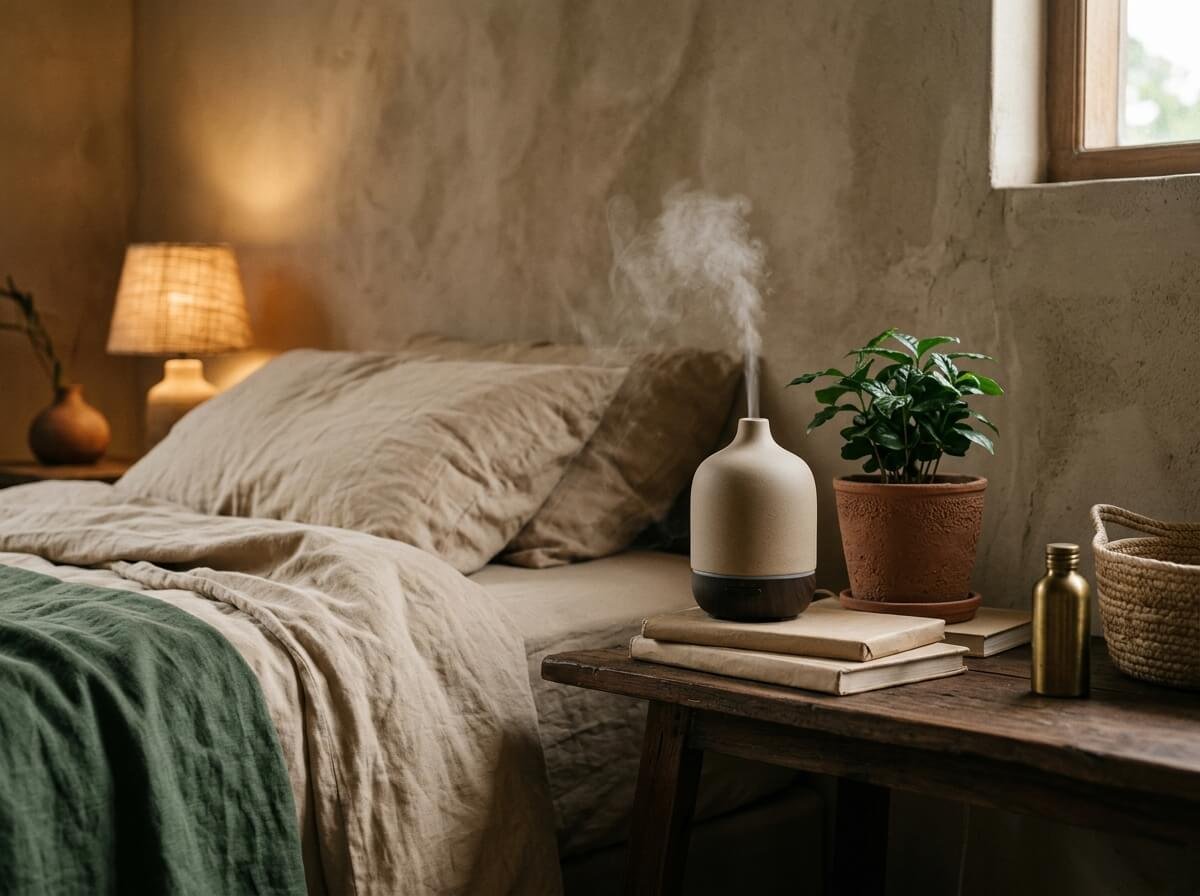
Using these devices well means balancing enjoyment with safety. A few guidelines keep the experience positive:
Dosage: less is more
For a 300 ml tank, three to five drops of essential oil is sufficient. Over-dosing does not improve the experience; it saturates the air, can trigger headaches, and wastes oil. You can always add more after an hour if the scent has faded. Start low and adjust.
Ventilation and duration
Run your diffuser humidifier for 30 to 60 minutes, then pause. Continuous eight-hour exposure to essential oil vapour is unnecessary and can desensitize your olfactory system. Use intermittent mode if available. Ensure the room has some air exchange (a cracked window or ventilation system).
Placement considerations
Place the device on a stable, elevated surface (a shelf or table), not directly on wood floors where accumulated mist could cause water marks. Keep it at least 60 cm from electronics and walls. Ensure the mist outlet faces into the room, not toward a wall.
Safety with children and pets
Cats are particularly sensitive to certain essential oils (tea tree, eucalyptus, peppermint in concentrated form). If you have cats, use your diffuser humidifier in rooms they do not frequent, or stick to cat-safe options like cedarwood or frankincense in minimal doses. For households with young children, place the device out of reach and avoid camphor-containing blends for children under two. Integrating aromatherapy into a broader natural wellness routine means considering every member of the household.
Cleaning and maintaining your essential oil diffuser humidifier
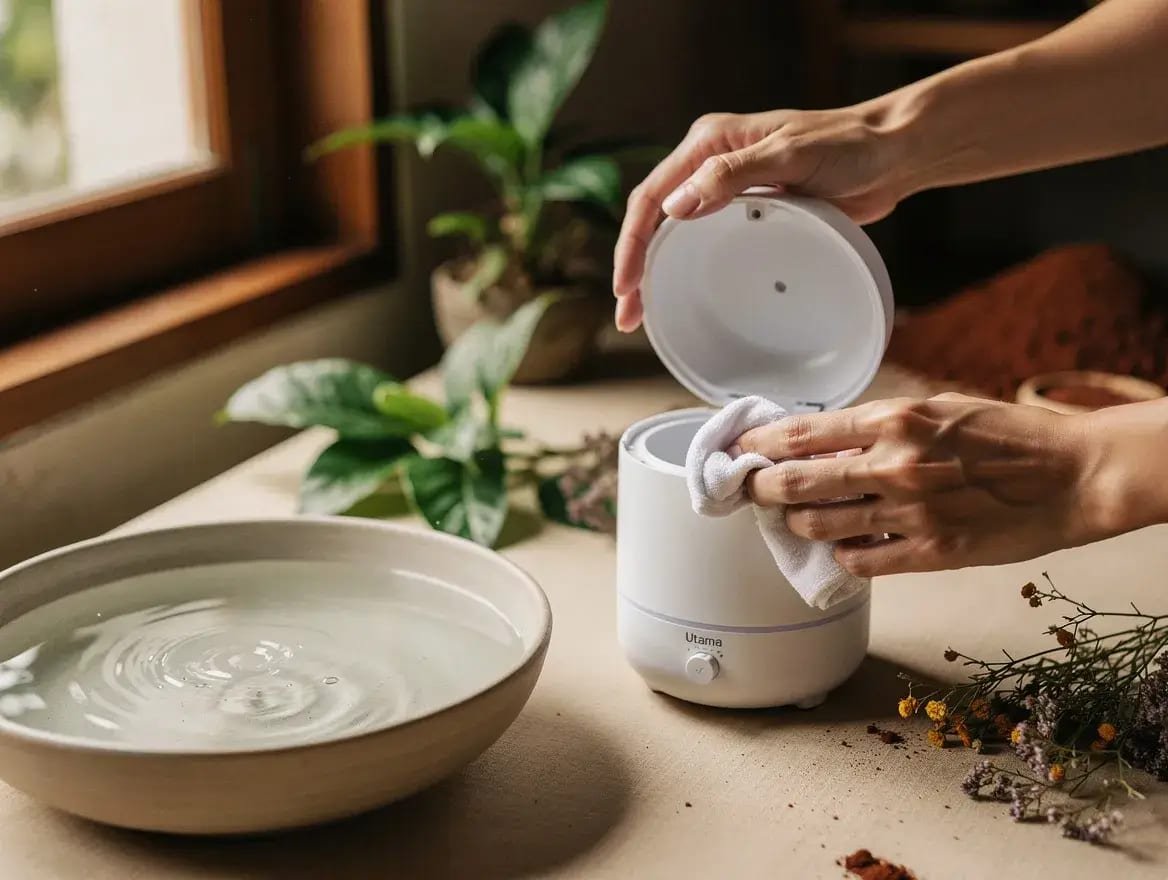
A well-maintained diffuser humidifier performs better, lasts longer, and avoids becoming a breeding ground for bacteria or mould. Here is a simple routine:
After every use
Empty any remaining water from the reservoir. Wipe the inside with a soft cloth. Never leave water sitting for more than 24 hours between uses, as stagnant water encourages microbial growth.
Weekly deep clean
Fill the reservoir halfway with clean water and add a teaspoon of white vinegar. Run for five minutes, then empty and wipe dry. Use a cotton bud (cotton swab) dipped in vinegar to clean the ultrasonic plate at the base. Rinse thoroughly with fresh water before the next use.
Monthly maintenance
Check the ultrasonic plate for mineral buildup (white scale from hard water). If present, soak the plate area in undiluted white vinegar for 10 minutes, then scrub gently with a soft brush. Using filtered or distilled water reduces scale accumulation and extends the life of the ceramic disc.
When to replace
If your device produces noticeably less mist despite cleaning, makes new noises, or develops cracks in the reservoir, it is time for a new unit. A quality ultrasonic diffuser humidifier should last two to four years with proper care.
Between electronic diffusion sessions, reed diffusers offer a zero-maintenance way to keep gentle scent flowing through your space without any water, electricity, or cleaning protocol.
Frequently asked questions about essential oil diffuser humidifiers
Can I use a regular humidifier with essential oils?
Only if the manufacturer explicitly states it supports essential oils. Most standard humidifiers lack oil-resistant materials, and adding oils can void the warranty, damage seals, or leave residue in the mechanism. A dedicated essential oil diffuser humidifier is built for this purpose with appropriate materials.
Does a diffuser humidifier add enough moisture for dry skin?
For a single room, yes, a 300 to 500 ml ultrasonic diffuser humidifier can raise humidity by five to 10 percentage points, which is enough to reduce dry skin, chapped lips, and static during winter or in air-conditioned environments. For whole-home humidity control, a larger dedicated humidifier is more appropriate.
How many drops of essential oil should I use?
Three to five drops per 100 ml of water is the standard range. For a 300 ml tank, start with eight to 10 drops and adjust based on room size and personal preference. More is not better; over-concentration can cause headaches or nausea.
Is it safe to run a diffuser humidifier overnight?
Running on plain water or very low oil doses (two to three drops) with auto-shutoff is generally safe. Avoid high concentrations overnight, especially in closed rooms without ventilation. Intermittent mode (mist cycles on and off) is ideal for sleep-time use.
Can essential oil diffuser humidifiers help with allergies?
The added humidity helps with dry, irritated airways. However, if you are sensitive to specific botanical compounds, diffusing essential oils may trigger reactions. Start with single oils in short sessions to identify any sensitivities. Eucalyptus and tea tree may open airways for some, but they can irritate others. Pay attention to your body’s response.
If you are exploring natural approaches to home atmosphere beyond electronic diffusion, natural incense and botanical candles offer complementary rituals with their own distinct character.
Choosing oils with integrity: why sourcing matters for your diffuser ritual
The quality of what you put into your essential oil diffuser humidifier determines what you breathe. Synthetic fragrance oils may smell pleasant, but they lack the complex chemical profiles that give genuine essential oils their therapeutic properties. Adulterated oils (cut with carrier oils or synthetic extenders) perform poorly in ultrasonic diffusion and leave oily residue in your device.
When choosing essential oils for your diffuser, look for transparency in sourcing. Where was the plant grown? How was it harvested? What extraction method was used? Steam distillation and cold pressing preserve the full spectrum of aromatic compounds. Wild-harvested or regeneratively farmed botanicals carry the vitality of their ecosystem in ways that industrial monoculture crops cannot replicate.
At Utama Spice, every essential oil blend traces back to known farms, cooperatives, and wild-harvest communities. Our kaffir lime comes from groves in Bali where farmers have tended the trees for generations. Our blends are formulated by hand in small batches, not mass-produced in factories. This matters for your diffuser ritual because purity translates directly to performance: cleaner mist, truer scent, more effective aromatherapy, and no synthetic residue coating your diffuser’s ceramic plate.