Natural hair oil: a complete guide to Balinese hair nourishment
Natural hair oil is one of the oldest forms of hair care in the world. Long before silicone serums and protein-infused sprays filled pharmacy shelves, people across tropical Asia oiled their hair as a daily ritual, a weekly treatment, and a quiet act of self-care rooted in seasonal rhythms. In Bali, that practice never disappeared. It evolved, adapted, and eventually found its way into the small-batch formulations we craft today. If you have been noticing dryness, breakage, or a scalp that never quite feels balanced, natural hair oil may be the simplest and most effective change you can make to your routine. This guide covers what makes natural hair oil different, how Balinese tradition approaches it, which ingredients to look for, and how to use it in a way that actually works for your hair type.
What makes natural hair oil different from synthetic alternatives
Walk into any pharmacy and you will find shelves full of products labeled “hair oil” or “shine serum.” Most of them contain dimethicone or cyclomethicone, which are silicone compounds that coat the hair shaft to create a glossy appearance. They work, visually, in the short term. But silicones build up over time, block moisture from reaching the hair cortex, and gradually make hair more dependent on the product to look healthy. This is not care. It is performance.
A genuine natural hair oil is formulated from plant-derived carrier oils, sometimes combined with carefully diluted essential oils, botanical extracts, or herbal infusions. These oils share a chemical composition that is biologically compatible with the natural sebum produced by your scalp. They can penetrate the hair shaft rather than simply coating it. They nourish the cortex directly, reduce protein loss during washing, and strengthen the cuticle over time rather than masking damage.
The difference shows up most clearly over three to four weeks of consistent use. Synthetic serums produce immediate but temporary shine, and you notice their absence quickly. Natural hair oil builds up the hair’s own integrity. Strands begin to feel different from the inside out: more elastic, less prone to breaking, and better at retaining moisture between washes. If you want to understand more about the ingredients to avoid in personal care products more broadly, our guide to skincare ingredients to avoid covers the most common synthetic additives and why they create long-term dependency rather than genuine care.
Price is another signal, though not a perfect one. Genuine carrier oils (kukui, coconut, jojoba, argan) are more expensive to source and process than silicone compounds. A natural hair oil priced at a few dollars a bottle almost certainly contains diluted synthetic base with a small amount of botanical extracts added for marketing. Real oil formulations cost more because the raw materials cost more. That investment, however, is also what makes them work differently.
The Balinese tradition of hair oiling
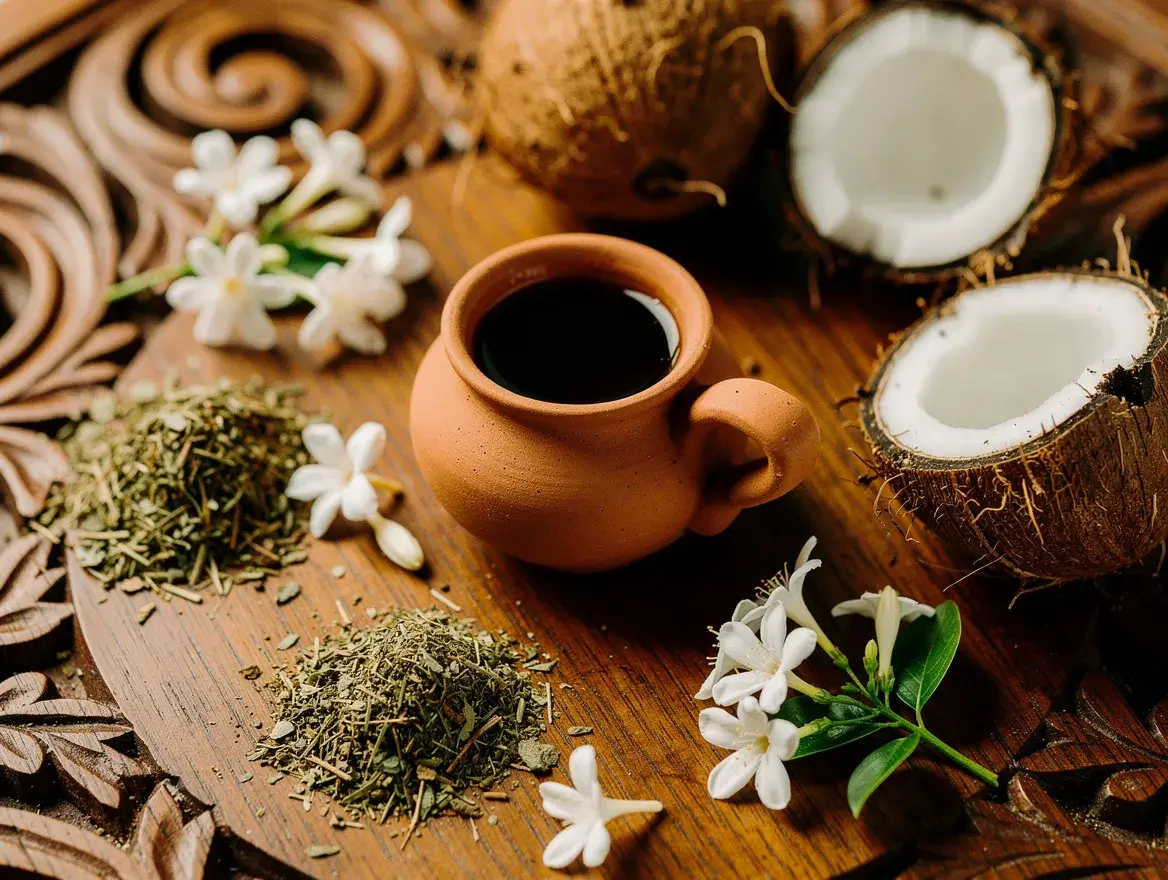
In Balinese culture, hair is not merely aesthetic. It connects directly to concepts of spiritual balance, social identity, and daily ritual. The practice of oiling the hair before bathing or ceremony has existed in the region for generations, passed down through families who grew, harvested, and cold-pressed the oils themselves. Coconut groves, kukui nut trees, and aromatic herb gardens were, and in many parts of Bali still are, household resources rather than commercial assets.
The approach differs from Western hair care in one fundamental way: the intention is not to produce a result to be seen immediately but to prepare the hair and scalp for long-term health. A pre-wash oil treatment is applied the night before washing, or at least an hour before, allowing the oils time to penetrate the cortex and create a protective barrier that buffers the stripping effect of shampoo. The scalp receives a slow, deliberate massage. The process is unhurried.
Utama Spice was founded in Ubud in 1989 by Melanie Templer, who brought this same philosophy into small-batch formulation. Her approach was always to work with what Bali’s land offered, wild-harvested from regenerative sources where possible, blended by hand in small quantities. The herbal knowledge that shaped those early formulations came from local healers and from the daily practices of Balinese households. That lineage is still present in what we make today, carried forward by Melanie’s daughter Ria and the team in Ubud.
What makes this tradition worth understanding, beyond cultural respect, is its outcome. Communities in tropical Asia where scalp oiling has been a lifelong practice consistently show lower rates of the hair problems that have become common in the West: chronic scalp inflammation, split ends from heat damage, and thinning caused by over-stripping. The practice is not complicated, and the ingredients are not rare. What distinguishes it is consistency and intentionality.
Key ingredients in natural hair oil and what they do
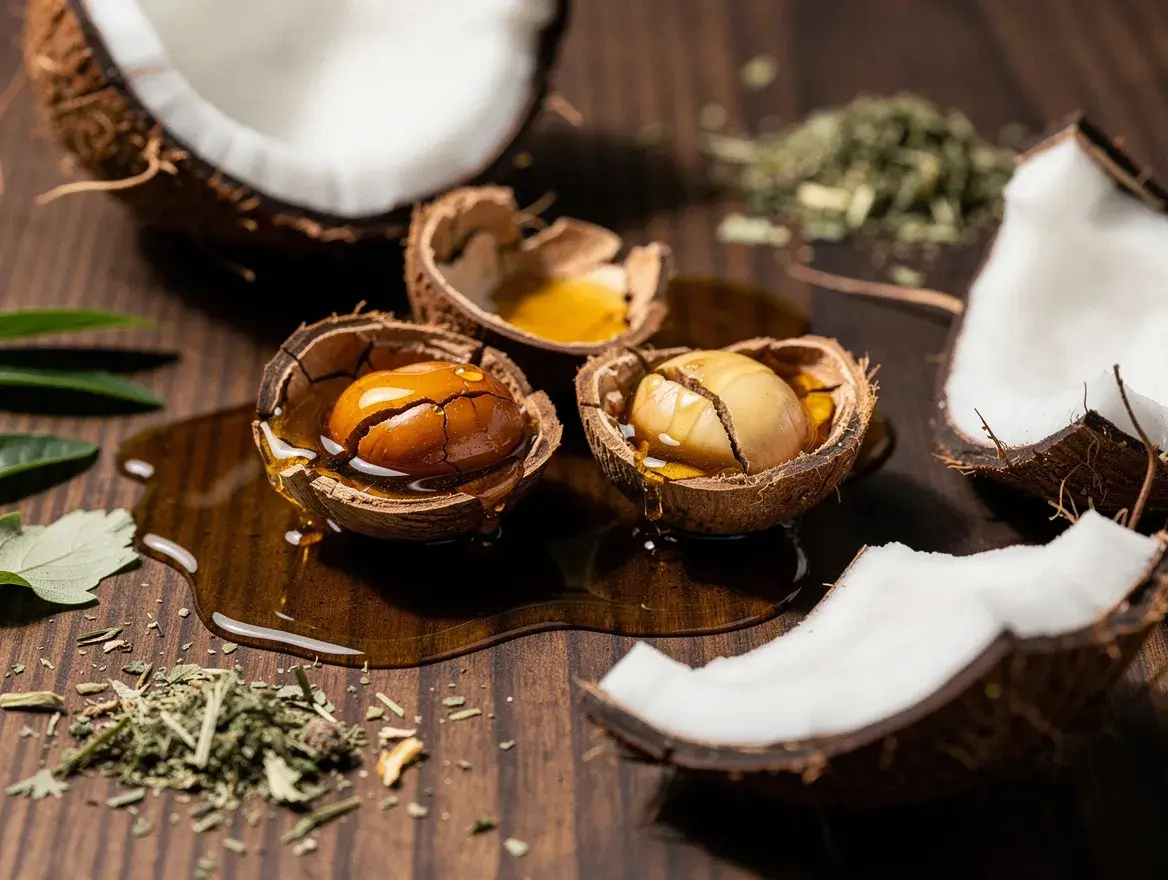
Not all carrier oils behave the same way on the hair. They vary by molecular weight (which determines how deeply they penetrate), fatty acid composition (which determines what kind of nourishment they provide), and texture (which affects how they feel and whether they weigh fine hair down). Understanding the key ingredients helps you choose the right natural hair oil for your specific needs.
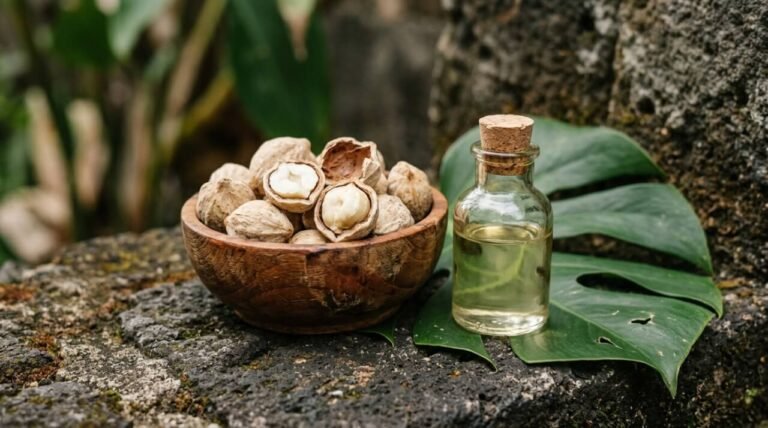
Kukui oil is one of the most under-recognised hair care oils in the Western market, though it has been used across Hawaii and Bali for centuries. Pressed from the nut of the candlenut tree (Aleurites moluccana), it has an unusually lightweight texture for a deeply penetrating oil. Its fatty acid profile includes linoleic and oleic acids in a ratio that allows it to absorb into both the scalp and the hair cortex without leaving residue. It is particularly well suited for dry or sensitised scalps because of its anti-inflammatory properties. We source our kukui oil via the Forestwise partnership in Kalimantan, where the trees are wild-harvested by families who have worked the same groves for generations. You can read more about how this sourcing model works in our comparison of coconut oil versus illipe butter, which covers the Forestwise partnership in depth.
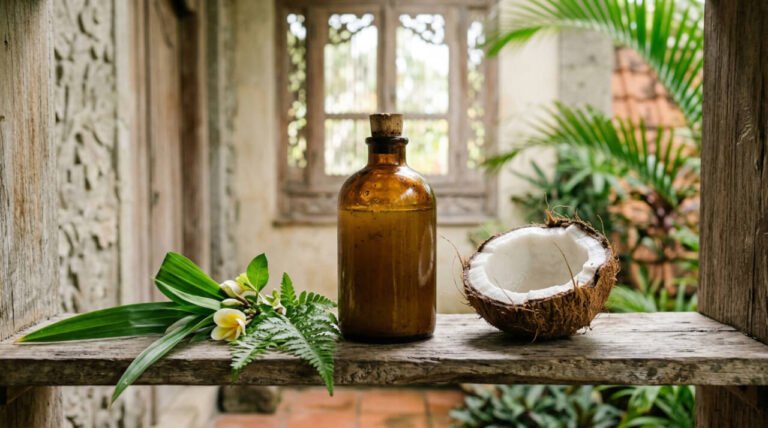
Coconut oil is the foundation of Balinese hair care. Cold-pressed from Bali coconuts, it has a lauric acid content of around 48%, which gives it a unique ability to penetrate the hair shaft rather than sit on top of it. Multiple peer-reviewed studies have demonstrated its effectiveness at reducing protein loss during both pre-wash and post-wash application, which is the primary mechanism of how natural oil protects hair from breakage. Our guide to coconut oil for skin covers the same penetrating properties that make it equally effective on both skin and hair.
Herbal infusions and essential oil additions vary by formulation. Common inclusions in Balinese-influenced hair oils include rosemary (for scalp circulation), pandan (a native aromatic leaf with softening properties), hibiscus (rich in amino acids that strengthen the cuticle), and ginger (which stimulates blood flow to follicles). When essential oils are included, they are present in carefully calibrated concentrations, typically below two percent of the total formulation. Our guide to how to dilute essential oils safely explains why this concentration ceiling matters for scalp health.
Argan oil is often mentioned alongside kukui and coconut in premium natural hair oil blends. Where kukui is lightweight and penetrating, argan is mid-weight and conditioning. Its high vitamin E content makes it particularly effective for hair that has been damaged by heat or colour. If you are interested in what argan does on skin (the mechanisms are largely the same), our overview of argan oil benefits provides a useful reference.
The benefits of using natural hair oil regularly
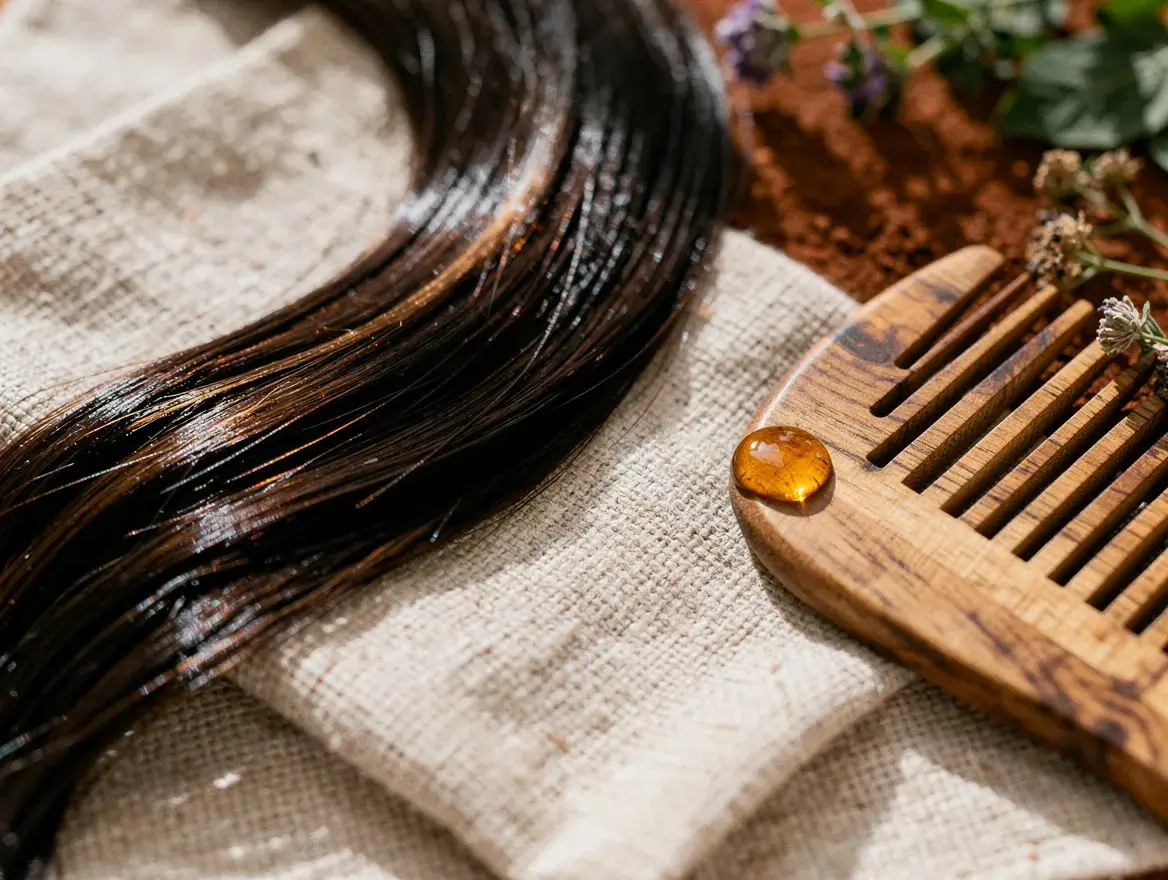
The research on plant-based hair oils is clearer than you might expect. Beyond traditional use, a growing body of peer-reviewed literature confirms what Balinese hair culture has always demonstrated: natural oils applied consistently improve hair condition across several measurable dimensions.
Reduced protein loss during washing. Shampoo strips the hair cuticle. That is what it is designed to do: remove sebum, product buildup, and environmental particulates. The same mechanical process, however, also removes structural proteins from the hair shaft. Pre-wash oil treatment creates a lipid layer that buffers this stripping effect. Studies specifically on coconut oil have shown protein loss reductions of up to 40% when applied before washing compared to washed hair with no pre-treatment.
Scalp microbiome balance. A healthy scalp is not a sterile scalp. The scalp hosts a complex microbiome of bacteria and fungi that, when balanced, maintains the skin barrier, manages sebum production, and reduces inflammation. Scalp conditions like dandruff and seborrheic dermatitis often reflect microbiome disruption. Certain natural oils, kukui in particular, contain compounds that support microbial balance without the aggressive anti-fungal action of medicated shampoos (which tend to reset the microbiome problem rather than address the root cause).
Improved hair elasticity and less breakage. Hair with adequate lipid content in the cortex stretches before it snaps. Brittle hair lacks this elasticity. Regular oil use replenishes the cortical lipids that heat styling, chemical treatments, and over-washing deplete. You may notice this most clearly when brushing: less hair in the brush after two to four weeks of consistent oil treatment is a reliable signal that hair strength is improving.
Scalp hydration and reduced inflammation. The scalp is skin. It responds to care the same way facial skin does. Dry, flaking scalps benefit from oil application in the same way that dry cheeks benefit from a good face oil. The approach we describe in our oil cleansing method guide for the face shares the same core principle: oil does not cause oiliness, it regulates it.
How to use natural hair oil effectively
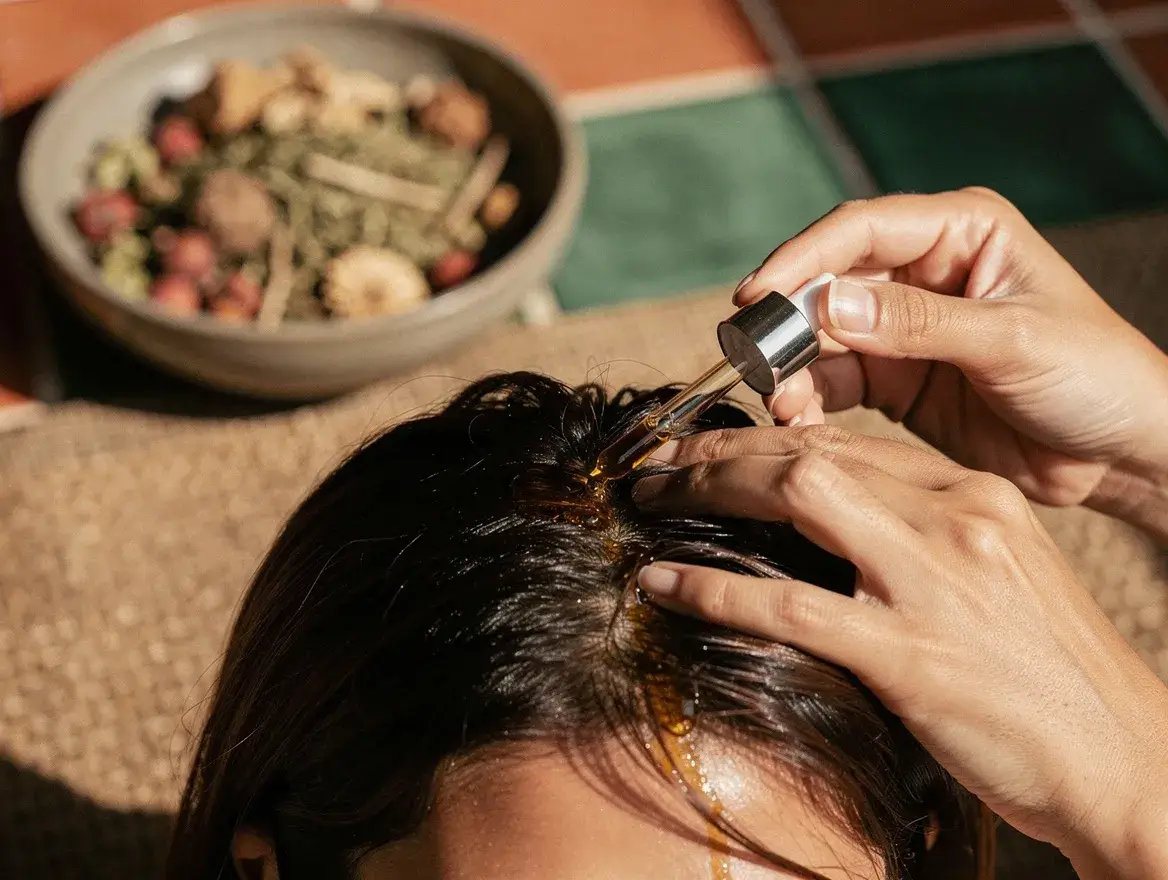
The method matters as much as the product. Many people try hair oil once, apply too much, experience greasy hair, and conclude that oiling does not work for them. The technique is specific, and getting it right takes a little practice.
Pre-wash treatment (most effective for all hair types). Warm a small amount of oil between your palms: three to five drops for fine hair, five to eight drops for medium hair, up to 12 drops for thick or coarse hair. Work the oil through the mid-lengths and ends first, then apply a small additional amount directly to the scalp. Using your fingertips (not fingernails), massage in circular motions for three to five minutes. This stimulates blood flow to the follicles as well as distributing the oil. Leave for at least 30 minutes before washing, or overnight for deeply dry or damaged hair. Wash as normal with a gentle natural shampoo. You may need to shampoo twice to fully remove the oil.
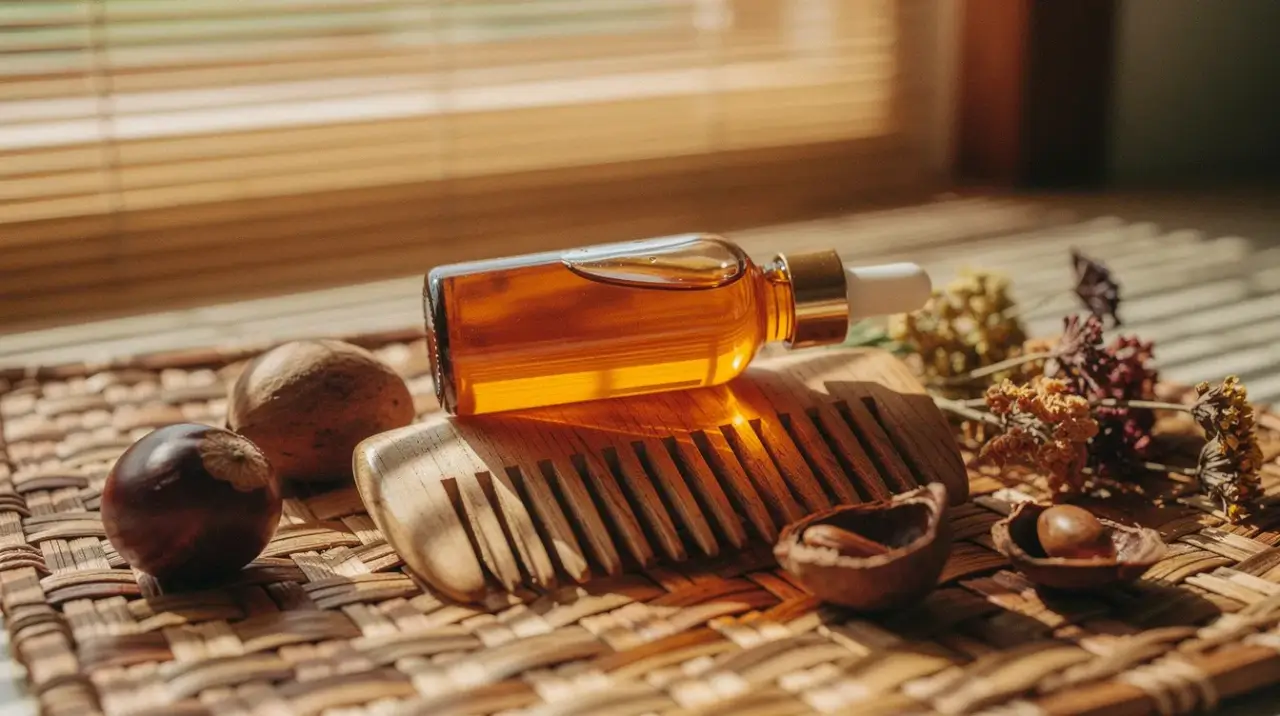
Leave-in application for ends. After washing and conditioning, apply one to two drops of oil to damp hair ends only. Work through with a wide-tooth comb. This seals the cuticle as the hair dries, reduces frizz, and provides additional protection during blow-drying if needed. Do not apply to the scalp or roots: this is an ends-only application for shine and frizz control.
Scalp treatment for dry or inflamed scalps. Apply oil directly to sections of the scalp, parting the hair to reach the skin. Massage gently and leave for at least an hour. This is best done before a wash-day routine. For chronic scalp dryness or dandruff, three treatments per week for four weeks will typically produce a visible improvement in scalp condition.
Our Herbal Silk Hair Oil is formulated for all three application methods. It contains kukui oil as the primary carrier (penetrating and scalp-calming), cold-pressed coconut oil for protein retention, and a blend of Balinese herbal extracts including rosemary and pandan. The texture is lightweight enough for leave-in use on fine hair while providing the depth of treatment needed for overnight pre-wash application on coarser types. It is available as a 50ml glass dropper bottle.

Herbal Silk Hair Oil: rooted in Balinese tradition
Kukui oil, cold-pressed coconut, and Balinese herbal extracts in a lightweight formula that works for all hair types. Pre-wash treatment, leave-in, or scalp care.
Choosing the right natural hair oil for your hair type
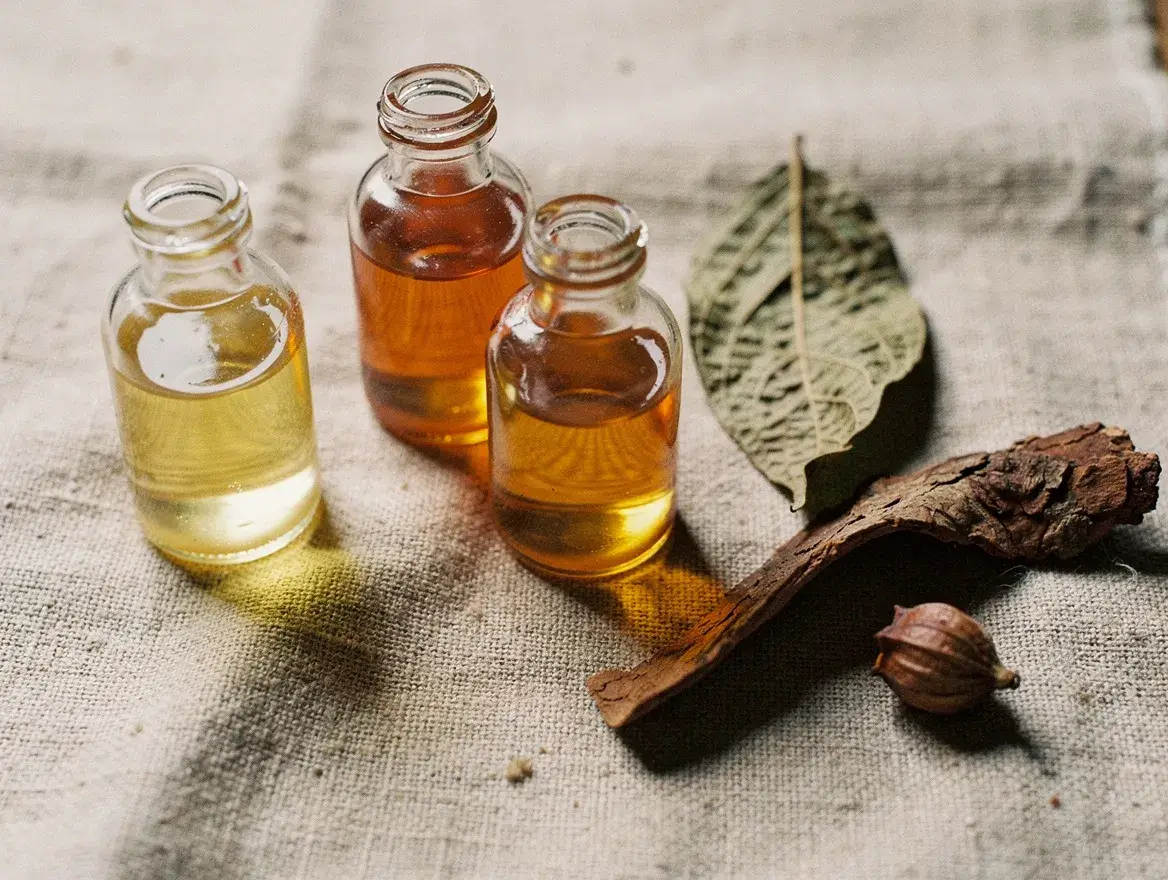
No single oil suits every hair type equally well. Understanding what your hair needs helps you make the most of what natural hair oil can offer.
Dry or damaged hair. This hair type benefits most from deeply penetrating oils with high lauric acid content. Coconut oil is ideal as a pre-wash base, ideally combined with a lighter oil for scalp application so the treatment is not too heavy. If the hair has been damaged by chemical processing or heat styling, overnight pre-wash treatments two to three times per week will produce the most noticeable improvement over a six-week period. Bliss Body Butter ingredients like illipe and kukui, found in our Bliss Body Butter, use the same penetrating-oil principle that makes oil treatment so effective for damaged surfaces.
Fine or oily hair. Fine hair is most affected by the risk of over-oiling. The scalp of people with fine hair tends to produce sebum more quickly, so adding heavy oils to the scalp can create greasiness faster. For this hair type, use a lightweight oil (kukui is ideal) and apply it primarily to the ends and mid-lengths rather than the scalp. Pre-wash treatment is the safest approach: apply, wait 30 minutes, then wash thoroughly. The hair receives the benefit without the post-wash grease risk.
Curly or coily hair. Curl patterns create natural barriers to the movement of sebum from the scalp down the hair shaft. Curly hair is therefore structurally more prone to dryness at the mid-lengths and ends, regardless of how much sebum the scalp produces. Natural hair oil works exceptionally well here as both a pre-wash treatment and a post-wash sealant. After conditioning, applying two to four drops of oil to damp curls seals the moisture into the hair shaft as it dries, a technique that amplifies both definition and hydration.
Colour-treated hair. Chemical colour processes remove the hair’s natural lipid barrier, making strands more porous and prone to dryness. Regular oil treatment is one of the most effective ways to maintain colour-treated hair between salon visits. Use gentle, fragrance-free formulations without essential oils that could strip colour, and focus application on mid-lengths and ends where the hair is most porous. Avoid heat-styling tools directly after oil application, as oil increases heat conductivity and can cause damage at lower temperatures.
Frequently asked questions about natural hair oil
Will natural hair oil make my hair greasy?
Only if you use too much or apply it incorrectly. The most common mistake is applying oil to clean, dry hair at the roots. Natural hair oil is most effective as a pre-wash treatment, where the oil is washed away after it has done its work. For post-wash use, one to two drops on the ends only is all that is needed. Lightweight oils like kukui are less likely to cause greasiness than heavier oils like castor or jojoba. Start with less than you think you need and adjust upward from there.
How often should I use natural hair oil?
For pre-wash treatment, two to three times per week is the standard recommendation for most hair types. For leave-in application on ends, you can use it every wash day. For scalp treatments targeting a specific condition (dryness, dandruff, inflammation), three times per week for a month, then maintenance once or twice a week as needed. There is no benefit to daily scalp oiling for most people, and it can cause product buildup that undermines the microbiome balance you are trying to support.
Can I use natural hair oil directly on my scalp?
Yes, and in many cases you should. Scalp oiling is the foundation of traditional hair care across tropical Asia. A small amount of lightweight oil applied directly to the scalp and massaged in stimulates circulation, nourishes the follicle environment, and supports the skin barrier. The key is moderation: a few drops distributed across the scalp is sufficient. More than that risks clogging follicles and increasing sebum production as the scalp compensates.
How long does it take to see results from natural hair oil?
Three to four weeks of consistent use is the minimum timeframe for meaningful change. Hair grows slowly, and the improvements from oil treatment are structural rather than cosmetic: the hair you have today will not transform overnight, but the hair you grow from a nourished, well-oiled scalp environment is measurably stronger and more resilient. Patience is part of the practice. This is one of the clearest ways natural hair care differs from synthetic alternatives, which promise immediate results but deliver them temporarily.
Natural hair oil is, at its core, an act of trust in a simple process. It asks you to slow down, to apply something real, and to wait for it to work in its own time. In a category saturated with immediate fixes and synthetic promises, that patience is also a kind of wisdom, one that Bali’s hair care tradition has carried for generations.