How to get rid of dark spots naturally: the sunscreen-first truth
Most guides on how to get rid of dark spots naturally open with a list of kitchen remedies: lemon juice, apple cider vinegar, a potato slice, a dab of something acidic. We understand the appeal. The kitchen feels safe, familiar, and cheap. But the honest answer starts somewhere less exciting. Dark spots are mostly a story about sunlight and inflammation, and the most natural thing we can do is stop feeding the process that made them. Everything else is support.
In this guide we separate the two very different things people call “dark spots,” explain why daily sun protection does more than any remedy, name the two popular tips that can quietly make things worse, and look at what botanical and antioxidant care can genuinely offer. We close with the Balinese turmeric tradition, kunyit, and a practical FAQ. No promises of overnight results. Just the truth, and a ritual we can keep.
Two different things we call dark spots
Before choosing a remedy, it helps to know what we are looking at. Most dark spots fall into one of two families, and they behave differently.
Sun spots (solar lentigines)
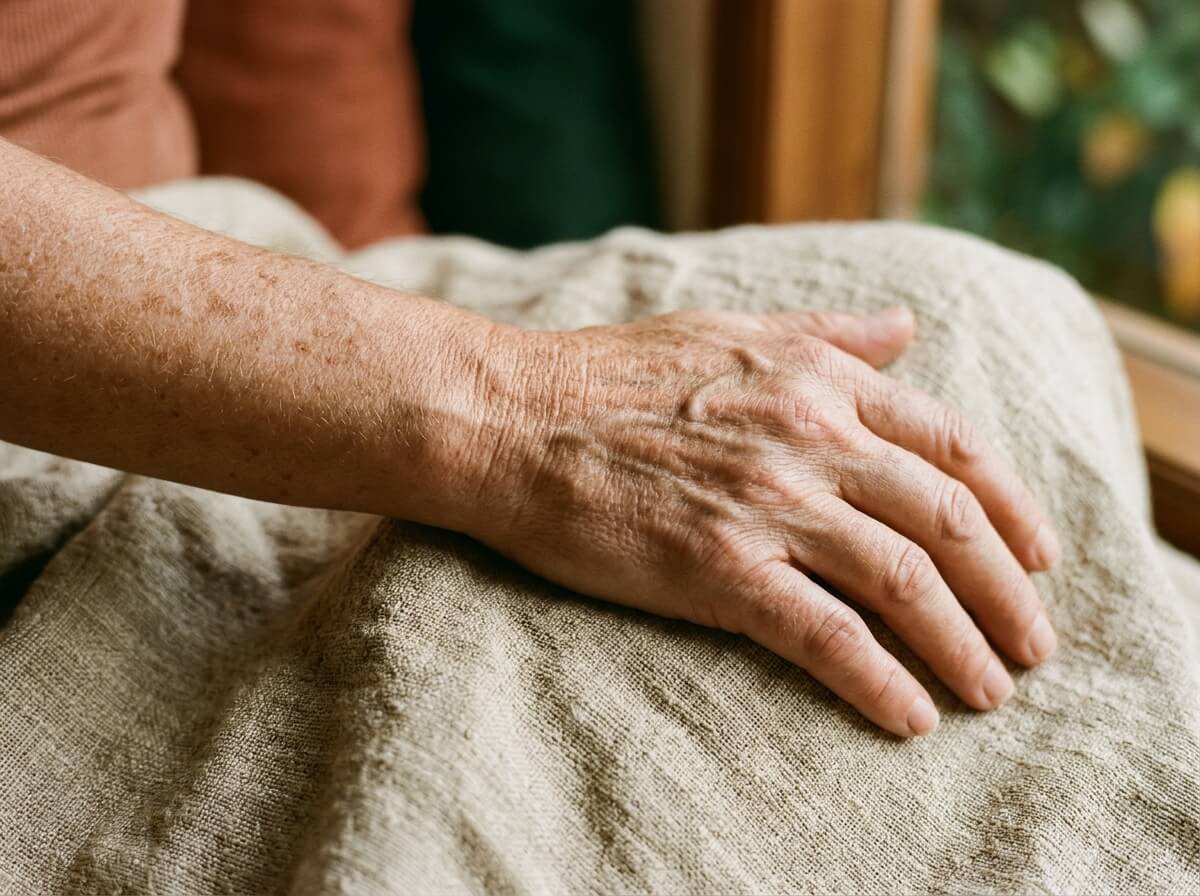
Often called age spots or liver spots (they have nothing to do with the liver), sun spots are flat, tan to dark brown patches that appear on the places the sun reaches most: the backs of the hands, the forearms, the shoulders, the cheeks, and the forehead. They form after years of ultraviolet exposure, as pigment cells in a small patch of skin produce more melanin and keep producing it. They usually appear from our 30s or 40s onward, and they tend to stay. Without sun protection they slowly multiply and darken.
Post-inflammatory hyperpigmentation (PIH)
These are the marks a breakout, a scratch, a bug bite, a burn, or a patch of eczema leaves behind after the skin heals. Inflammation signals pigment cells to release extra melanin, and that pigment lingers in the skin for weeks or months. PIH is more common and more persistent in medium and deeper skin tones, because those skin types have more active pigment cells to begin with. The good news: PIH usually fades on its own once the underlying inflammation stops, as long as the sun is not darkening it in the meantime.
A quick note on red or purple marks left after acne. These are often post-inflammatory erythema, which is a blood-vessel response rather than pigment. They need gentleness and time rather than anything “brightening,” and they respond poorly to harsh scrubs. If you also live with facial redness, our guide to natural skincare for rosacea covers that calm-first approach.
Why the difference matters
Sun spots are a prevention problem: we stop new ones from forming and accept that existing ones will only lighten gradually. PIH is a healing problem: we calm the trigger (the breakout, the rash, the irritation) and protect the mark from sunlight while the skin does its slow work. A remedy that irritates the skin can actually create fresh PIH, which is why the most aggressive tips often backfire.
There is also a third pattern worth knowing: melasma, symmetrical brown patches across the cheeks, upper lip, or forehead, linked to hormones as well as light. Melasma is stubborn and easily aggravated, so it deserves a dermatologist’s eye. And any spot that changes shape, grows quickly, bleeds, itches, or has an uneven border or mixed colors should be checked by a doctor before we treat it as cosmetic.
How to get rid of dark spots naturally starts with sunscreen
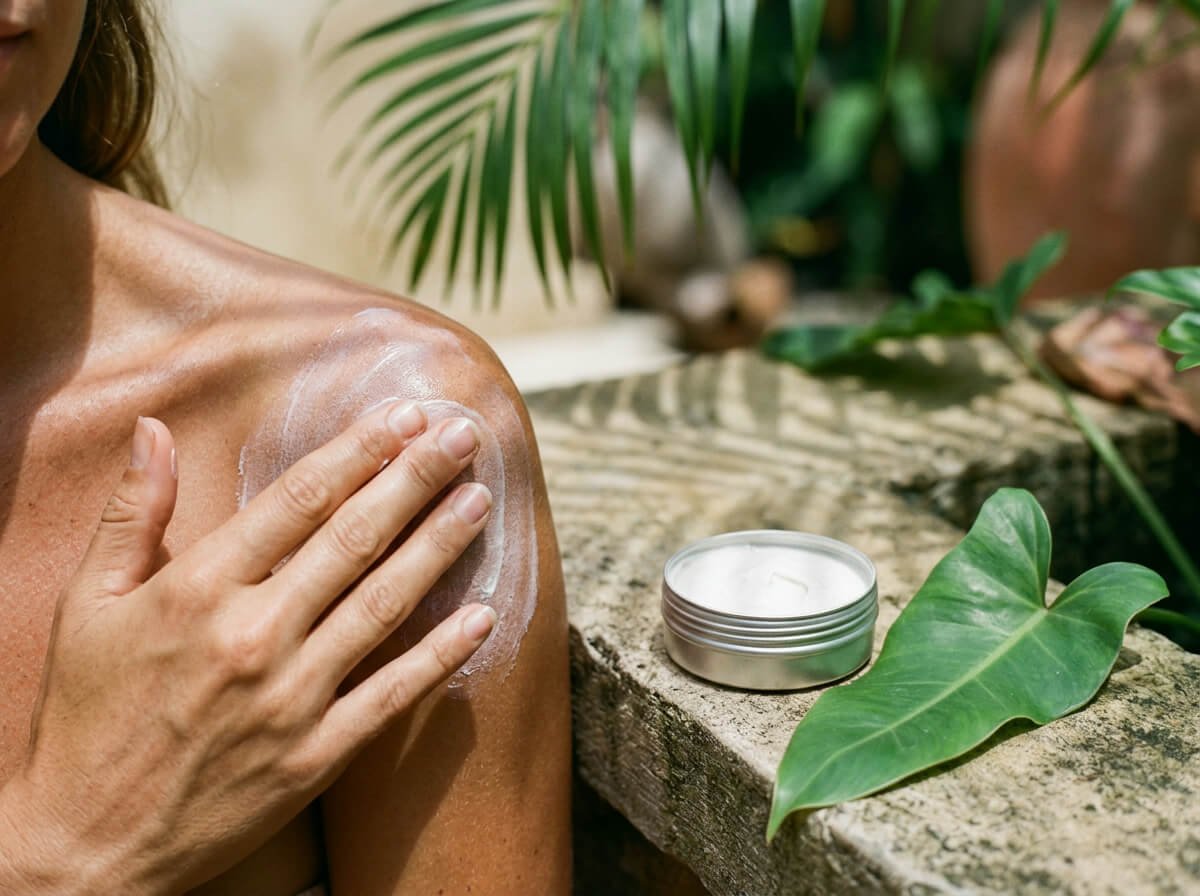
Here is the part most remedy lists skip. Ultraviolet light is the trigger behind sun spots and the darkening force behind almost every other kind of pigmentation. If new pigment keeps forming every sunny afternoon, no serum, oil, or mask can keep up. Fading a spot while it is still being re-darkened is like sweeping a path in a sandstorm.
That is why dermatologists consistently put daily sun protection at the center of every pigmentation plan. It is not glamorous, and nobody posts a before-and-after of a spot that never formed. But it is the single highest-leverage habit we have, and it is entirely within reach.
Why mineral filters suit this job
Zinc oxide is a mineral filter that covers a broad range of ultraviolet light, including the longer UVA rays that pass through clouds and window glass and play a big role in pigmentation. It sits on the skin rather than being absorbed, and it is generally well tolerated by sensitive and reactive skin. We go deeper into the filters, the labels, and what “reef safe” really means in our guide to the best natural sunscreen, and we cover texture and layering for the face in natural sunscreen for face.
Our own Zinc Natural Sunscreen SPF50 keeps the ingredient list short: water, zinc oxide, vitamin E, and beeswax. We make it in Bali, under the same equatorial sun that taught us how quickly unprotected skin darkens.
A sunscreen ritual that actually prevents spots
- Every morning, every season. UVA is present on cloudy days and in winter. Make sunscreen the last step of the morning routine, the way brushing teeth closes the night.
- Use enough. Most of us apply about half the amount needed for the labeled protection. For the face and neck, think roughly a teaspoon.
- Do not forget the usual suspects. The backs of the hands, the tops of the ears, the chest, and the part line on the scalp collect years of sun.
- Reapply when outdoors. About every two hours in direct sun, and after swimming or heavy sweating.
- Add shade and fabric. A wide-brimmed hat, sunglasses, and a light long sleeve do quiet, reliable work. Avoiding the strongest midday hours helps most of all.
Give it time. Within a few months of consistent protection, many people notice that spots stop darkening and PIH fades faster than before. That is the foundation. Everything else in this guide builds on it.
Two popular remedies that can make sun spots worse
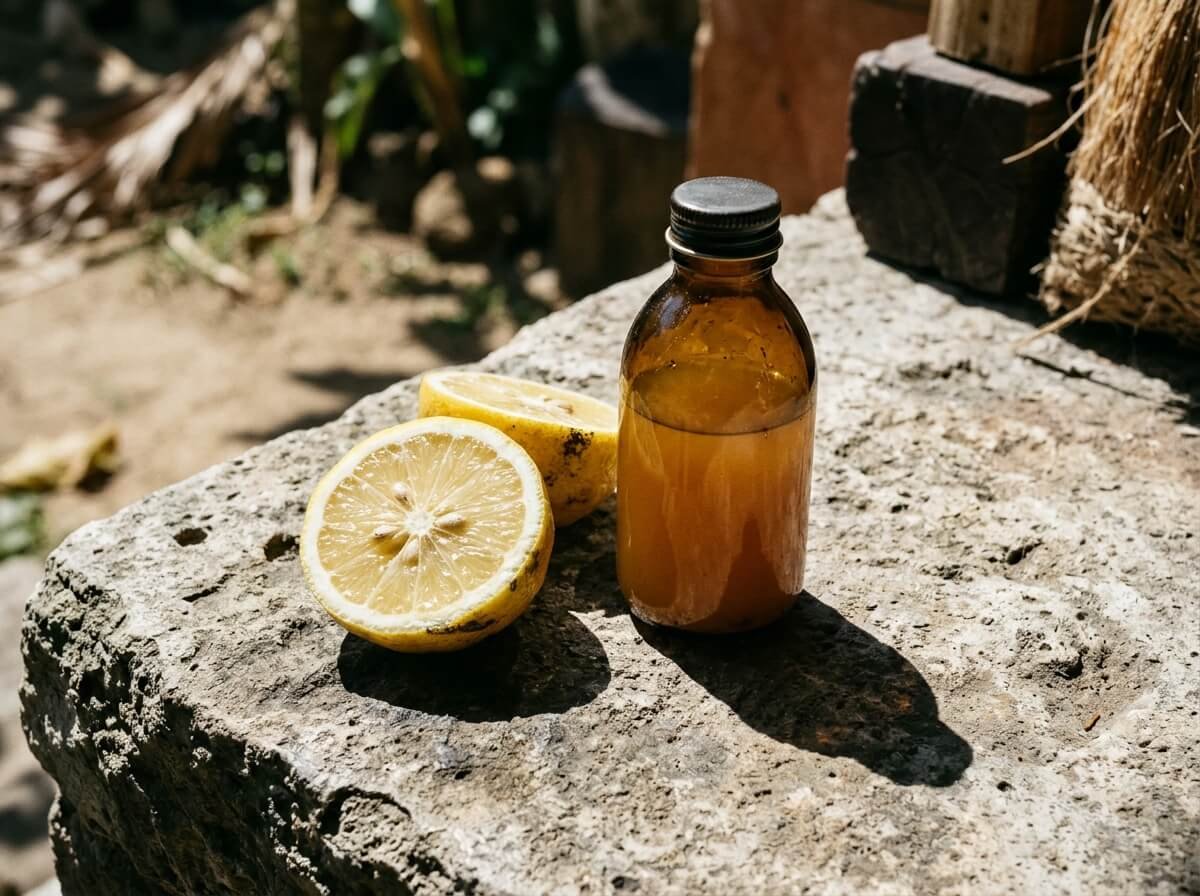
We want to be direct here, because these two tips appear on almost every list of natural dark spot remedies, and they can do real harm.
Lemon and lime juice
The logic sounds reasonable: citrus contains vitamin C and acid, both associated with brightening. The problem is twofold. First, citrus juice is strongly acidic, often around pH two, which can sting, irritate, and inflame skin, and inflammation is exactly what triggers PIH. Second, citrus fruits, especially limes, contain natural compounds called furanocoumarins. When these sit on skin that then meets sunlight, they can cause a reaction called phytophotodermatitis: redness, blistering, and then dark, streaky pigmentation that can last for months. Dermatologists sometimes see it after a day of squeezing limes outdoors.
So painting lemon juice on a sun spot and stepping outside is one of the more reliable ways to make that area darker. The same light-sensitizing chemistry is why we lead with a phototoxicity warning in our guide to bergamot essential oil benefits: cold-pressed bergamot carries the same family of compounds. The vitamin C that genuinely helps pigmentation comes in stable, measured forms in formulated products, not from fruit juice.
Apple cider vinegar
Apple cider vinegar is an unbuffered acid. Medical literature includes case reports of chemical burns from people applying it to moles, warts, and blemishes, especially under a bandage or left on overnight. There is no good evidence that it fades pigmentation. What it can reliably do is irritate the skin barrier, and an irritated barrier is a short road to new dark marks, particularly in deeper skin tones.
The pattern to notice
Both remedies share a flaw: they treat “stronger” as “better.” With pigmentation, the opposite is usually true. Gentle and consistent beats harsh and occasional, every time. The same caution applies to rough scrubs, baking soda pastes, and undiluted essential oils. If a remedy burns, tingles hard, or leaves the skin red, it is working against us. When the barrier is already struggling, our guide on how to repair skin barrier is the better first step.
When a natural remedies list is not natural at all
Read enough “natural” dark spot guides and a curious thing happens. Somewhere between the aloe vera and the green tea, glycolic acid, lactic acid, and other hydroxy acid peels appear on the list. These are effective, well-studied exfoliants used by dermatologists. They are also, in the forms sold for skincare, refined or lab-produced ingredients. Placing them on a “natural remedies” list borrows the comfort of the kitchen to sell a chemical peel.
We have no problem with acids. We have a problem with pretending. Hydroxy acids also make skin more sensitive to the sun, which matters a great deal when the goal is fading sun-triggered pigment. Used without daily sunscreen, they can leave us right where we started, or darker.
In our guide to skincare ingredients to avoid, we wrote about reading past the front of the label. The same habit helps here. Ask three questions of any “natural” dark spot product or tip:
- What is the active ingredient, exactly? A vague promise of “botanical brightening” without a named ingredient is a signal to look closer.
- Does it make my skin more sun-sensitive? Acids, retinoids, and some citrus oils do. That is fine, but only with consistent protection.
- Is it honest about where it came from? A lab-made ingredient can be excellent. It just should not be dressed up as something picked from the garden.
A sharper warning belongs here too. Across Southeast Asia and beyond, unregulated “whitening” creams still circulate, and some have been found to contain mercury or undeclared steroids. The World Health Organization has warned about mercury in skin-lightening products for years. Fading a sun spot is not the same as changing the color of our skin, and no healthy skin tone needs correcting. The goal of this guide is an even, calm, protected complexion in the tone we already have.

For a broader look at how marketing language blurs these lines, our piece on clean beauty explores what the label can and cannot tell us.

Prevention is the gentlest remedy
Our Zinc Natural Sunscreen SPF50 keeps it simple: zinc oxide, vitamin E, beeswax, and water, made in Bali for daily wear under a strong sun. Protect the skin you have, and give every dark spot room to fade.
What antioxidants and botanicals can honestly do
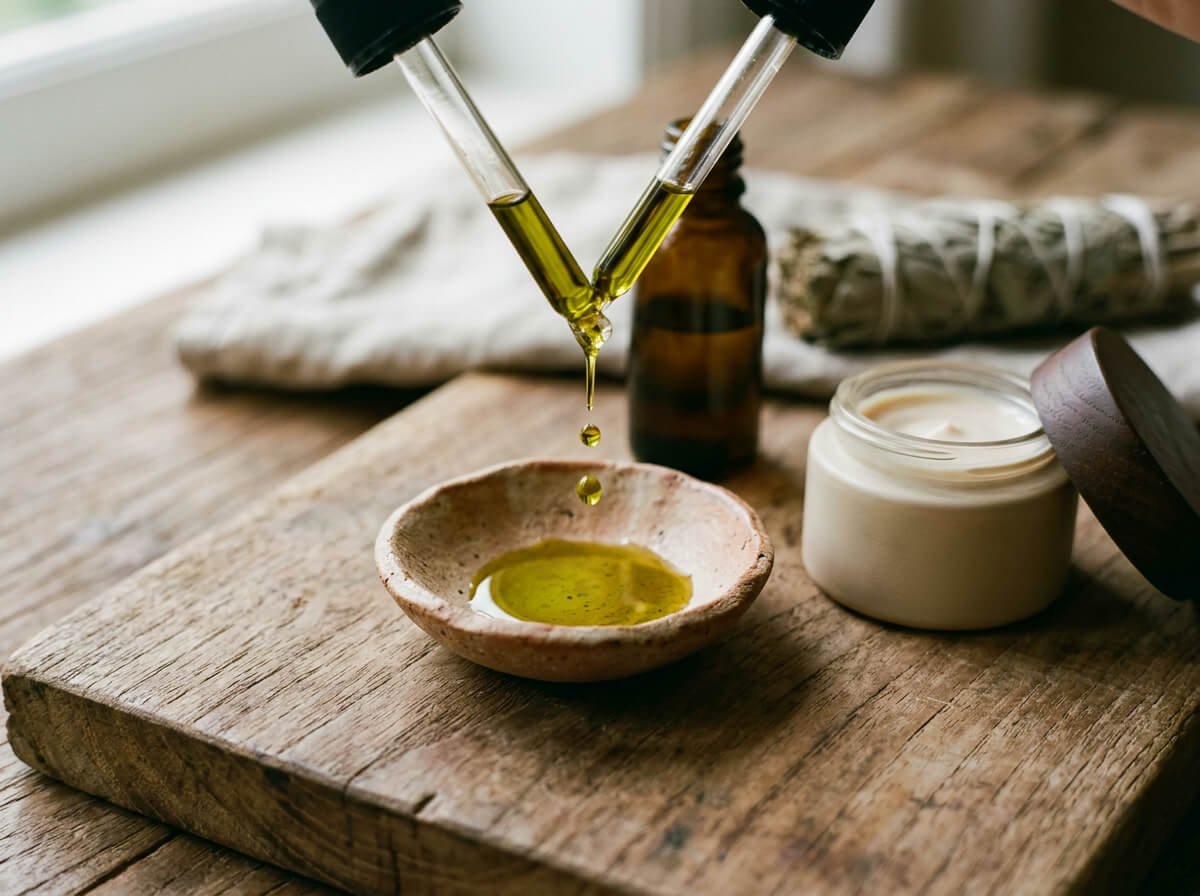
Once sun protection is in place, supportive care can help pigment fade a little faster and keep the skin calm while it does. The key word is support. No oil or cream erases a spot. Here is what the evidence can reasonably back.
Vitamin C and niacinamide
These two have the strongest research behind them among everyday ingredients. Vitamin C is an antioxidant that interferes with the enzyme skin uses to make melanin, and it helps neutralize some of the free radicals sunlight generates. Niacinamide (a form of vitamin B3) reduces how much pigment travels from pigment cells into the surrounding skin cells, and studies have shown visible improvement in uneven tone over roughly two months of consistent use. Both are gentle enough for most skin types.
In keeping with the honesty we asked for above: the niacinamide and vitamin C in modern skincare are made in a lab, not pressed from a plant. Our HydroBotanic 3-in-1 Hydrating Face Cream pairs both with ceramides, argan oil, and rosehip oil, and we say plainly that it blends botanical oils with well-studied actives. It also contains blue tansy, roman chamomile, and lavender, so anyone sensitive to essential oils should patch test first.
Calming oils for marks that follow breakouts
For PIH, the most useful thing an oil can do is help the skin heal calmly, because less inflammation means less new pigment. Tamanu oil, pressed from the nut of the Calophyllum inophyllum tree that grows along Indonesian coastlines, has a long traditional use for wounds and scars, and lab studies support its soothing and wound-healing properties. Our single-ingredient Tamanu Oil contains nothing else, which makes it a quiet choice for reactive skin. We explore it fully in tamanu oil benefits.
Argan oil is rich in vitamin E and fatty acids that support the barrier. Some early lab research has explored argan compounds and melanin production, but that work is in cells, not people, so we treat Argan Oil as a nourishing base rather than a spot treatment.
If breakouts are the root cause, treating the breakout early is the best way to prevent the mark at all. Our Acne Treatment Oil is a targeted spot blend of jojoba, tamanu, tea tree, and turmeric root oils, applied only to the blemish rather than the whole face. And for the scar side of healing (texture rather than color), see our guide to essential oils for scars, which covers a different mechanism.
What about retinoids and gentler cousins?
Retinoids speed up skin turnover and can help pigment shed more quickly, but they are irritating for many people and also increase sun sensitivity. Bakuchiol, a plant-derived ingredient, is often discussed as a gentler alternative, though its research is smaller. We compared these options in our guide to the natural retinol alternative. Whatever we choose, the rule is the same: introduce one new active at a time, and never without sunscreen.
Kunyit: the Balinese brightening tradition, done with care
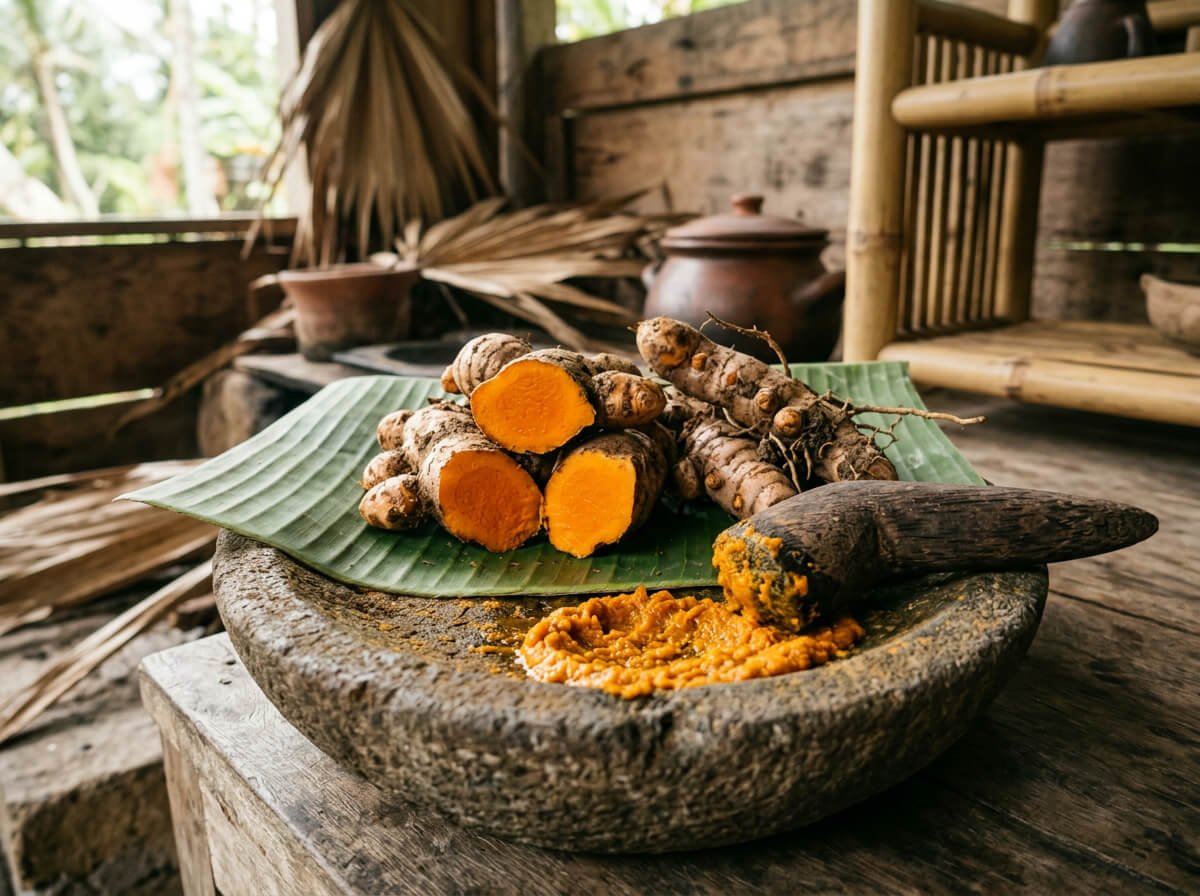
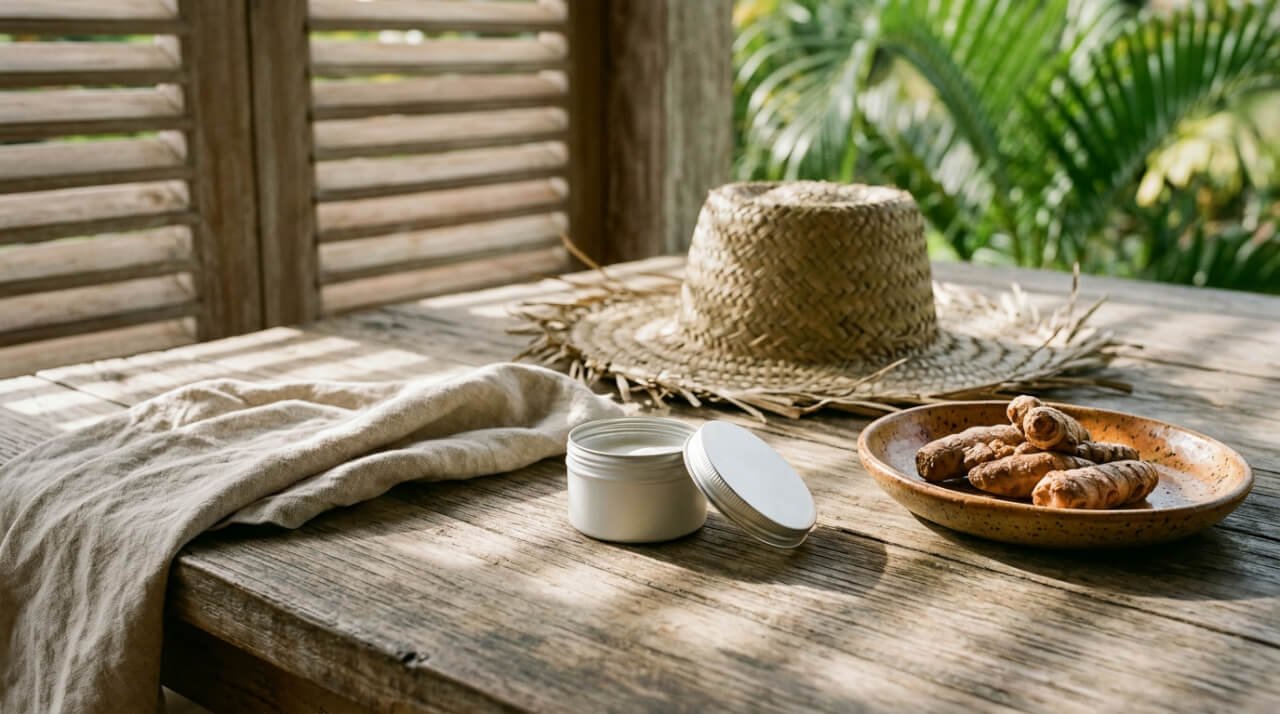
Long before brightening serums, families across Bali and Java turned to kunyit, fresh turmeric root. It appears in boreh and lulur body treatments, in the bright yellow jamu kunyit asam that many Indonesians drink, and in the everyday knowledge passed between generations of healers and home cooks. It is one of the oldest skin-care ingredients in the archipelago, and it remains part of daily life rather than a trend.
Modern research gives this tradition some honest backing. Curcumin, turmeric’s best-known compound, has antioxidant and anti-inflammatory properties, and small clinical studies of turmeric extract creams have shown modest improvement in facial pigmentation over a few weeks. Modest is the right word. Turmeric is a gentle supporting player, best suited to calming the inflammation that leads to PIH, not a way to remove an established sun spot.
If we use turmeric at home, a few practical cautions keep it a kind ritual:
- It stains. Fresh turmeric can leave a yellow tint on fair skin, nails, and towels for a day or two. Mixing a small amount into yogurt or honey and rinsing after 10 minutes helps.
- Patch test first. Turmeric can cause contact dermatitis in some people, and any reaction risks new pigment.
- Never mix it with lemon juice. Many online recipes do. We now know why that is a poor idea.
- Respect where it comes from. Kunyit belongs to a living tradition. We share it as knowledge we have been given, not as a beauty trend.
We have written about the plant itself, its history, and how to use it safely in our full guide to turmeric for skin, so we will not repeat it all here. The lesson kunyit offers this topic is simple: tradition has always paired turmeric with patience, warmth, and regular practice, never with harsh shortcuts.
A gentle way to bring this together in a week: sunscreen every morning, a calming moisturizer at night, a spot treatment only on active blemishes, and perhaps one turmeric and yogurt mask on a slow weekend afternoon (followed, of course, by sunscreen the next morning). That rhythm is closer to how Balinese families have cared for skin for generations than any 10-step brightening routine.
How to get rid of dark spots naturally: frequently asked questions
How long does it take for dark spots to fade naturally?
It depends on the type. Post-inflammatory marks often fade over three to six months, and deeper marks in darker skin tones can take a year or longer. Sun spots rarely disappear on their own, though consistent sun protection and supportive care can soften them over several months. If we see no change after six months of daily sunscreen and gentle care, it is a good time to see a dermatologist.
Do dark spots on the body need different care than on the face?
The approach is the same, but body skin heals more slowly, so marks on the chest, arms, and legs often take longer to fade. The backs of the hands and the chest are frequently forgotten when applying sunscreen, which is why they collect so many sun spots. Keep a tin of sunscreen by the door so hands and forearms are covered too.
Does aloe vera help dark spots?
Aloe contains a compound called aloin that has shown some effect on pigment in early research, and the gel soothes irritated, sun-exposed skin. It is best viewed as calming support rather than a spot treatment. Our guide to aloe vera for sunburn explains how to use it well after a day outdoors, which is exactly when calming the skin helps prevent new marks.
Can essential oils fade dark spots?
We would not rely on them for this. Some, like cold-pressed bergamot, lemon, and lime, can make skin more sensitive to light and worsen pigmentation. Others are lovely for scent and mood, but there is little evidence that any essential oil fades melanin. If an oil feels right in a routine, keep it well diluted and away from sun-exposed skin when it is a citrus oil.
Is it safe to exfoliate dark spots?
Gentle exfoliation a couple of times a week can help, but harsh scrubs and frequent peels irritate the skin and can trigger new pigment, especially in deeper skin tones. Choose one mild method, watch how the skin responds, and pair it with daily sunscreen.
When should we see a dermatologist?
See a doctor for any spot that is new and changing, has an irregular border or several colors, grows, bleeds, or itches. Also see one for melasma, or for pigmentation that has not responded to six months of consistent care. Dermatologists can offer prescription creams, in-office peels, and laser or light treatments, and can confirm that a spot is harmless before we treat it at home.
Can we prevent dark spots from coming back?
Mostly, yes. Daily broad-spectrum sun protection, early and gentle care for breakouts and rashes, and resisting the urge to pick at blemishes prevent the majority of new marks. A simple, steady natural skincare routine does more over a year than any intensive fix.
The quiet takeaway
Learning how to get rid of dark spots naturally is less about finding the right remedy and more about removing the wrong pressures. Protect the skin from the sun every day. Calm inflammation early. Skip the lemon and the vinegar. Choose supportive ingredients that are honest about what they are. Then give the skin time, because pigment fades on the skin’s schedule, not ours.
It is a slower path than the internet promises. It is also the one that works, and it treats our skin with the patience it has always deserved. What we give, we get back.