How to switch to natural deodorant: an honest, calm transition guide
If you have tried to switch to natural deodorant before and gone back to your old antiperspirant within a week, you are not alone, and you did not do it wrong. Most guides on how to switch to natural deodorant skip the part that actually matters: the first ten to fourteen days feel different, and that difference gets mistaken for failure. This guide walks through what is really happening under your arms during the switch, which ingredients deserve a closer look, and how to make the change stick without the panic, the detox myths, or the extra trash.
We will be honest about the timeline, honest about the ingredients, and honest about what your body is and is not doing. No armpit detox theatrics. Just a calm, credible path from one deodorant to another.
Why does any of this matter beyond comfort? Conventional antiperspirants have been under growing scrutiny for their aluminum compounds and synthetic fragrance loads, and more people are asking simple, reasonable questions about what they are putting on skin that sits close to lymph nodes every single day. You do not need to subscribe to any particular fear to want a simpler formula. Wanting fewer, better-understood ingredients is reason enough.
Why switching to natural deodorant feels harder than it should

Walk down any clean beauty aisle and you will find a shelf of deodorant promises: detox sticks, probiotic balms, magnesium sprays, baking soda bars. The sheer number of options is part of the problem. Most people try one, feel damp or notice a smell by afternoon within the first few days, and conclude that natural deodorant simply does not work for their body.
What is actually happening is simpler and far less alarming. Your underarms have spent years, sometimes decades, adapting to an antiperspirant that physically plugs sweat ducts with aluminum compounds. Remove that plug, and sweat returns to doing its ordinary job: regulating temperature. At the same time, the skin microbiome, the community of bacteria that lives on your skin and actually causes the odor associated with sweat, has to rebalance without the antimicrobial pressure antiperspirants apply. That rebalancing takes a little time. It is not a flaw in your body or in the product. It is biology working the way it was built to.
Understanding this one mechanism changes the entire experience of switching. Instead of treating day four’s unexpected smell as proof that natural deodorant failed, you can recognize it as a predictable, temporary phase with a known endpoint.
There is also a quieter, less discussed reason the switch feels harder than it should: habit. Applying the same antiperspirant each morning is automatic, and automatic routines are comforting precisely because they ask nothing of us. A new deodorant asks for a little attention again, a slightly different application, a watch on how your skin responds that first week. That friction is real, but it is temporary too, and it fades at roughly the same pace the microbiome settles. Expect both, and neither will catch you off guard.
The armpit detox myth, gently corrected
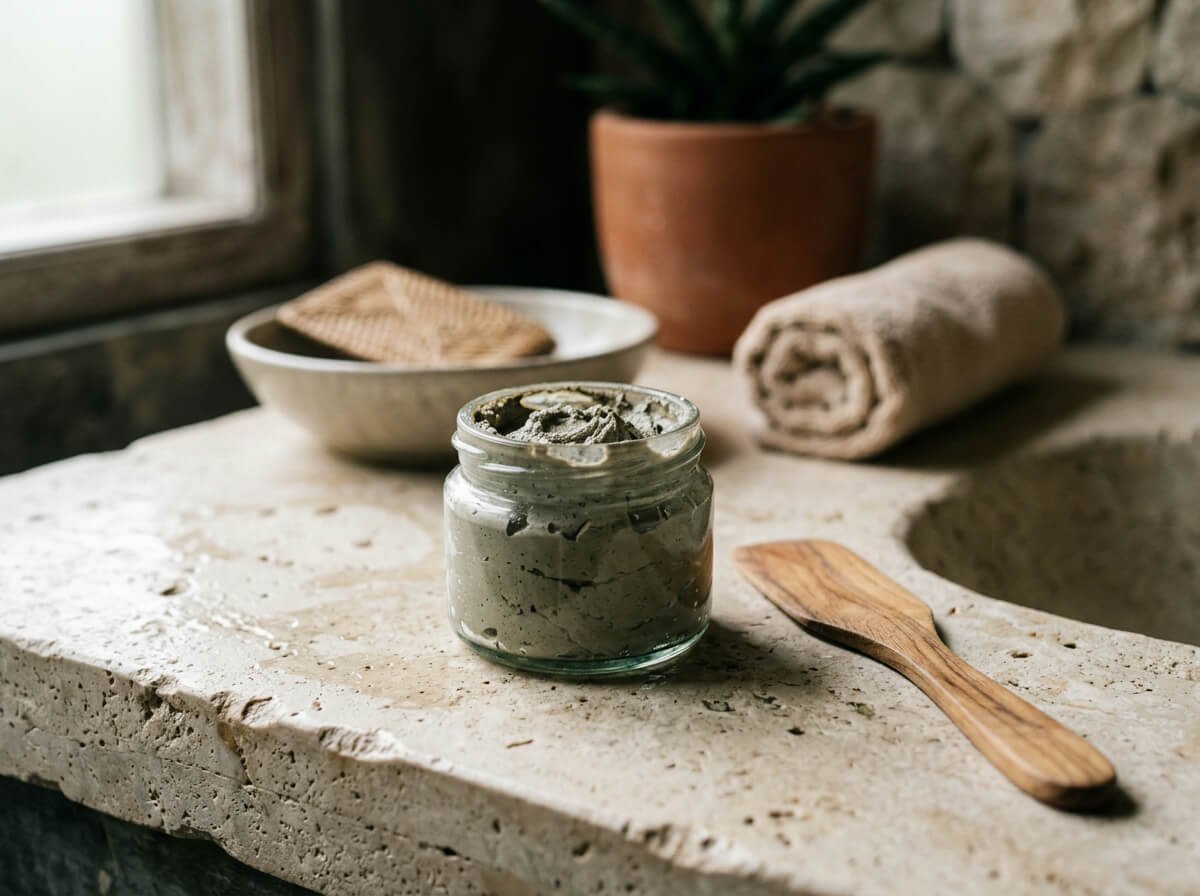
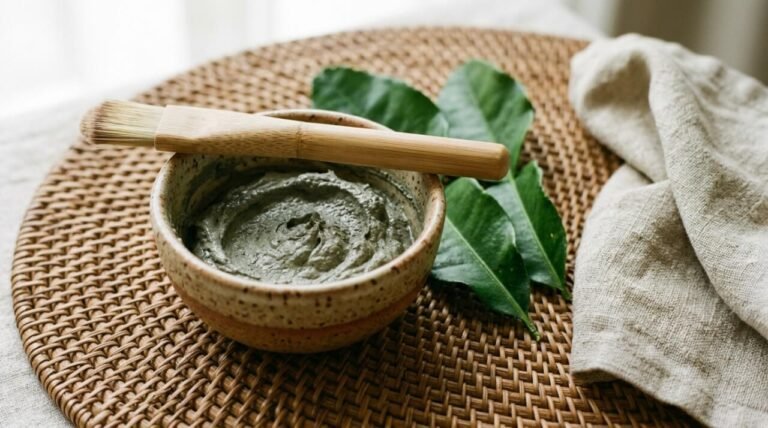
Search for how to switch to natural deodorant and you will quickly meet the armpit detox: a two-week ritual of clay masks, apple cider vinegar soaks, and warnings that your body is flushing out years of stored toxins. We want to correct this plainly, because it is one of the more persistent pieces of misinformation in natural personal care.
Sweat glands do not store toxins, and they do not release them on a schedule once an antiperspirant is removed. There is no reservoir of aluminum or chemical buildup sitting under the skin waiting to be drawn out by clay. What a clay mask or vinegar rinse can do is gently cleanse and mildly exfoliate the skin, which may feel nice, but it is not performing a detox in any physiological sense. Calling it one creates fear around a transition that is, at its core, just a microbiome adjustment.
Here is the version we stand behind: the odor-causing bacteria on your skin shift in number and type once antiperspirant pressure is lifted, your skin’s natural pH and moisture balance resettle, and both processes take roughly two to three weeks. No toxins, no drama, no detox industry required. Rooted wisdom paired with plain biology tells the truer story, and the truer story is also the less frightening one.
We say this as a brand built on genuine botanical tradition, which is exactly why we will not borrow the language of detox to sell a deodorant. Real care means telling you what is actually happening in your body, not what sounds more dramatic on a label. A clay mask can still be a lovely, soothing ritual. It is just not the mechanism doing the real work here. The microbiome is.
Antiperspirant vs deodorant: what you are really leaving behind
It helps to be precise about what you are actually changing. Antiperspirants and deodorants solve two different problems, and most conventional products on the market are both at once.
An antiperspirant works by using aluminum-based compounds, most commonly aluminum chlorohydrate or aluminum zirconium, to form a temporary plug within the sweat duct. Less sweat reaches the surface, so there is less moisture for odor-causing bacteria to feed on. A deodorant, by contrast, does not block sweat at all. It works by neutralizing odor directly, usually through antimicrobial ingredients, pH adjustment, or odor-absorbing minerals, while sweat continues as normal.
Choosing a aluminum-free deodorant means your body will sweat the way it is designed to. For most people that is a welcome return to normal thermoregulation, though it does mean recalibrating expectations around a damp shirt on a hot day. What you are leaving behind is the pore-plugging mechanism, not your body’s ability to manage odor. Read our full breakdown of natural deodorant ingredients to avoid if you want the ingredient-level detail behind this distinction.
One honest caveat: if you manage a diagnosed condition such as hyperhidrosis, sweat volume is a medical consideration, and a natural deodorant will not change that underlying picture. The decision to pause or continue antiperspirant use in that case is worth discussing with a doctor rather than deciding from a blog post, this one included. For everyone else, the switch is simply about comfort, ingredient preference, and what your skin and your values ask for.
Ingredients to look for, and ingredients to approach with care

Not every natural deodorant formula behaves the same way on skin, and the switch goes more smoothly when you know what you are reading on the label.
- Baking soda (sodium bicarbonate): effective at neutralizing odor and widely used in early-generation natural formulas, but its pH sits well above skin’s natural range. For many people this is fine. For those with sensitive or reactive underarm skin, it is the single most common cause of redness, itching, or a rash during a switch. If this describes you, look for a baking-soda-free formula first.
- Magnesium hydroxide: a gentler alternative that raises skin pH just enough to make it inhospitable to odor-causing bacteria, without the irritation baking soda can cause. A dependable middle ground for sensitive skin.
- Arrowroot powder or tapioca starch: absorb moisture to help manage dampness, playing a role similar to cornstarch in older formulas. Gentle, inert, and well tolerated by nearly everyone.
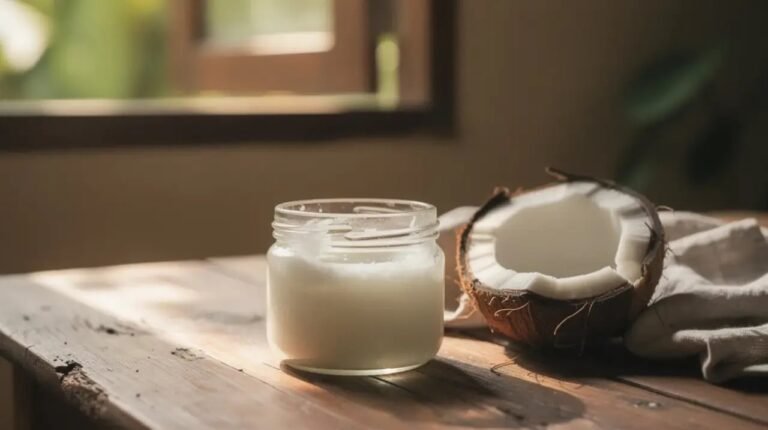
- Coconut oil: carries mild antimicrobial properties and softens the formula against skin, while also acting as a moisturizing base that counters the dryness some natural formulas leave behind.
- Probiotic or prebiotic cultures: a newer approach that works with the skin microbiome directly, supporting the bacteria that keep odor in check rather than fighting them. Our own Probiotic Deodorant takes this route, pairing live cultures with sage and cedar botanicals instead of leaning on baking soda alone.
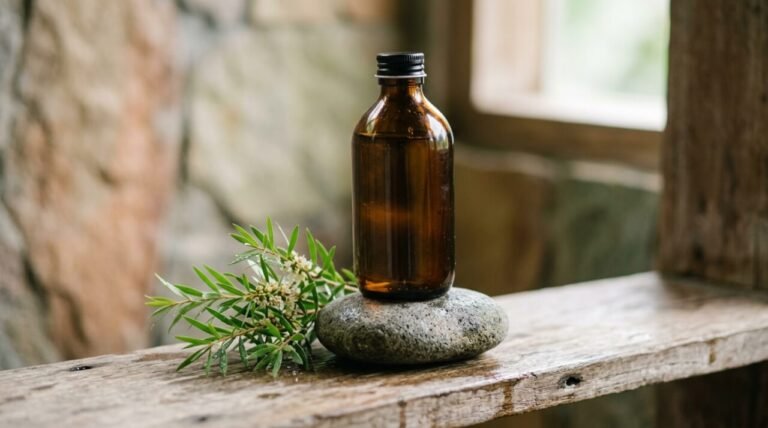
- Tea tree oil: a well-studied antimicrobial that targets odor-causing bacteria directly on contact, often used in smaller concentrations alongside a base like coconut oil or shea butter rather than as a standalone ingredient.
- Shea butter or cocoa butter: emollient bases that soften formula texture and protect skin that has gone dry from frequent reapplication during the transition weeks.
A practical label-reading habit: look for a short, recognizable ingredient list rather than one padded with filler. A formula built around four or five purposeful ingredients, each doing a specific job, will almost always perform and feel better on skin than one with twenty, most of which are there for texture or shelf life rather than odor management.

If you are switching specifically because of reactive or easily irritated skin, our guide to natural deodorant for sensitive skin goes deeper into formula selection and patch-testing before you commit to a full switch.
Fragrance deserves its own line of scrutiny too. Many conventional sticks lean on synthetic fragrance to mask odor rather than manage it, which is its own form of covering up the problem instead of addressing it. Formulas built around essential oils and botanical extracts, such as our His Deodorant and Hers Deodorant, scent the skin with the same plants doing the odor-managing work, rather than layering a separate perfume over an unresolved problem.
A realistic two to three week transition timeline

Knowing roughly what to expect, week by week, is the single biggest factor in whether someone sticks with the switch or gives up at the hardest point.
- Days one to three: sweat ducts, no longer plugged, resume normal output. You may notice more visible moisture than you are used to. Odor is usually mild at this stage.
- Days four to ten: this is the stretch most people misread as the product not working. The skin microbiome is actively rebalancing, and odor can be more noticeable than either the old antiperspirant or the eventual steady state. Reapplication at midday is common and expected here, not a sign of failure.
- Days eleven to eighteen: bacterial balance begins to settle. Most people notice odor becoming more manageable and more predictable, closer to what it will feel like long term.
- Day nineteen onward: the new baseline. Sweat remains normal, but odor control from the deodorant formula is now working with a stabilized microbiome rather than against a disrupted one. This is the point at which most people describe the switch as fully complete.
A few things shorten or smooth this window: avoiding antiperspirant entirely during the transition rather than alternating, giving the new formula a full two to three minutes to dry before dressing, and resisting the urge to reapply antiperspirant at the first sign of midday odor. One honest reapplication of your natural deodorant in the early afternoon is a normal part of the adjustment, not a sign you chose the wrong product.
Clothing choices help too, more than people expect. Natural fibers such as cotton and linen let air move across the skin and allow sweat to evaporate rather than sit trapped against synthetic fabric. During the adjustment window especially, a breathable fabric does real, measurable work alongside whatever deodorant you have chosen. It is a small detail, but small details add up to the difference between a smooth two weeks and a frustrating one.
Diet and hydration play a smaller but real supporting role as well. Sweat itself is mostly water and salts, nearly odorless on its own. Odor comes from bacteria metabolizing compounds on the skin’s surface, and some of what feeds that process, certain spices, alcohol, and highly processed foods among them, can make the first couple of weeks slightly more noticeable. None of this requires a strict elimination approach. It simply helps to know that a heavy, spice-forward meal the night before an important day might call for an extra reapplication, nothing more dramatic than that.
Soothing the adjustment: Balinese botanicals for sensitive underarms
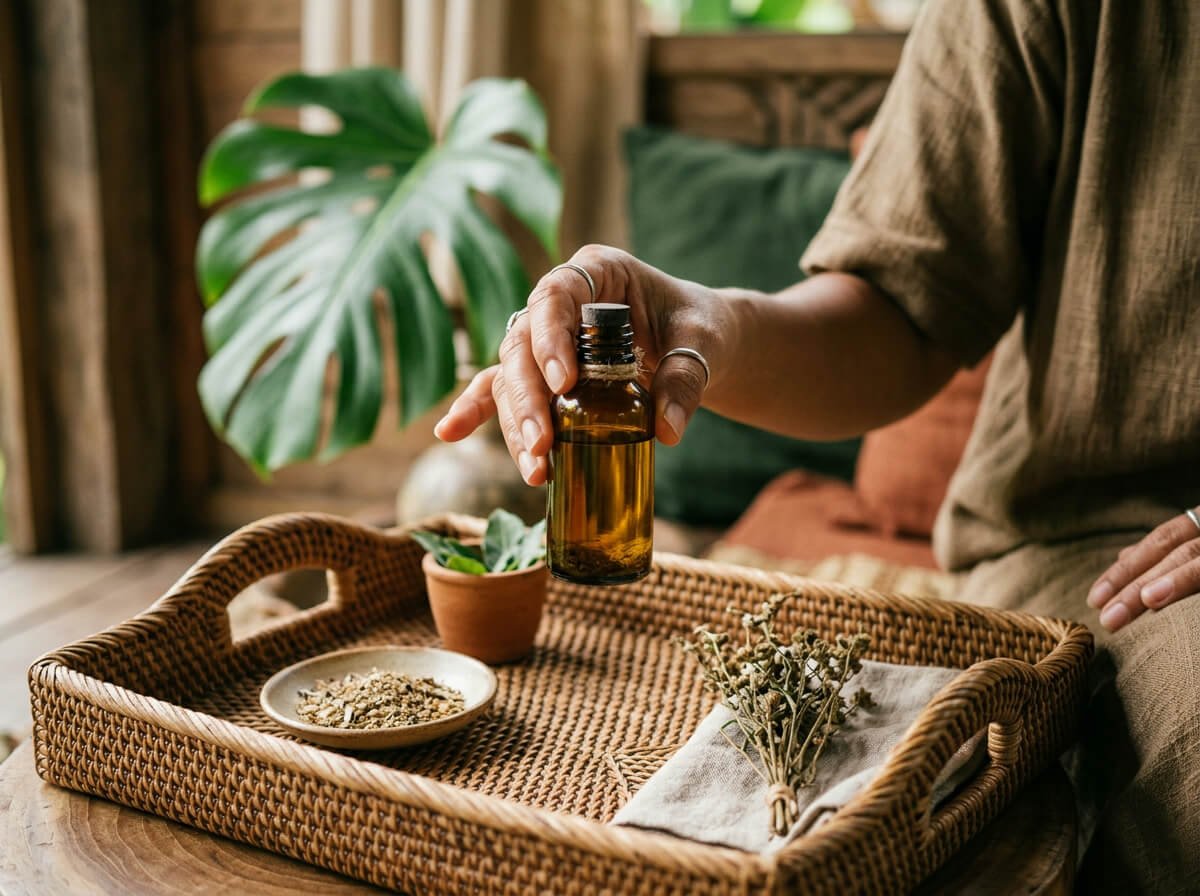
Balinese herbal tradition has long treated the underarm, like the rest of the body, as skin that deserves gentleness, not just function. Generations of local healers reached for the same calming botanicals now backed by modern research: coconut oil to soften and protect the skin barrier, aloe to cool irritation, and cedar and sage to support skin clarity without stripping it.
If your underarm skin feels tight, reddened, or reactive during the first week or two, a thin layer of coconut oil at night, or a few minutes with aloe vera gel after a shower, can rebuild comfort while the microbiome resettles. This is also where a probiotic formula earns its place. Our Probiotic Deodorant in Nayla, a softer floral profile, and the Sage + Cedar blend were both built to support the skin through exactly this window rather than fight against it.
This is where tradition and research meet rather than compete. Rooted practice, modern understanding, same result: calmer skin during a period of real, if temporary, change.
Sage in particular has a long history in Balinese ritual as a clarifying, grounding scent, used in smoke and in oil long before anyone framed it as a skincare ingredient. Cedar brings a similar quiet steadiness. Pairing both with live probiotic cultures is less a modern invention than a continuation of an older instinct: support the skin’s own balance rather than overpower it.
Making the switch stick: reapplication, refills, and a lower-waste ritual
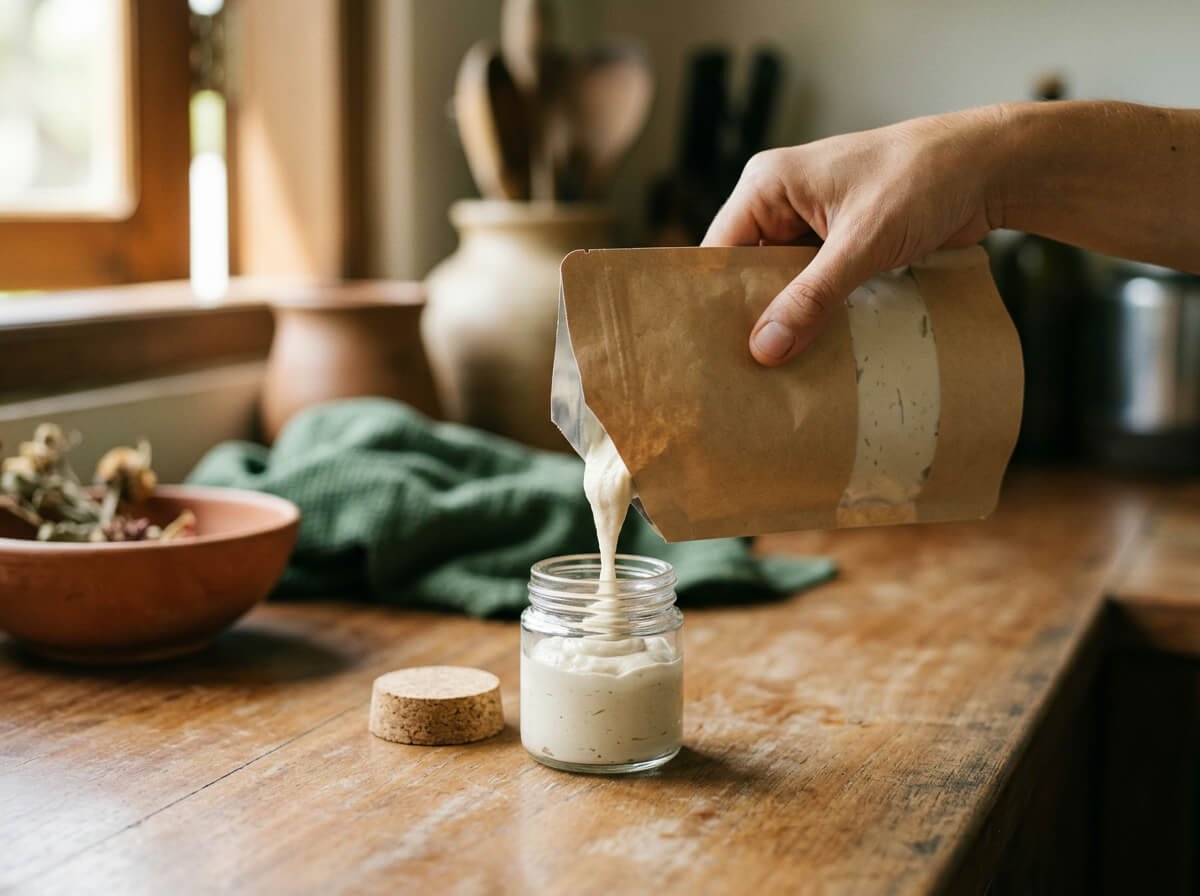
Once the transition window has passed, the switch tends to become a simple daily ritual rather than a project. A few habits make it durable:
- Apply to clean, fully dry skin, since natural formulas adhere and perform better without leftover moisture from a shower.
- Keep a travel-size formula on hand for the first few weeks, since midday reapplication is more common during the adjustment period than afterward.
- Choose a refillable format once you land on a formula you like, so the switch that is good for your skin is also good for what leaves your bathroom as waste.
- If you share a household, remember formulas are not one-size-fits-all. Our aluminum-free deodorant for men and aluminum-free deodorant for women guides cover how formulation needs can differ, and why that has little to do with gender and more to do with skin and activity level.
The honest version of this switch is not instant, and it is not dramatic. It is two to three weeks of your body doing ordinary, explainable work, followed by a routine that asks less of the planet than the one it replaced. Progress over perfection, one refill at a time.
Quick answers
Will I smell worse before I smell better? Possibly, for roughly one to two weeks, while your skin’s bacterial balance resettles. It is temporary and predictable, not a sign the switch failed.
Can I alternate between antiperspirant and natural deodorant? You can, but it tends to extend the adjustment period rather than shorten it, since the microbiome never gets a clear stretch to rebalance. A clean switch is usually easier in the end.
Do I need to do an armpit detox first? No. There is nothing to flush out. Go straight to your new deodorant and let the two to three week timeline run its course.
What if irritation does not settle after a few weeks? That is usually an ingredient issue, often baking soda, rather than a timeline issue. Switch to a baking-soda-free or probiotic formula and the irritation should ease well before the three-week mark.

Support the switch with a formula built for it
Probiotic Deodorant in Sage + Cedar works with your skin’s microbiome instead of against it, pairing live cultures with grounding Balinese botanicals for the days your skin needs the most patience.