How to prevent chafing naturally: friction, sweat, salt, and a calm barrier routine
Anyone who has walked a long, warm day in shorts knows the feeling. A little warmth between the thighs by mid-morning, a sting by lunch, and by evening a red, raw patch that makes every step a negotiation. Chafing is one of the most common skin complaints there is, and one of the least talked about. If you want to know how to prevent chafing naturally, the good news is that it is very preventable once you understand what is causing it, and the answer depends far more on your climate and your day than on any single product.
We live and work in Bali, where the air is warm and humid all year and a short walk to the market can leave clothes damp. Chafing is a daily reality here, not a summer surprise. In this guide we share what we have learned: what chafing actually is, why powder and balm are two opposite strategies (and why stacking them fails), a simple barrier routine that holds in the heat, a travel kit for long walking days, a gentle ritual for when it already hurts, and the signs that tell you it is no longer simple chafing. Thighs, underarms, the skin under the bust, the groin, and a runner’s nipples all chafe. These are body facts, not body problems, and they happen to every body shape.
What chafing actually is: friction, moisture, and salt
Chafing is skin damage caused by repeated rubbing. Skin rubs against skin, or skin rubs against fabric, thousands of times over a day. Each pass is tiny. Together they wear down the outermost layer of the skin, the stratum corneum, which is the protective barrier that keeps water in and irritants out. Once that layer thins, the skin underneath becomes red, hot, and tender. Push further and it can break, weep, or sting in the shower.
Friction is only part of the story. Moisture changes how skin behaves. Dry skin glides fairly easily. Skin that is slightly damp from sweat grips, so the same movement creates more drag. Skin that stays wet for hours softens and swells, a state called maceration, and softened skin tears more easily. This is why chafing tends to appear on hot days, during exercise, and in skin folds where sweat cannot evaporate.
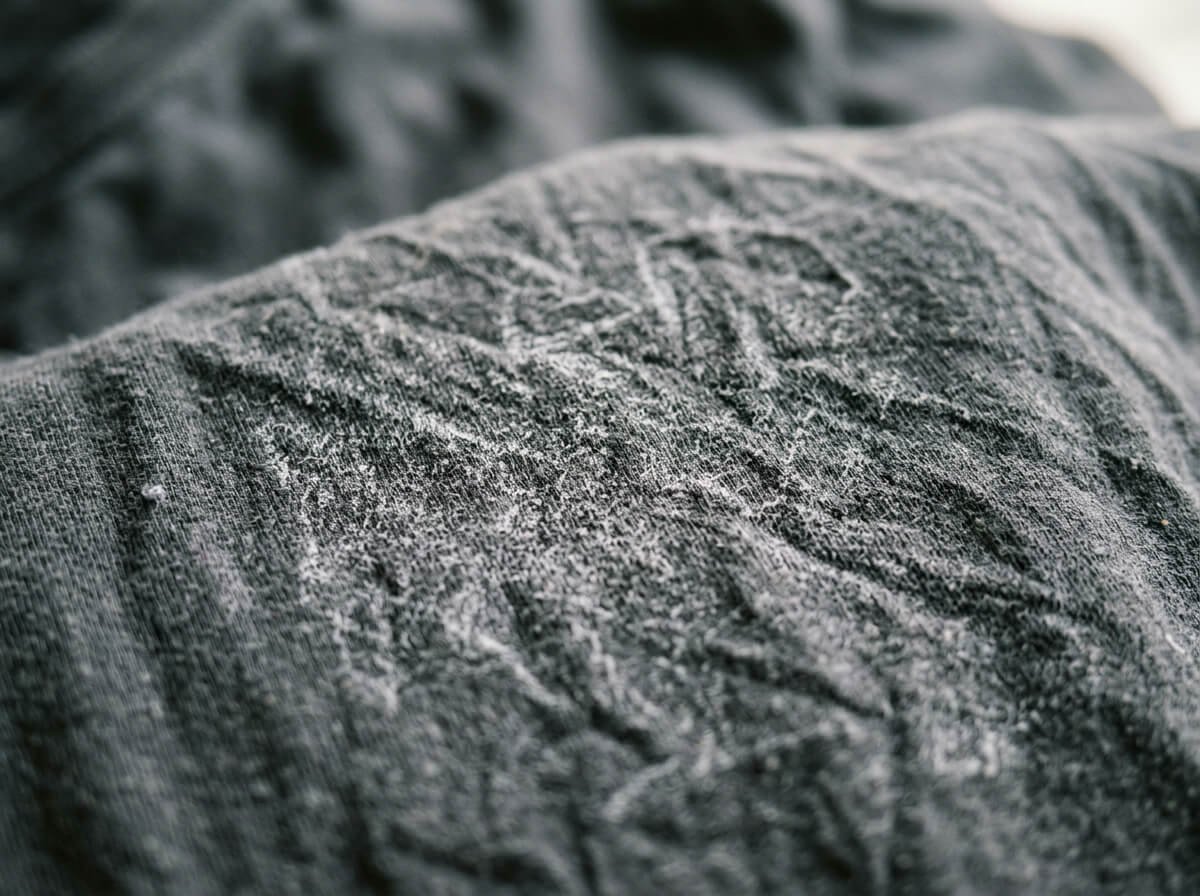
Then there is the part almost nobody mentions: salt. Sweat is mostly water, but it carries salt and other minerals. As sweat evaporates, those minerals stay behind on the skin and in the fabric. You have seen it on a dark shirt after a long walk, a faint white tide line. On the inner thigh or under the arm, that dried salt adds a fine, gritty texture to every pass of skin over skin. It is one reason chafing often gets suddenly worse in the second half of a long day, and one reason a simple mid-day rinse can make such a difference.
So chafing is really three forces working together:
- Friction: the movement itself, shaped by your body, your stride, and your clothing.
- Moisture: sweat and humidity that make skin grip and soften.
- Salt: the dried residue that turns smooth contact into something closer to fine sandpaper.
Understanding which of the three is winning on a given day is the key to choosing the right response. On a dry, cool day, friction alone may be the issue. On a humid day in the tropics, moisture and salt usually lead. A routine that ignores this tends to fail, which is why so much generic advice leaves people frustrated.
Powder or balm? How to prevent chafing naturally in your climate
Most advice about how to prevent chafing naturally mixes two opposite strategies without explaining the difference. One strategy keeps the skin dry so it does not grip. The other adds a slippery layer so skin glides even when it is damp. Both can work. They work in different conditions, and used together they tend to cancel each other out.
The absorbing strategy: powder
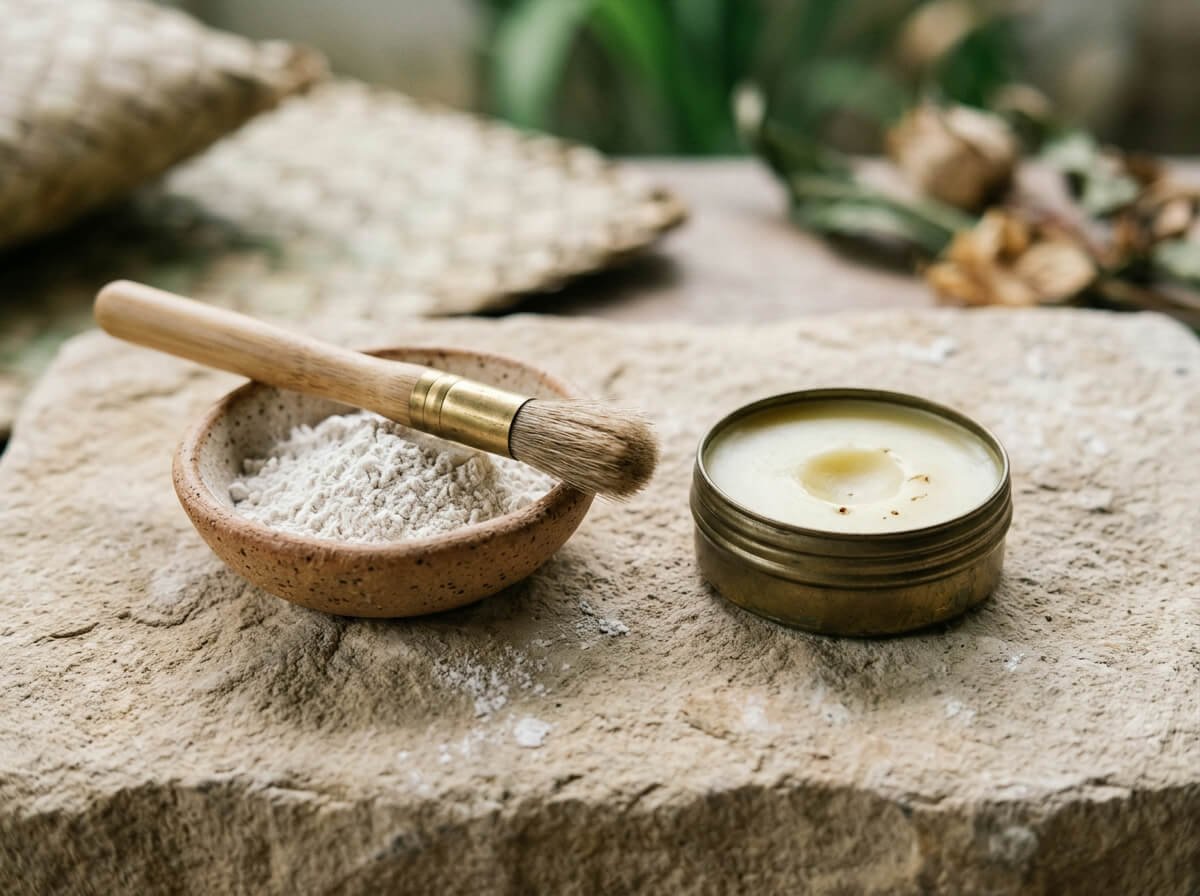
Powder works by soaking up sweat and reducing moisture at the surface, which reduces grip. It suits dry heat, short outings, and people who sweat lightly. In a cool, dry climate a light dusting on the inner thighs can be enough for a whole day.
Its weakness is humidity. In warm, wet air, powder absorbs moisture until it is saturated, then clumps. Clumped powder turns into a paste that can actually add friction. In Bali, we see this happen within an hour on a humid afternoon. If you live somewhere tropical, or you are travelling to one, powder is rarely enough on its own.
A word on what the powder is made of. Talc has been the classic body powder for generations. The concern with talc is possible contamination with asbestos, because the two minerals can form close together in the ground. In the United States, a 2022 law requires the FDA to set standard asbestos testing methods for talc-containing cosmetics. The FDA proposed a rule in late 2024, then withdrew it in November 2025 and said it would issue a new proposal. We prefer to sidestep the question entirely. Plant starches such as arrowroot, tapioca, or cornstarch absorb moisture well and carry no mineral concern.
There is one caveat. Some clinicians advise against cornstarch in deep skin folds that already show signs of a yeast infection, on the idea that starch could feed yeast. The evidence is thin, and an older clinical study found cornstarch did not increase yeast growth on skin. Still, if a fold is already red, moist, and itchy, it is wise to skip powder and see the section on when chafing is not just chafing.
The glide strategy: balm
A balm works the other way. Instead of trying to keep skin dry, it lays down a thin, water-resistant film so skin slides over skin even when it is damp. It suits humid heat, long days, exercise, and anyone who sweats freely. The film does not absorb sweat, so it does not clump. It also keeps some of the salt off the skin surface.
The classic glide product is petroleum jelly, and to be honest, it works. It is a very effective barrier. Many people prefer a plant-based alternative, and a well-made balm of beeswax and plant oils offers a similar glide. Beeswax creates a flexible film that holds its place, while plant oils such as coconut oil soften the skin and partly absorb, so a balm feels less greasy and may need reapplying a little sooner. If you are curious how balms differ from butters and lotions, our guide to body balm vs body butter walks through the textures.
Why stacking both fails
Here is where many routines go wrong. People apply balm, then dust powder on top for extra protection. The powder sticks to the balm and forms a paste. The paste dries, crumbles, and rubs. The result is often worse than either strategy alone.
Our simple rule: choose one strategy per area per day. Dry heat and light sweat, choose powder. Humid heat, heavy sweat, or a long day, choose balm. If in doubt, in the tropics, choose balm.
A natural barrier routine that holds up in the heat
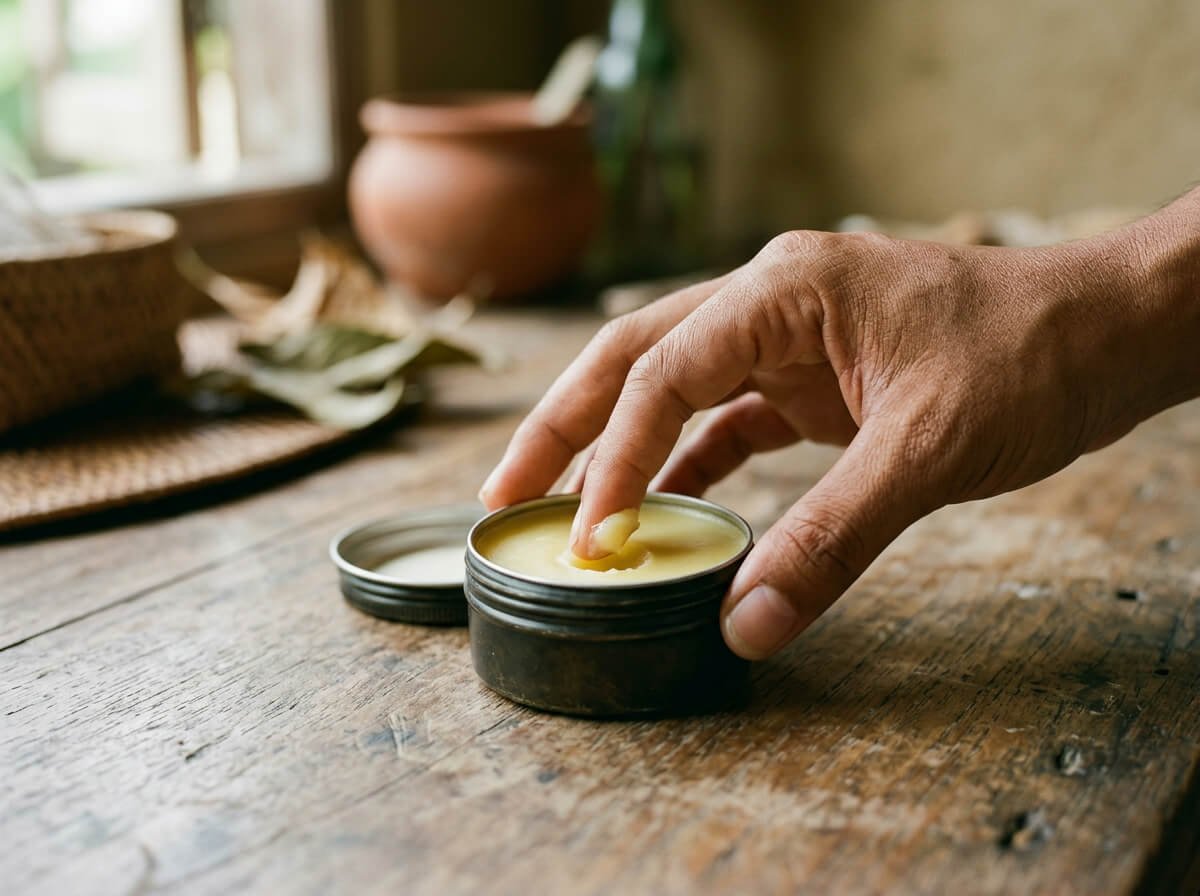
This is the routine we rely on for the inner thighs, under the bust, and the underarm crease on warm days. It takes about a minute and asks for very little product.
Step one: start with clean, dry skin
Apply your barrier to skin that is clean and completely dry. Balm over sweat or leftover salt traps the grit under the film. After a morning shower, pat the area dry and give it a minute in the air before you dress.
Step two: a thin layer, not a thick one
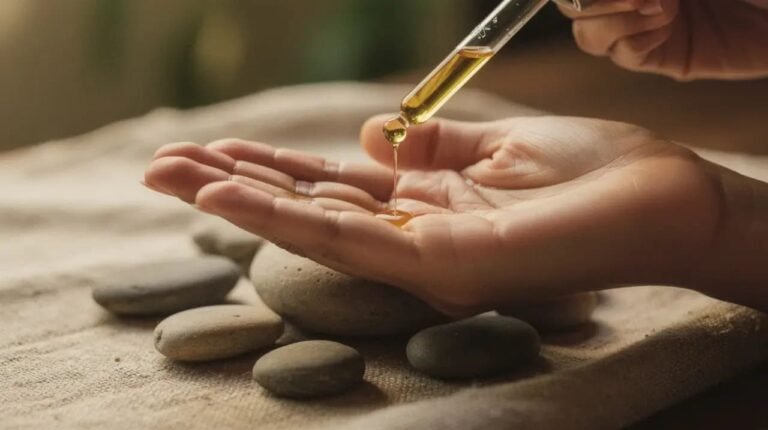
A pea-sized amount warmed between the fingertips covers both inner thighs. You want a sheer film that you can barely see, not a visible coating. Too much product transfers to clothing and can feel heavy. Too little wears through by mid-day. Smooth it over the whole contact zone, a little wider than where you usually feel the rub.
Our Fresh Soul Body Balm is a simple blend of virgin coconut oil and beeswax with a light botanical scent from vetiver, fennel, nutmeg, and mint essential oils. Rubbed between the fingers it melts quickly, then sets into a soft, flexible film that holds well in our humid climate. Because it contains essential oils, we use it on intact skin for prevention only, never on skin that is already raw or broken, and never on the most delicate mucous-membrane areas. Patch test on the inner arm first if your skin is reactive. For a fragrance-free option, a small amount of plain Virgin Coconut Oil gives a lighter, shorter-lasting glide, and our guide to coconut oil for skin explains how it behaves on the body.
Step three: reapply at the halfway mark
No barrier lasts all day in real heat. Sweat, movement, and fabric slowly wear the film away. On a long, warm day, reapply around the halfway point, ideally after a quick rinse (see the travel section below). Clean skin plus a fresh thin layer resets the clock.
Step four: think about what you are wearing
Clothing is the other half of the barrier. A few principles help:
- Cover the contact zone. Light shorts or slip shorts under a dress or skirt stop thigh skin rubbing thigh skin entirely. This is often the single most effective change.
- Choose fabrics for the day. Cotton and linen are breathable and comfortable, but cotton holds sweat once it is wet. For long, sweaty days or exercise, a smooth wicking fabric dries faster and stays slicker against the skin.
- Watch the seams. Thick seams, lace edges, and tags in the wrong place act like a file. Flat seams and smooth edges matter more than people expect.
- Change out of wet clothes. A damp swimsuit or sweaty gym kit worn for hours is a common cause of chafing in the groin and under the bust.
Underarm chafing has one more element: deodorant. Some formulas, especially those with high baking soda or alcohol, can irritate skin that is already being rubbed. If your underarms sting, our guide to natural deodorant for sensitive skin explains what to look for. Apply deodorant to the dome of the underarm and the balm to the crease where the arm meets the body, rather than layering both in the same place.
Travel, long walking days, and humid holidays
Chafing loves a holiday. New climates, long walking days, humidity, and more time in swimwear all line up at once. Many visitors to Bali meet chafing for the first time on day two of a trip. After swimming, rinse off salt water, chlorine, and sand before you walk far. Beyond that, a small kit and one habit solve most of it.

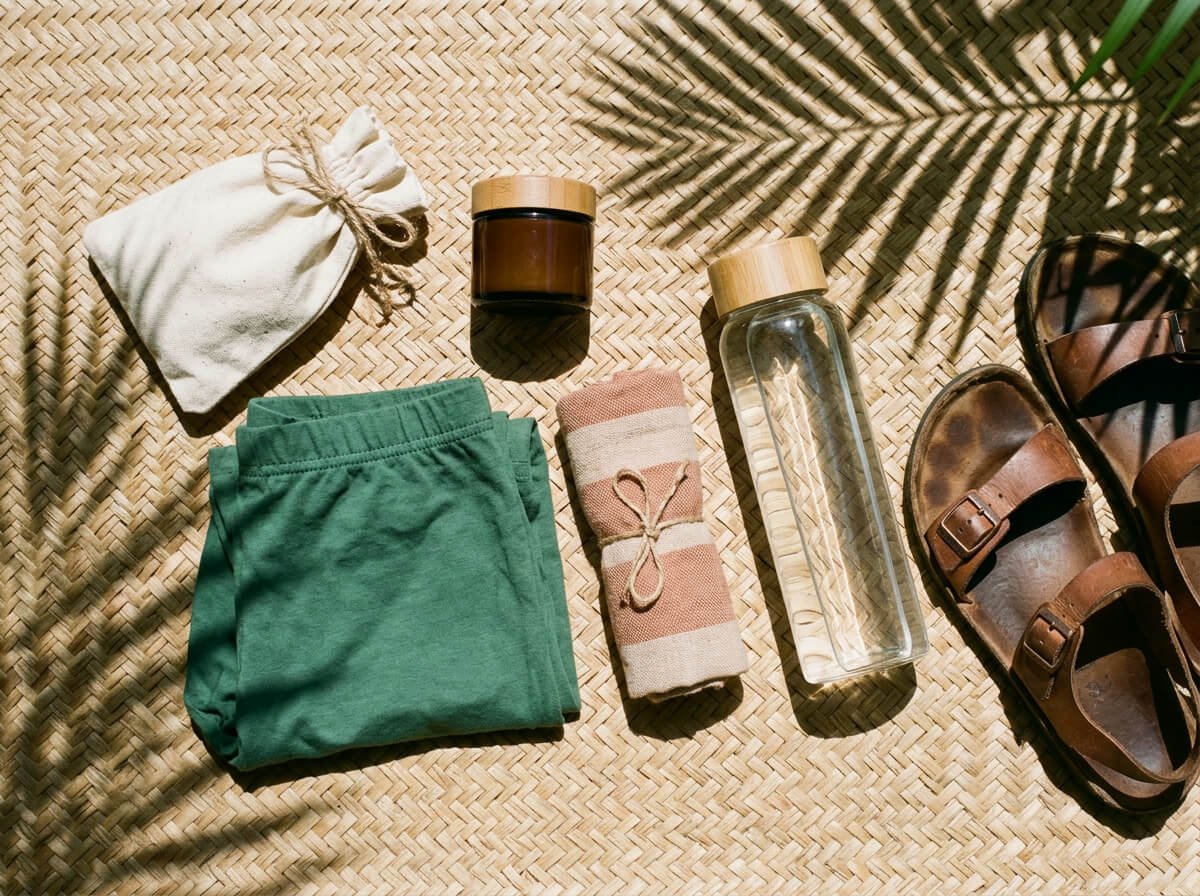
A pocket kit for warm days
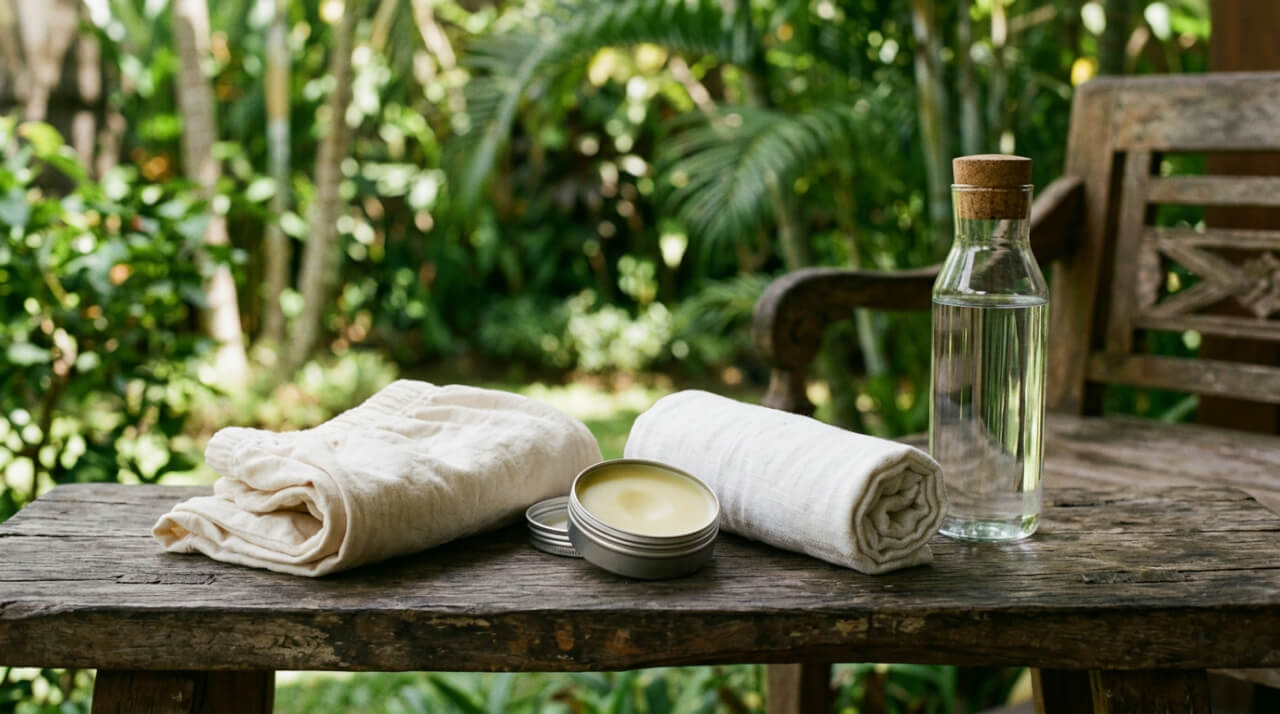
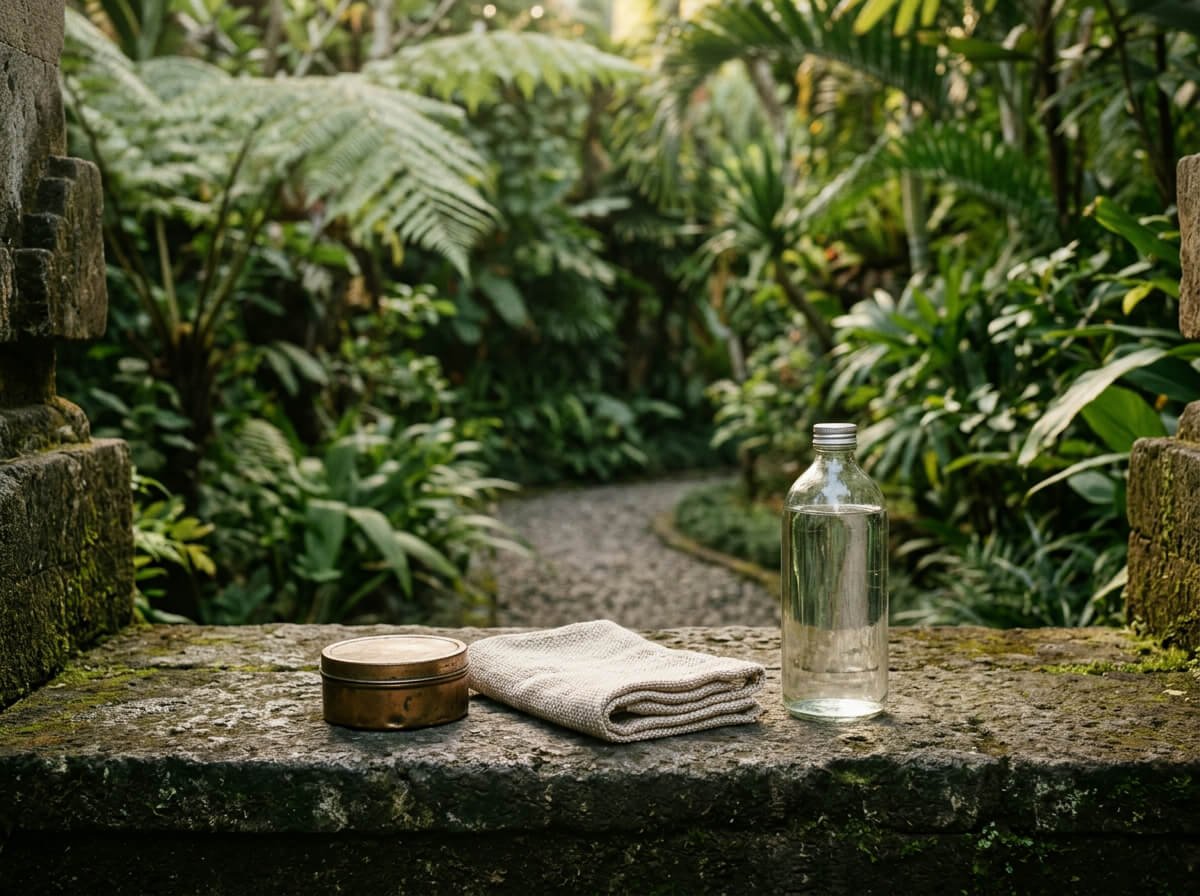
We keep this kit in a day bag:
- A small tin of balm for reapplying the barrier mid-day.
- A soft cloth that can be wet at any tap or with a splash of drinking water.
- A change of light shorts or slip shorts for days that involve walking in a dress or skirt.
- A bottle of water, both for drinking and for rinsing.
Refillable tins and small containers make this easy to carry without single-use sachets. Our travel skincare routine has more ideas for packing light and refilling on the road.
The mid-day rinse
This is the habit that makes the biggest difference in humid weather. Around the middle of the day, find a bathroom, wet the cloth, and gently wipe the inner thighs or any other hot spot. The goal is to lift away dried salt and sweat, not to scrub. Pat dry with the dry end of the cloth or a tissue, wait a moment, then apply a fresh thin layer of balm. It takes two minutes and often turns a painful afternoon into a comfortable one.
Running, hiking, and cycling
Runners often chafe at the nipples, underarms, and inner thighs; cyclists at the saddle contact zone. The same principles apply: clean dry skin, a thin barrier before you start, smooth technical clothing, and reapplying halfway through longer sessions. For nipples and the saddle area, choose a balm without essential oils.
Humid air also changes how your skin feels in general. If you are curious about why tropical climates change skin, our short read on humidity and skin explains the basics.

A thin barrier for warm, humid days
Fresh Soul Body Balm is virgin coconut oil and beeswax, lightly scented with vetiver, fennel, nutmeg, and mint. A pea-sized amount melts into a soft, flexible film that holds in our Bali humidity. Made for intact skin, as a daily ritual of prevention.
When it already hurts: a gentle after-chafe ritual
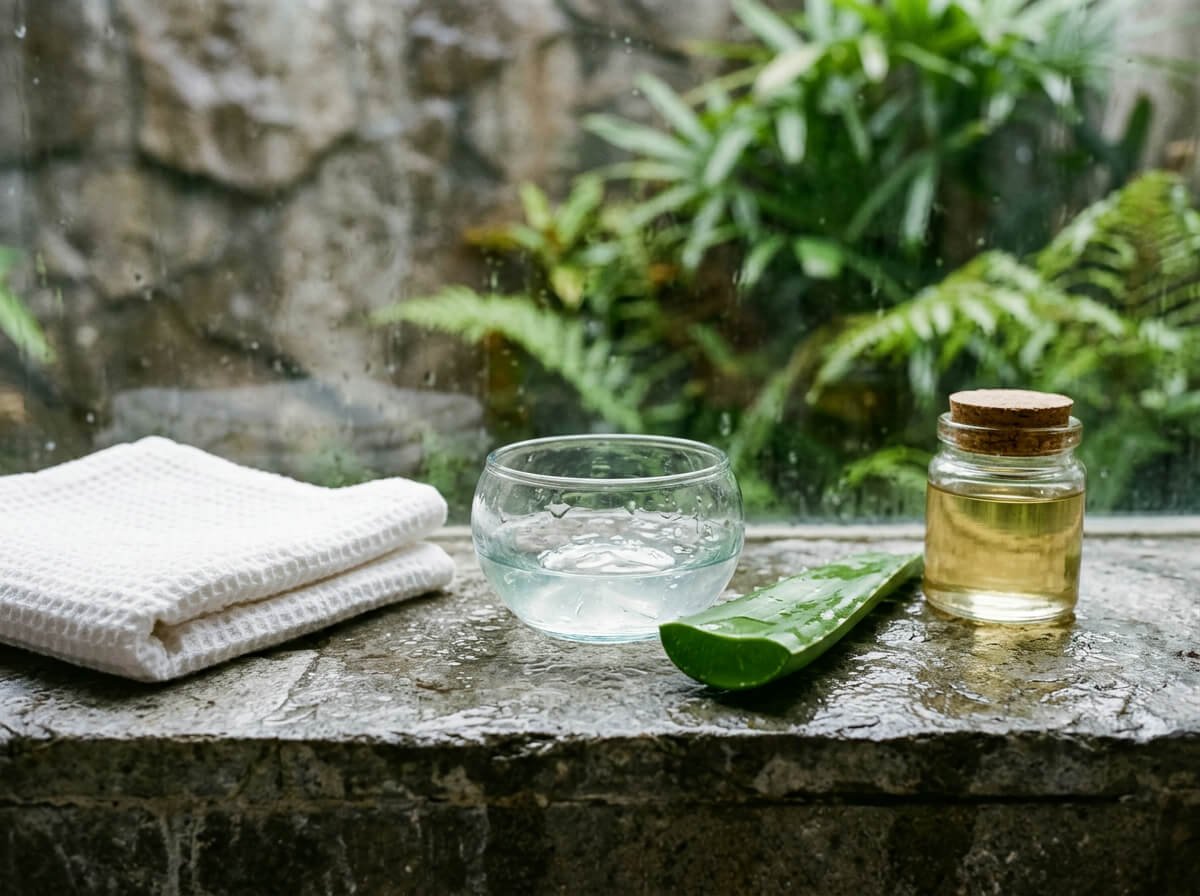
Sometimes prevention comes too late. You get home after a long day and the skin is red, hot, and stinging. The aim now is simple: stop the friction, cool the skin, keep it clean, and protect it while it repairs. Chafed skin is a damaged barrier, so this is a time for less, not more.
Step one: stop the rubbing
Change into loose, soft clothing or nothing at all. Give the area air. The skin cannot start to repair while it is still being rubbed.
Step two: a cool, gentle rinse
Rinse with cool or lukewarm water. Hot water feels harsh on chafed skin and can increase redness. Use a mild, fragrance-free cleanser only if the area is sweaty or dirty, and skip scrubbing entirely.
Step three: pat dry, then cool
Pat, do not rub. Then let the skin rest. Fresh aloe from a leaf, or a plain aloe gel with no added fragrance or alcohol, can feel cooling on red, intact skin. Our guide to aloe vera gel for skin covers how to choose one. A note on our own product: our Aloe Vera Gel contains a little lavender essential oil and grain alcohol, so we keep it for warm, intact skin, such as after sun, and not for raw or broken patches. Our natural after-sun care guide follows the same calm, cooling logic.
Step four: a thin protective layer overnight
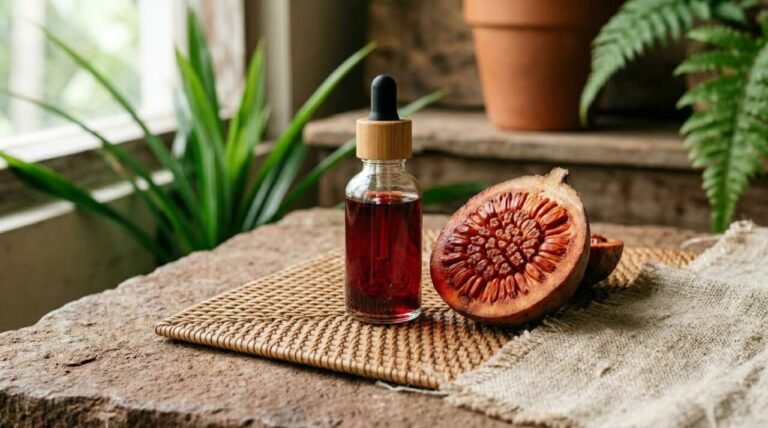
Once the skin is no longer weeping, a very thin layer of something simple helps protect it while it repairs. Plain virgin coconut oil or a single-ingredient oil such as Tamanu Oil can soften and protect the area. Tamanu, pressed from the nut of a coastal tree long used across Southeast Asia and the Pacific, is fragrance-free and single-ingredient, which makes it a gentle choice. Petroleum jelly is also a good, simple protector at this stage. Our guide on how to repair your skin barrier explains why a protective layer helps the skin rebuild.
What not to put on chafed skin
- Essential oils, neat or in blends. On broken skin they sting and can sensitize. Even well-diluted blends belong on intact skin only. Our guide on how to dilute essential oils covers safe use for healthy skin.
- Fragranced lotions and perfumed products. Fragrance is a common irritant on a damaged barrier.
- Deodorant or antiperspirant on chafed underarm skin. Give the area a day or two without.
- Alcohol-based products such as many toners and hand sanitizers. They sting and dry.
- Powder on raw skin. It can stick to a weeping area and rub.
Mild chafing usually settles within a few days once the friction stops. Keep the area clean, dry, and protected, and avoid the activity that caused it until the skin has calmed. If it is not improving after several days, or it is getting worse, read the next section.
When chafing is not just chafing

Most chafing is a simple friction injury that heals on its own. But skin folds that stay warm, damp, and rubbed can develop a condition called intertrigo, an inflammation of the skin fold that can then pick up an infection, most often from yeast (Candida) or bacteria. It is common and treatable, but it needs different care, and natural home routines are not enough.
Signs that it may be more than chafing include:
- Redness that keeps spreading beyond the area that was rubbed.
- Small red spots or bumps just outside the main patch, sometimes called satellite spots, which can be a sign of yeast.
- A strong or unusual odor from the area.
- Weeping, oozing, yellow crusting, or pus.
- Intense itching, especially in a moist fold.
- Pain, warmth, or swelling that increases rather than settles.
- Fever or feeling unwell.
- No improvement after a week of gentle care.
If you notice any of these, please see a doctor, pharmacist, or dermatologist. Yeast and bacterial infections need targeted treatment such as an antifungal or antibiotic, and putting oils or balms over an infection can trap moisture and slow healing. Some people are more prone to intertrigo and slower healing, including people living with diabetes, people with a weakened immune system, and anyone who spends long hours in heat and humidity. If that is you, check folds regularly and seek advice early.
It also helps to keep the difference between chafing and heat rash in mind. Heat rash appears as tiny bumps from blocked sweat ducts, often in the same warm places. Our guide to heat rash home remedy explains how to tell them apart. If dry, cracking skin is the issue rather than rubbing, our cracked heels home remedy guide may be closer to what you need.
Frequently asked questions about chafing
Can coconut oil prevent chafing?
Yes, for light to moderate friction. Virgin coconut oil gives a smooth glide and softens skin. On its own it absorbs fairly quickly, so it wears off sooner than a balm with beeswax. For long or very sweaty days, a beeswax and coconut oil balm holds longer. Plain coconut oil is also a gentle choice for skin that has already chafed and is no longer weeping.
Is Vaseline better than a natural balm for chafing?
Petroleum jelly is a very effective, inexpensive barrier, and there is no shame in using it. A balm made from beeswax and plant oils offers a similar glide with a different feel: less greasy, partly absorbed, and with oils that soften the skin. It may need reapplying a little more often. Choose the texture you will actually use.
How long does chafing take to heal?
Mild chafing often settles in two to three days once the rubbing stops. Deeper chafing that has broken the skin can take a week or more. If it is spreading, oozing, or not improving after a week, see a clinician.
How can I stop my thighs from chafing in a dress or skirt?
Light slip shorts or bike shorts are the most reliable answer, because they stop skin touching skin entirely. If you prefer not to wear them, a thin layer of balm on clean, dry inner thighs, reapplied at mid-day after a quick rinse, works well for most people in humid weather.
Does deodorant help with thigh chafing?
Antiperspirant reduces sweating, and some people use it on inner thighs for that reason. It does nothing for friction, though, and many formulas sting on irritated skin. A barrier balm or slip shorts tend to work better, and deodorant should never go on skin that is already chafed.
Is it safe to use a balm with essential oils on chafed skin?
We advise against it. Essential oils are lovely on intact skin, but on raw or broken skin they can sting and sensitize. Use scented balms for prevention on healthy skin, and keep healing skin to plain, simple, fragrance-free care.
A calm way forward
Chafing feels small until it is happening to you. Then it shapes the whole day. The calm approach is to treat it as three forces, friction, moisture, and salt, and to answer the one that is winning. Choose powder for dry heat and balm for humid heat, never both. Start with clean, dry skin. Apply a thin layer, not a thick one. Rinse away the salt at mid-day and reapply. Dress for the day with smooth seams and covered contact zones. When it hurts, stop the rubbing, cool the skin, keep it simple, and protect it while it heals. And if the signs change, ask for help.
None of this needs a cabinet full of products. A tin of balm, a soft cloth, a bottle of water, and a little attention will carry most of us through the warmest days. That is how we live with the heat here in Bali, and it is a small ritual of care that travels well anywhere.